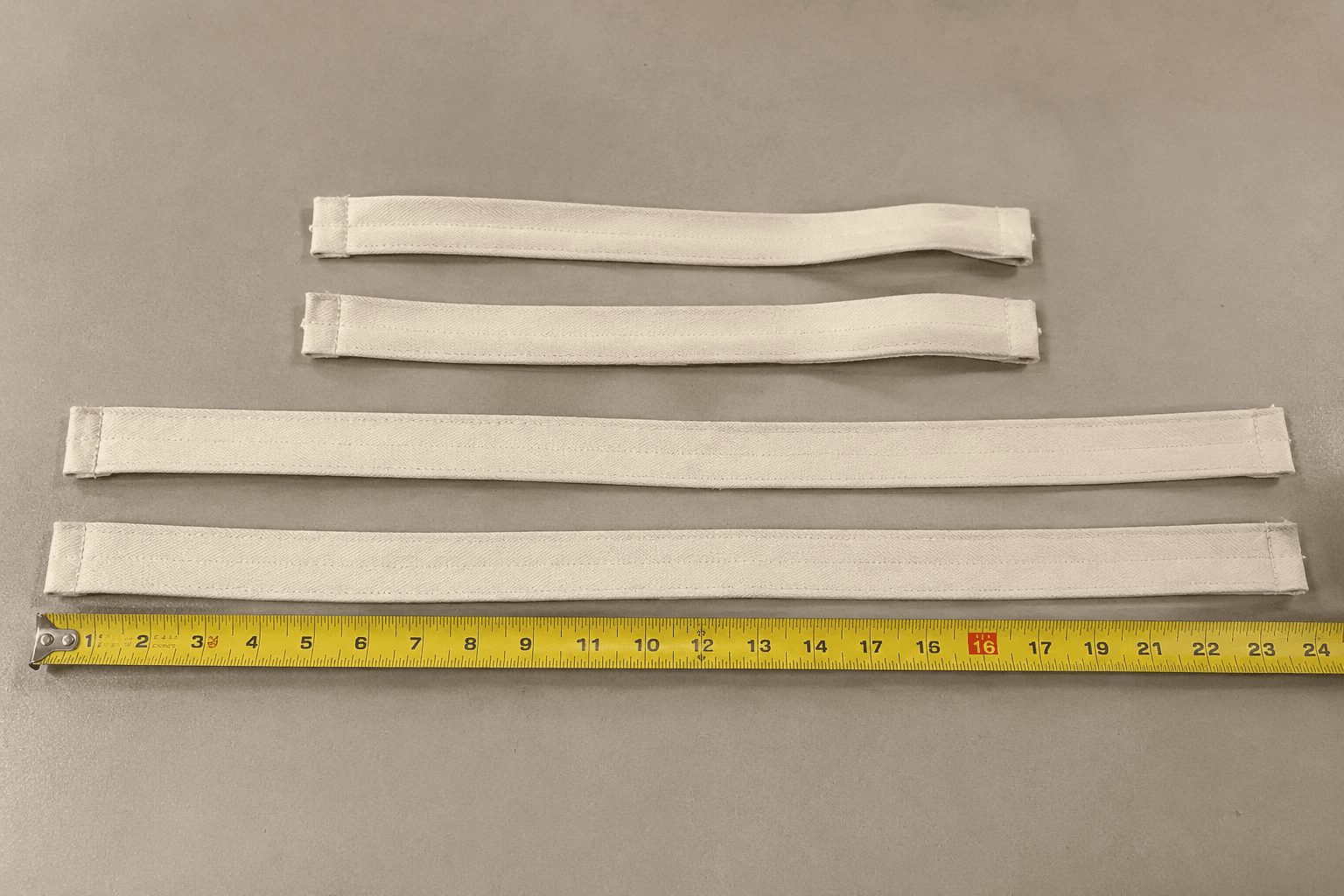
Formaldehyde-free claims on aprons: resin finishes, test limits and supplier declarations
Formaldehyde free aprons are a sourcing claim that must be tied to a test method, mg/kg limit and component scope. Before dyeing or cutting, buyers should define ISO 14184-1, AATCC 112 or equivalent testing, whether the claim covers the finished apron, and how MOQ, lead time, AQL release and supplier declarations will be handled.
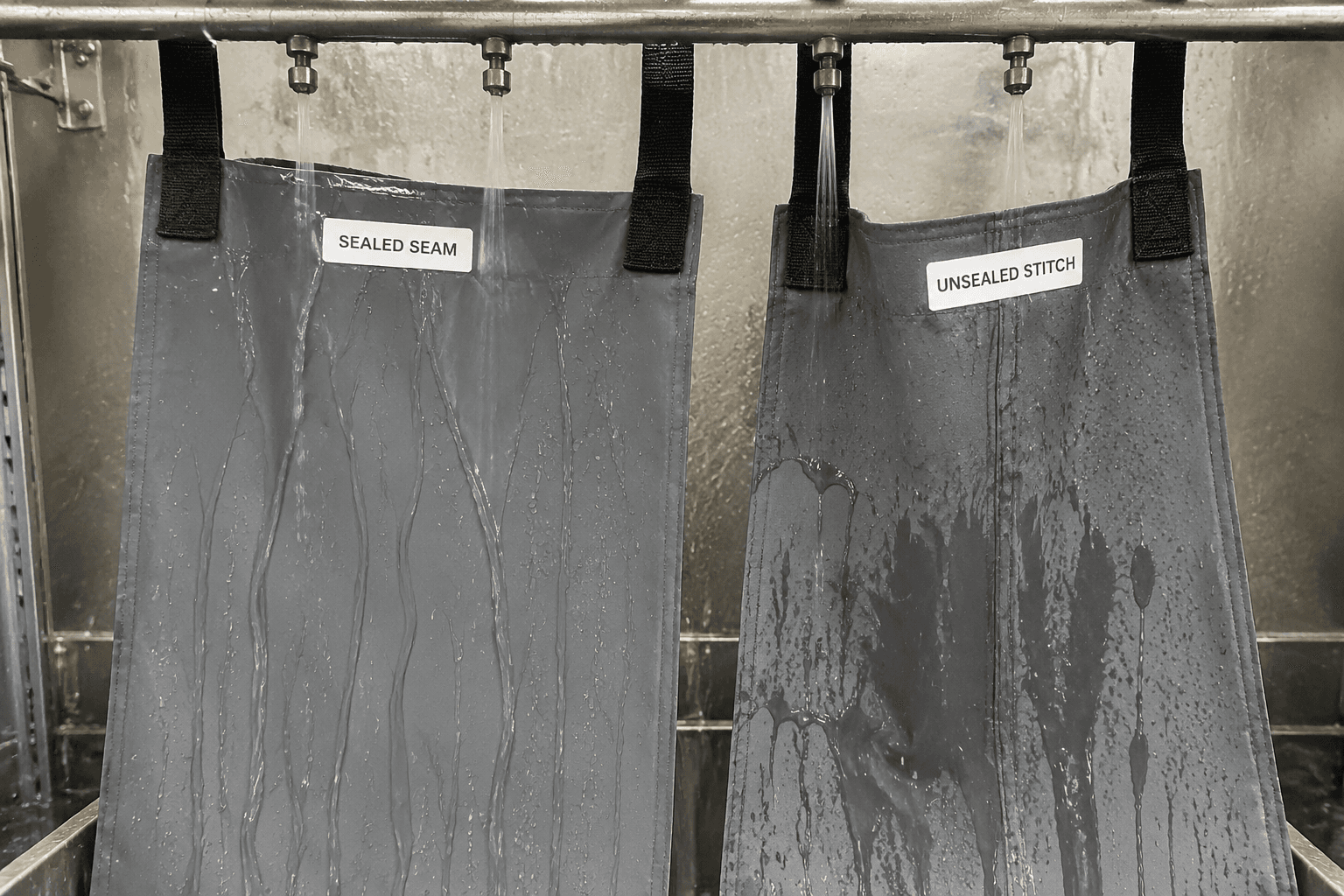
Needle-hole leakage in waterproof aprons: where stitched seams fail and how factories seal them
Waterproof apron seam leakage usually starts at needle holes around straps, pocket corners, hems, side seams, labels, and reinforcement stitches, not in the coated fabric panel. For B2B buyers, reliable sourcing depends on specifying fabric weight, needle size, stitch length, seam tape width, sealing temperature, finished-apron testing, MOQ, lead time, unit cost, and AQL acceptance before bulk production starts.
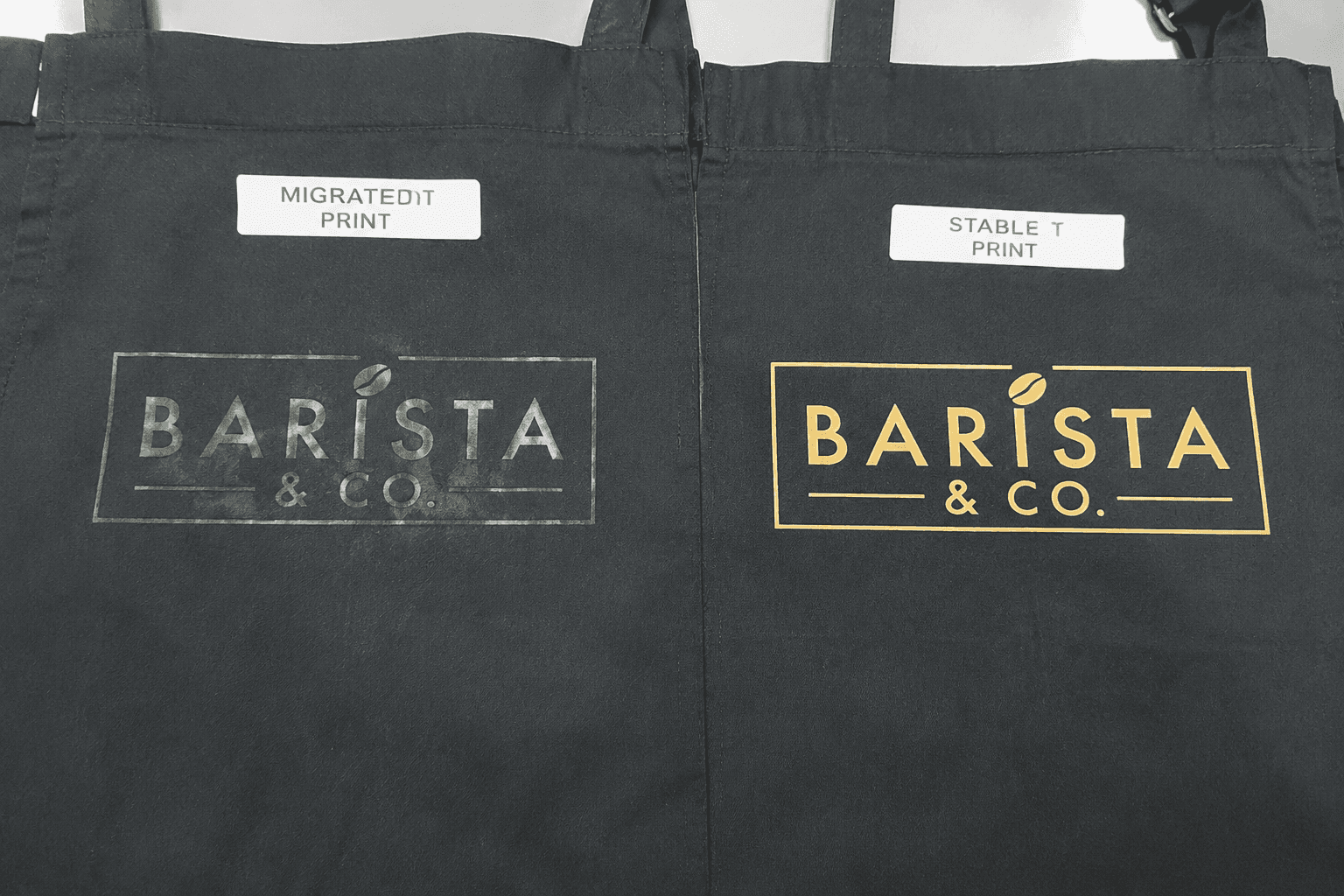
Migration testing for printed logos on aprons: preventing adhesive bleed and ghost marks after heat
Apron logo migration testing verifies that white, cream, pale grey, metallic, reflective, and silicone logos stay clean on the approved apron fabric after pressing, cooling, 24-72 hours of rest, warm carton storage, fold pressure, rubbing, and wash checks. For B2B buyers ordering 500-10,000 custom aprons, this test prevents dye shadowing, adhesive bleed, carrier-sheet ghost marks, tacky edges, and logo lift before the factory cuts and decorates bulk fabric.
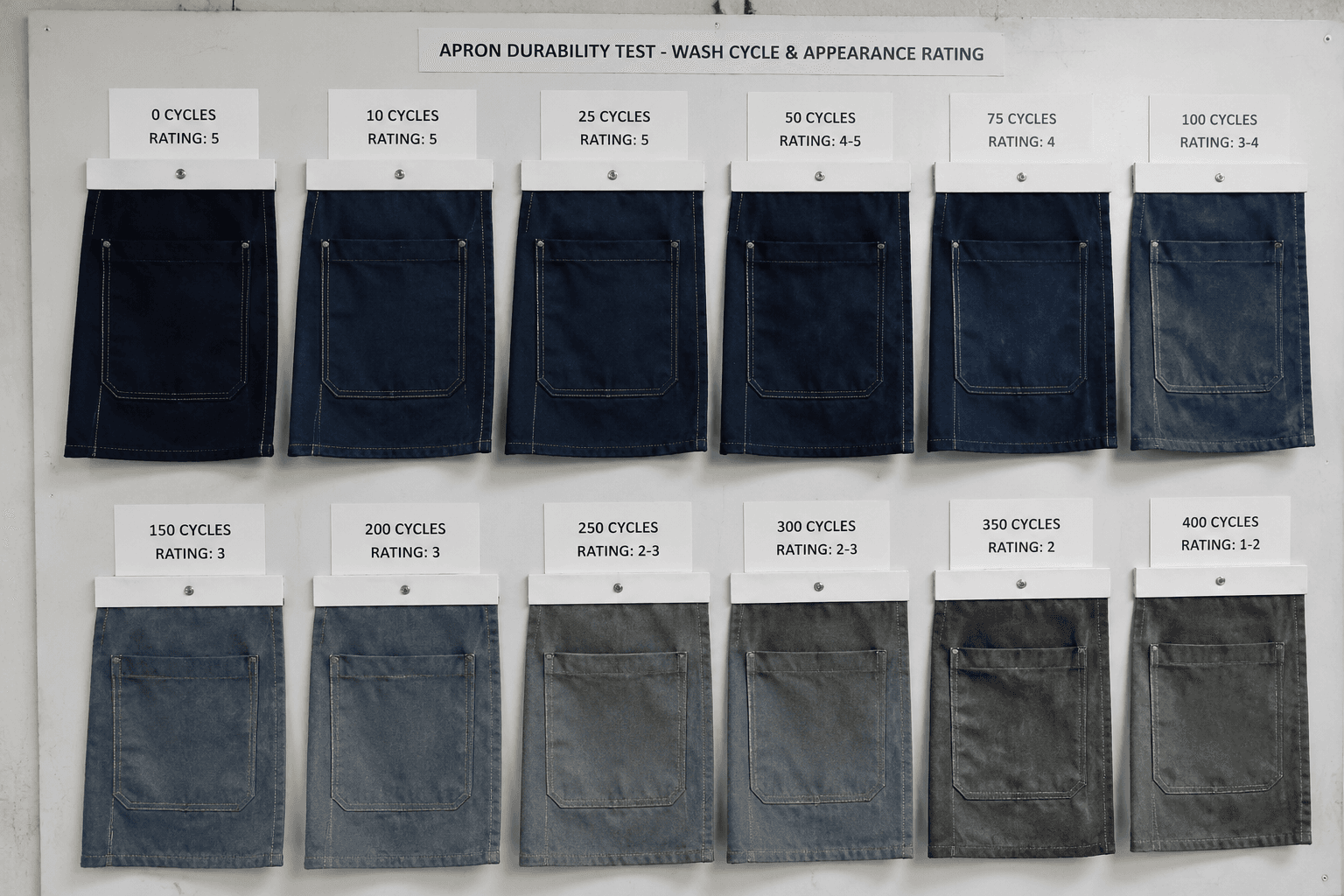
How many wash cycles should an apron spec promise: setting realistic pass-fail standards by use case
A credible <em>apron wash cycle specification</em> links the promised wash count to a defined laundry method, measurable pass-fail limits, and the apron’s real service environment. For B2B buyers sourcing custom aprons, that means specifying temperature, chemistry, drying, shrinkage, color change, seam strength, pocket integrity, and trim function before price approval, not after claims appear in the field.
EU textile EPR and packaging rules for apron importers: what data buyers should collect
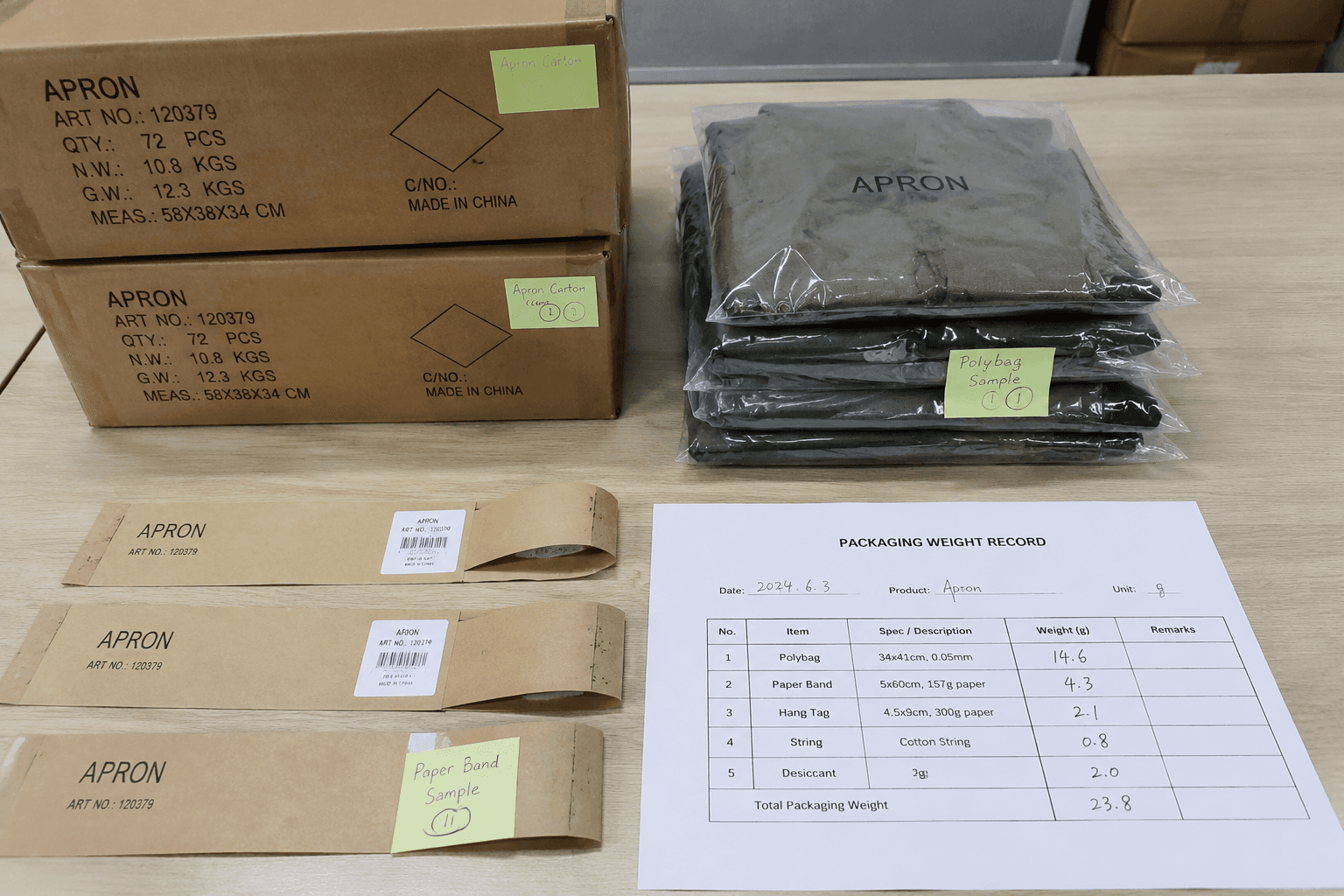
EU textile EPR and packaging rules now require apron importers to manage product and packaging data at SKU level. For <em>textile epr aprons</em>, buyers should collect verified net apron weight, fiber split, trim materials, packaging weights, carton details, data source and revision dates before vessel booking, because late estimates from suppliers are rarely accurate enough for EU reporting or internal cost control.
EU GPSR readiness for retail aprons: traceability, responsible person and product files
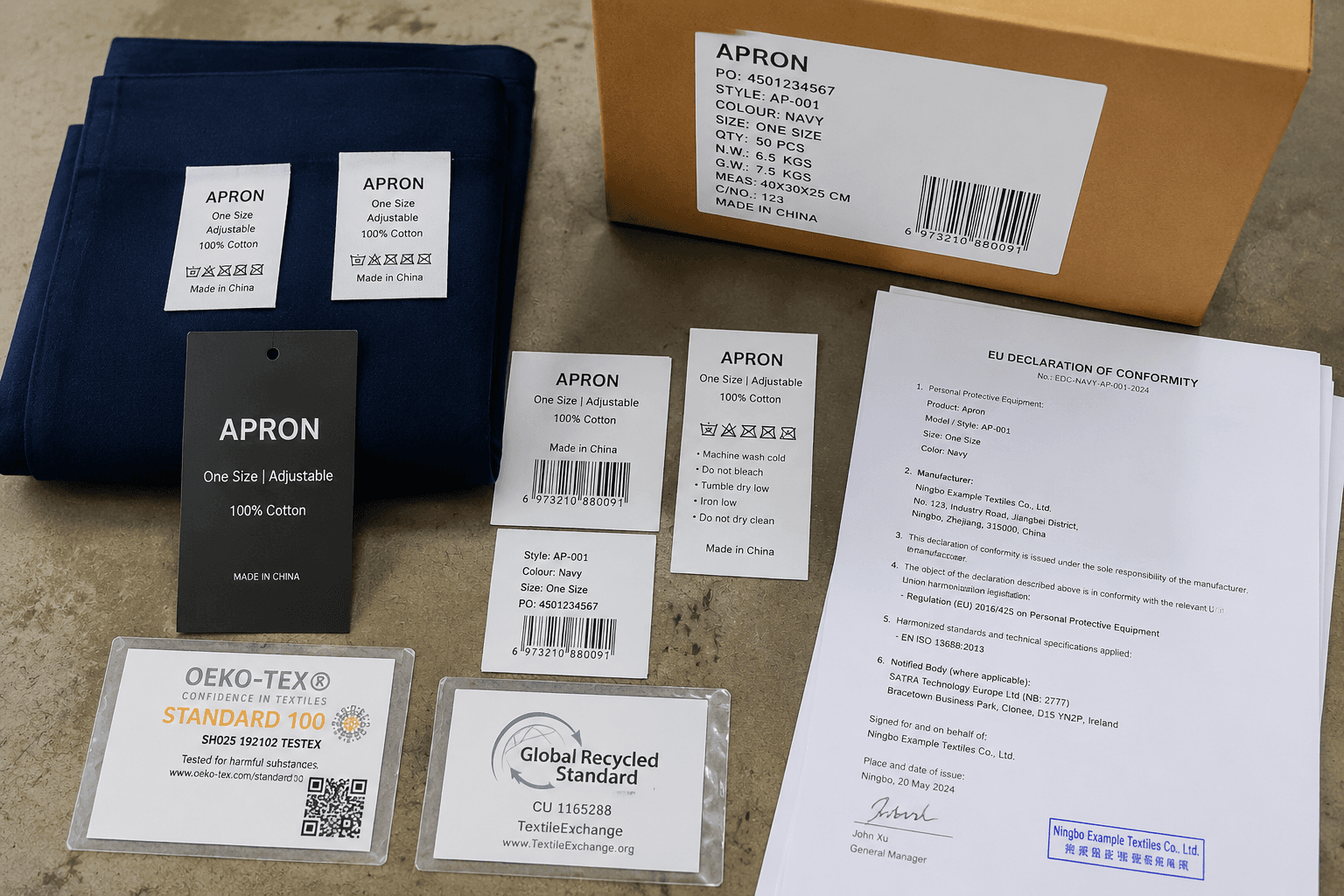
<strong>gpsr aprons</strong> for EU retail need more than a corrected care label. Before shipment, each private-label style should have a named EU responsible person, a SKU-level product safety file, and lot traceability linking fabric weight, BOM version, trims, decoration, packaging, AQL inspection, carton range, and shipment history.
Anti-static aprons for electronics assembly: fabric, grounding details and ESD documentation
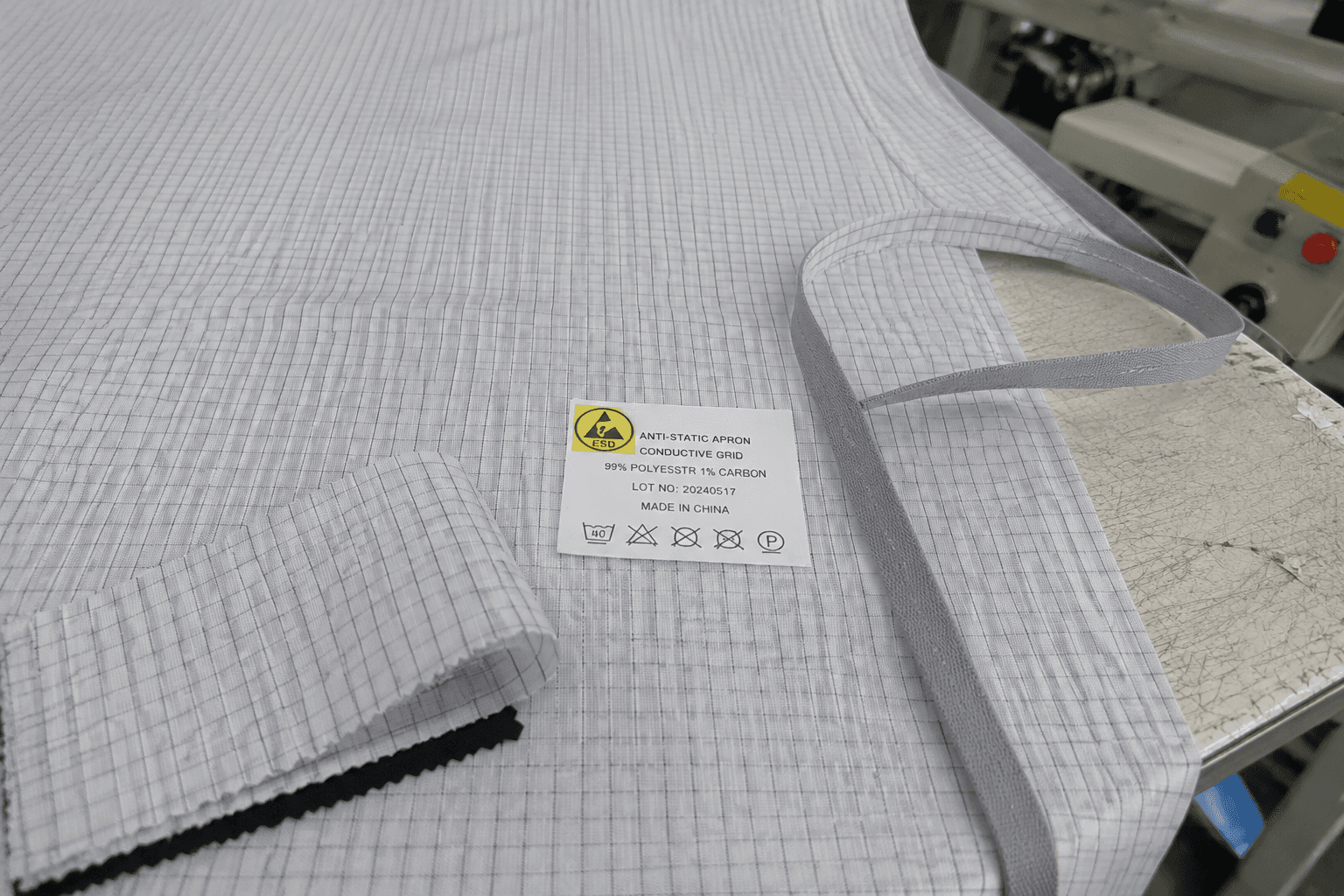
<strong>Anti static aprons</strong> for electronics assembly should be purchased as measurable ESD workwear, not as ordinary uniforms with a black grid print. A usable OEM specification needs fabric GSM, conductive yarn spacing, resistance target, wash-cycle durability, grounding hardware, AQL rules and batch-level ESD records before price comparison.
Nickel-free hardware claims for aprons: declarations, test methods and procurement wording
<strong>Nickel free apron hardware</strong> only means something when the apron PO, trim sheet, supplier declaration, and test report all identify the same buckle, slider, snap, hook, eyelet, or D-ring by part code, size, finish, and lot. For professional B2B buyers, the workable standard is component-level control: finish-specific declarations, nickel release testing on exposed trims where the market or customer requires it, and procurement wording that prevents unapproved hardware substitution during bulk production.
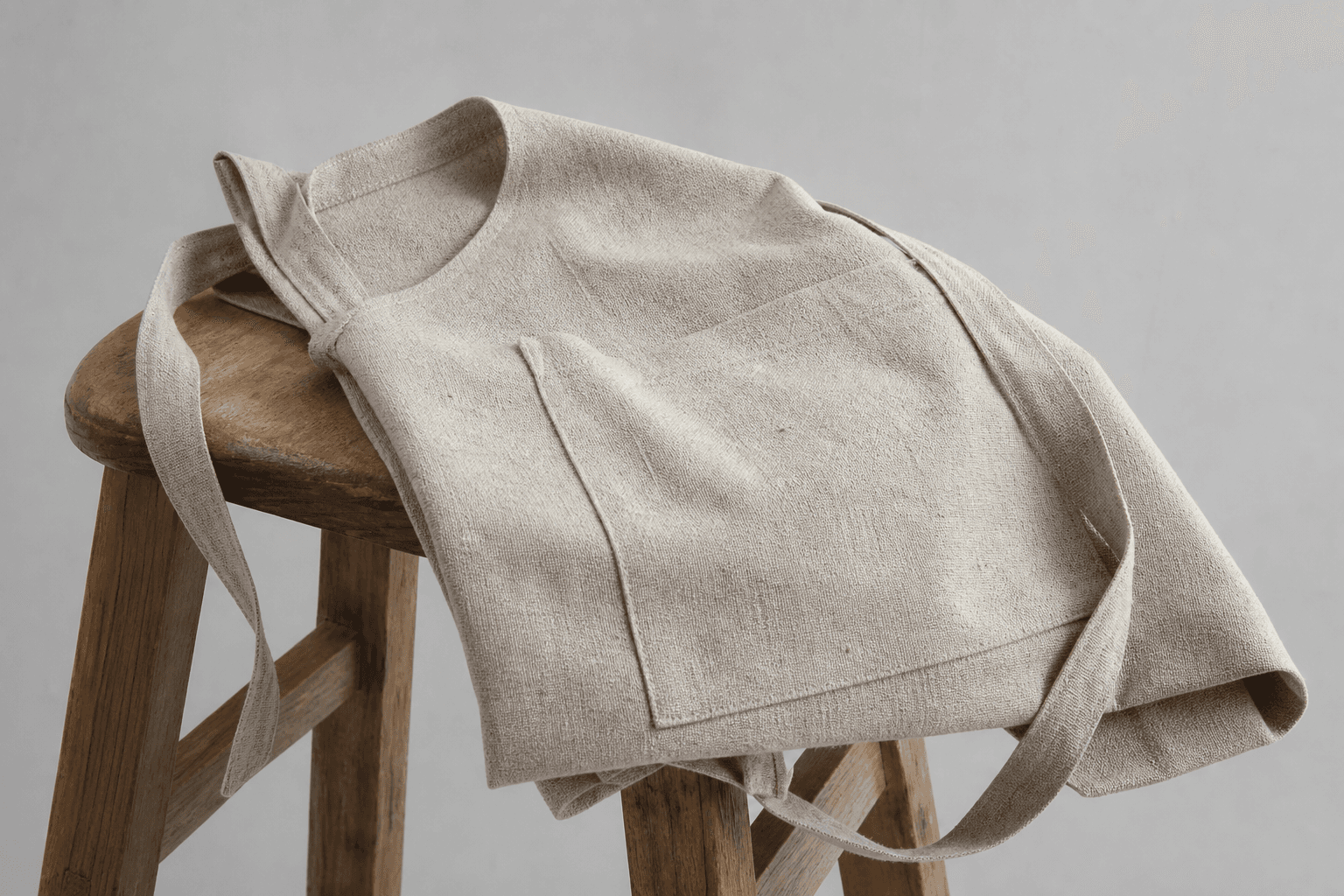
Hydrogen peroxide, quats and sanitizers on aprons: chemical exposure planning for salons and cleaners
<strong>Chemical exposure on aprons</strong> should be specified as tightly as fabric weight, pocket layout and logo size. For salon, housekeeping and cleaning teams, repeated contact with 3% to 12% hydrogen peroxide, 0.1% to 0.3% quats, alcohol sprays and alkaline sanitizers changes color retention, coating life, trim reliability, replacement intervals and annual cost per wearer.
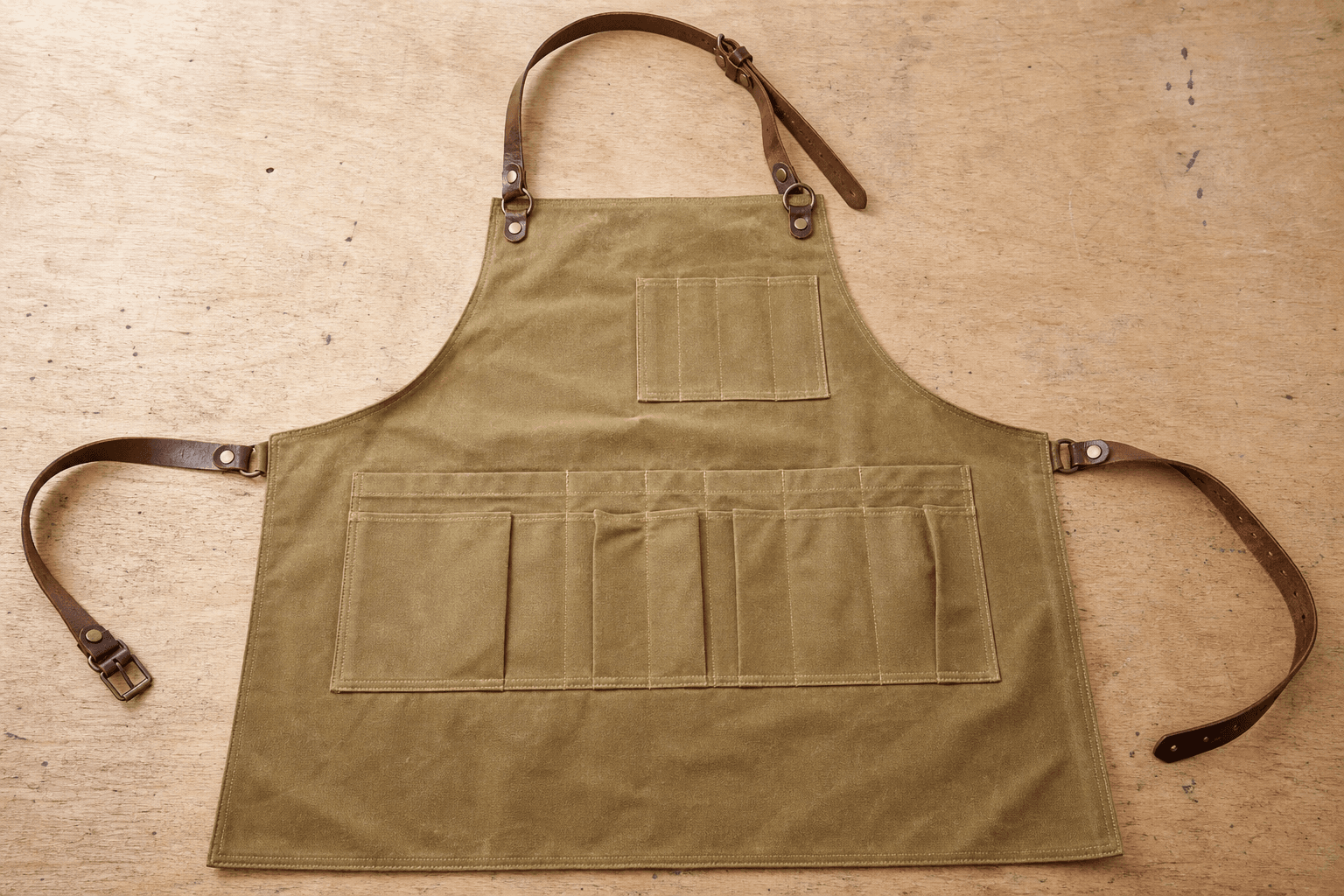
Hydrogen peroxide discoloration on black aprons: fabric and dye choices for salon and cleaning use
<strong>Hydrogen peroxide discoloration black aprons</strong> is a recurring sourcing problem for salon groups, janitorial distributors, and contract cleaning buyers because oxidizers attack some black dye systems much faster than standard wear or wash tests indicate. In repeat OEM programs, the lowest complaint rate usually comes from 190 to 220 GSM polyester twill or 200 to 230 GSM solution-dyed polyester, matched black trims, and pre-bulk splash testing at 3%, 6%, 9%, and 12% peroxide with visual checks after 5, 15, and 30 minutes.
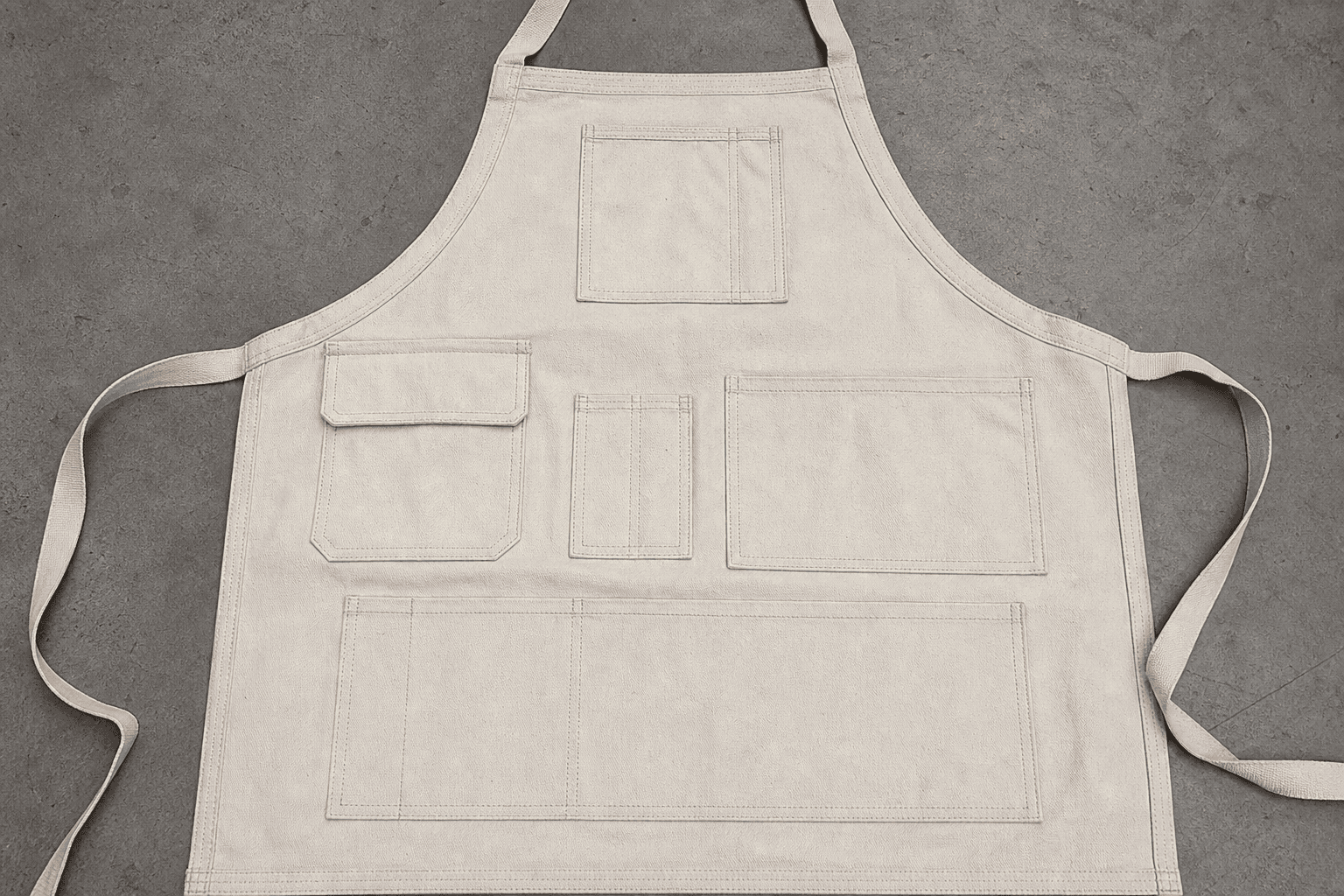
Commercial stain-removal testing for aprons: building a realistic soil set before approving fabric
<strong>Apron stain removal testing</strong> only predicts field performance when the soil set, dwell time, wash chemistry, drying method and grading rules match actual apron use. For B2B buyers sourcing bib, waist and butcher aprons, a realistic protocol reduces false approvals, exposes shade and seam-zone risk before bulk booking, and helps balance GSM, blend, MOQ, lead time and USD per piece with fewer post-shipment claims.
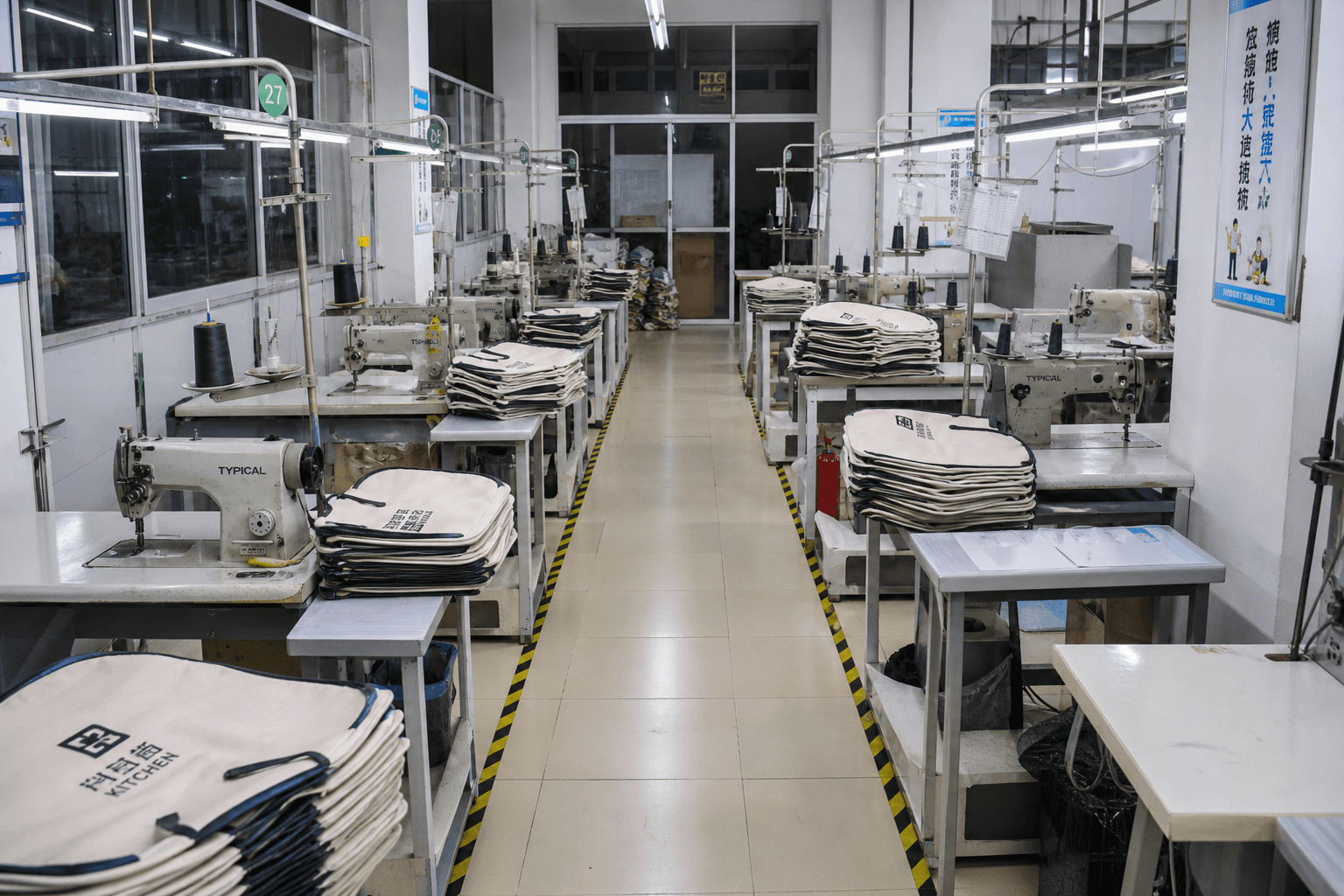
Commercial laundry wash formulas for aprons: what buyers should collect before approving fabric
A <strong>commercial laundry apron wash formula</strong> should be treated as a pre-approval document, not an afterthought. Before signing off apron fabric, B2B buyers need the actual wash chemistry, stage temperatures, extraction force, drying method, cycle target, and pass limits so the factory can test the full apron construction against real service conditions and price the right fabric route from the start.
Colorfastness to perspiration on aprons: why dark neck straps and waist ties need separate testing
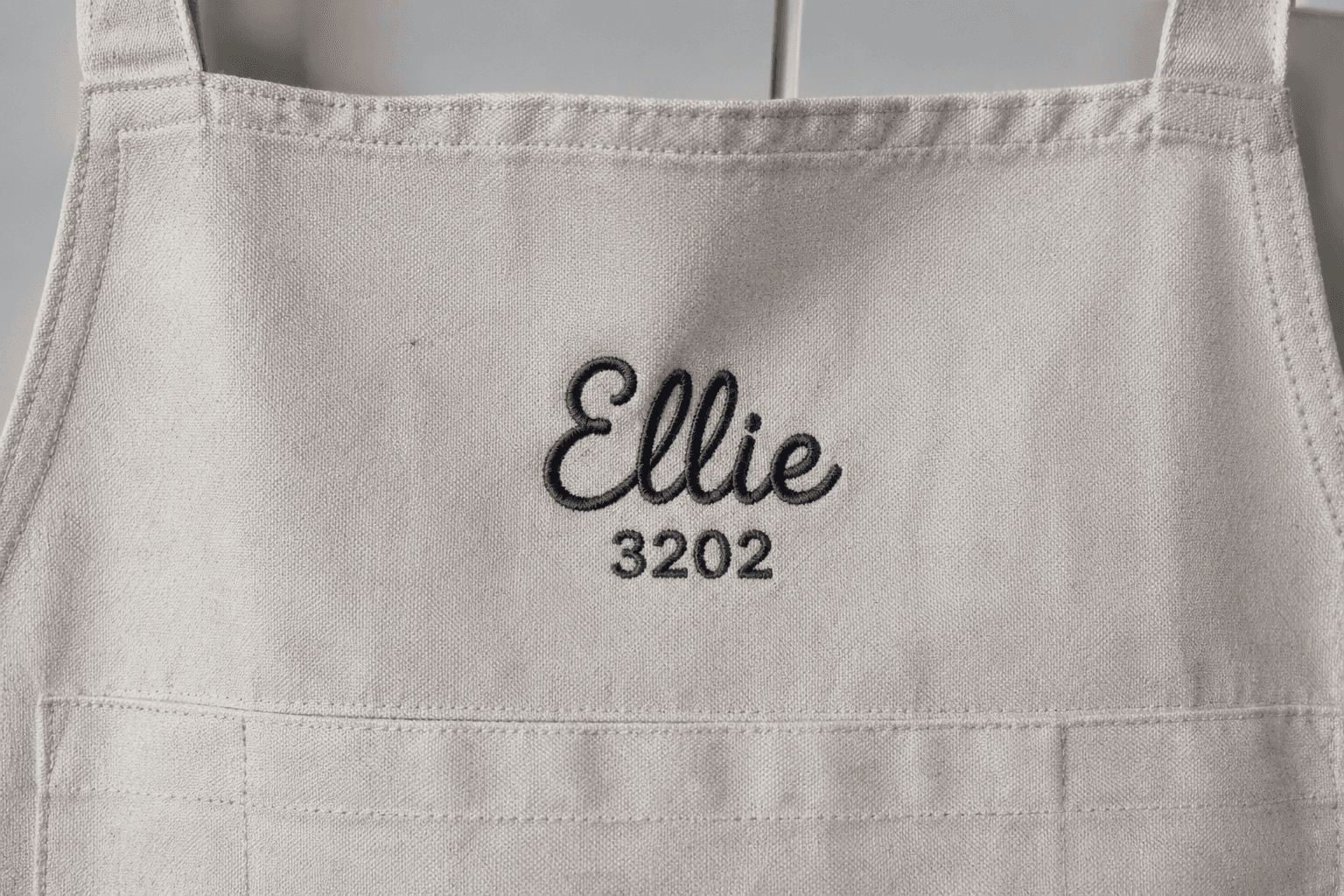
<strong>apron perspiration colorfastness</strong> failures usually show up first in black or navy neck straps and waist ties, not in the apron body. Those narrow components often come from separate trim suppliers, carry deeper dye loads, and stay in direct contact with skin for 8-12 hour shifts in kitchens, cafés, breweries, and hospitality service. For B2B apron buyers, testing those parts separately is a low-cost control that helps prevent sweat staining, failed wearer trials, and last-minute bulk holds before shipment.
Apron laundering trials before launch: setting pass-fail standards for appearance and dimensions
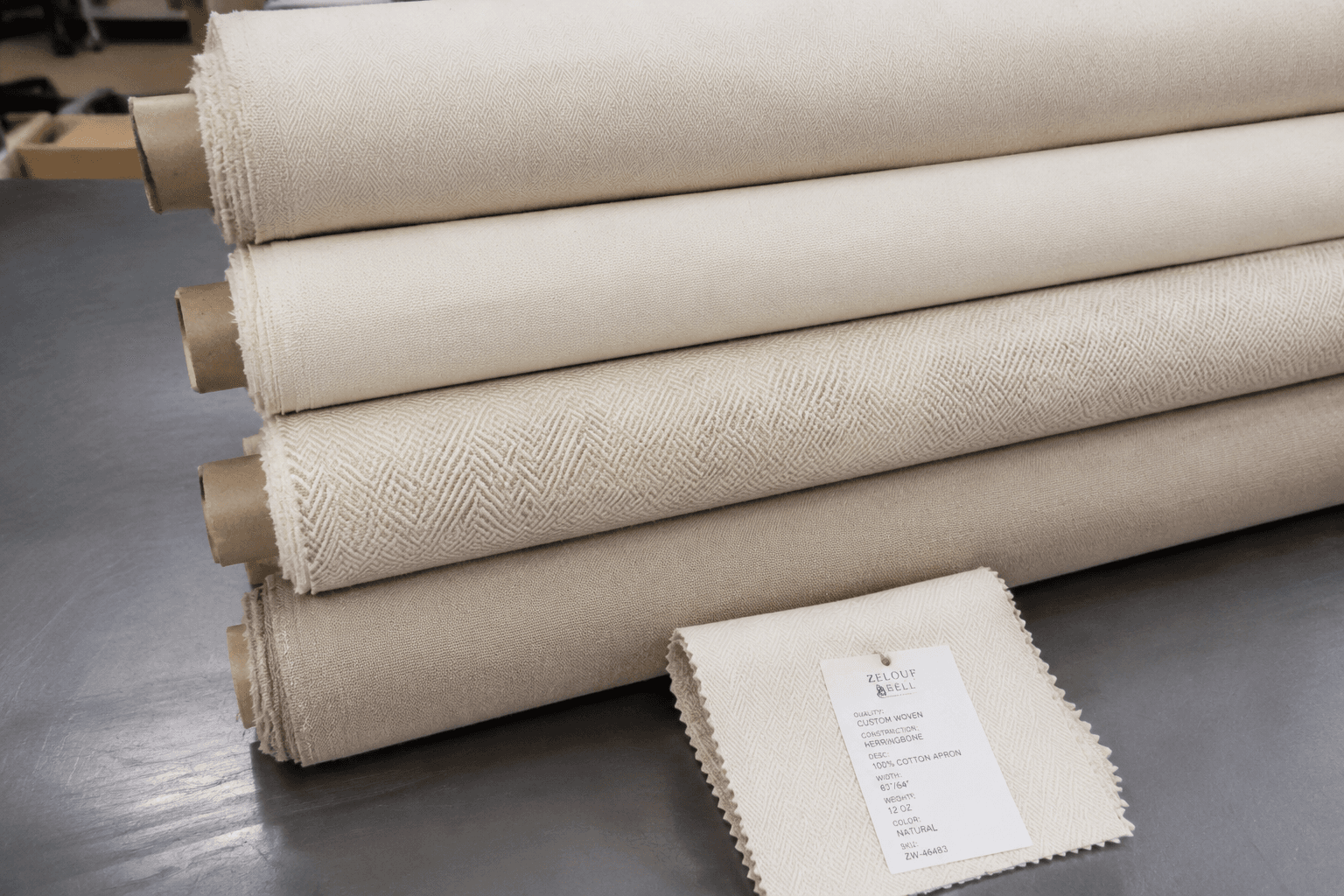
<strong>Apron laundering trials</strong> should establish signed pass-fail limits for shrinkage, skew, shade change, seam integrity, print retention and trim durability before bulk cutting starts. For professional apron buyers, the usable output is a launch standard tied to the final BOM: wash route, cycle count, sample size, measurement map, appearance grades, AQL 2.5/4.0 and re-test triggers under the same laundry conditions the aprons will face in service.
Apron fray at pocket corners: choosing reinforcement methods after wash and abrasion failures
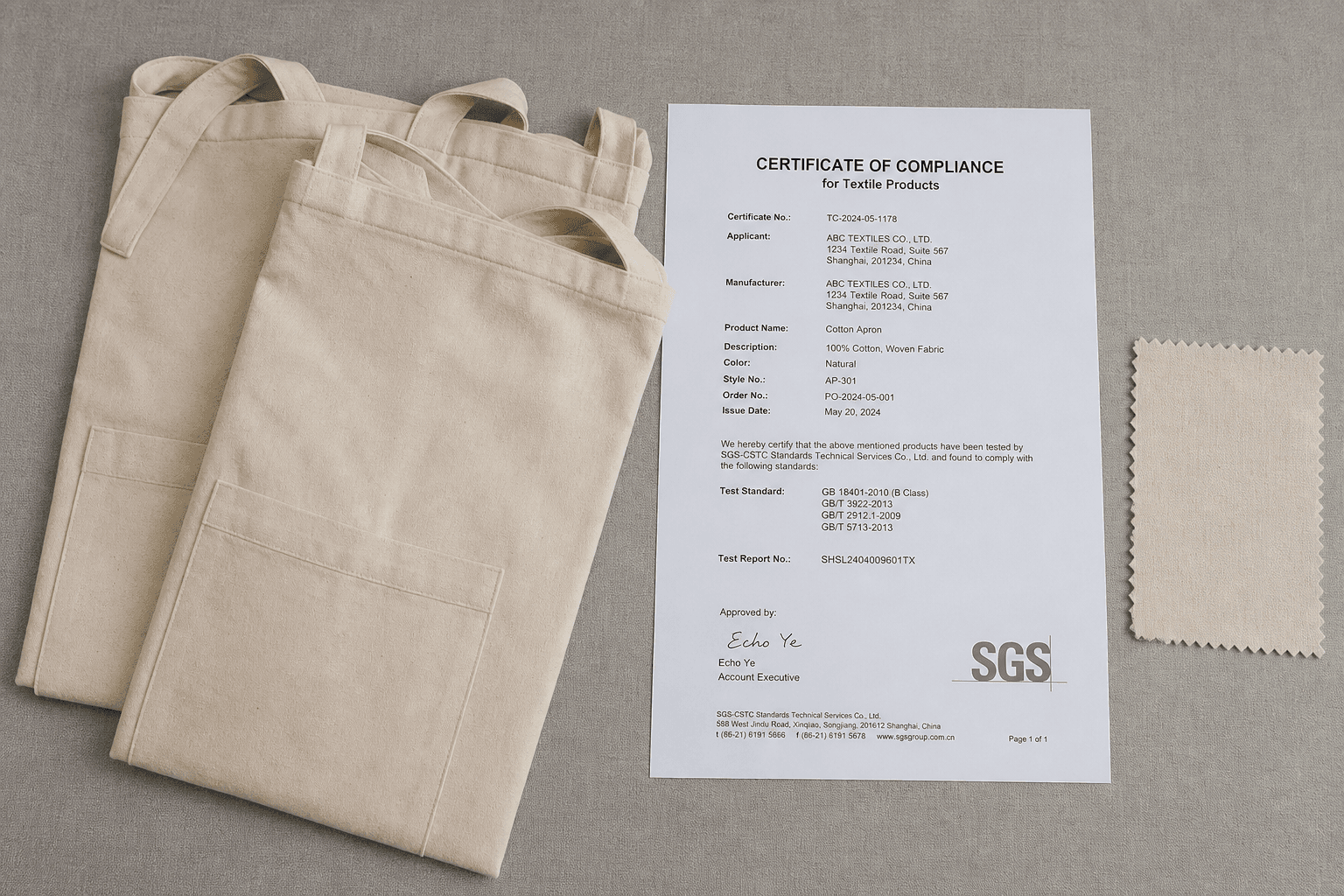
<strong>Apron pocket corner fray</strong> usually starts in the top 8 to 12 mm of the pocket opening, where abrasion, seam tension, and wash shrinkage overlap. For professional apron buyers, the right correction depends on measurable factors: shell weight from 240 to 400 GSM, pocket load, laundry method, approval wash count, and whether the program can absorb a $0.03 bartack, a $0.06 to $0.12 backing patch, or a 7 to 15 day trim lead-time extension.
Apron care symbols for retail packs vs bulk uniform programs: what changes and what cannot
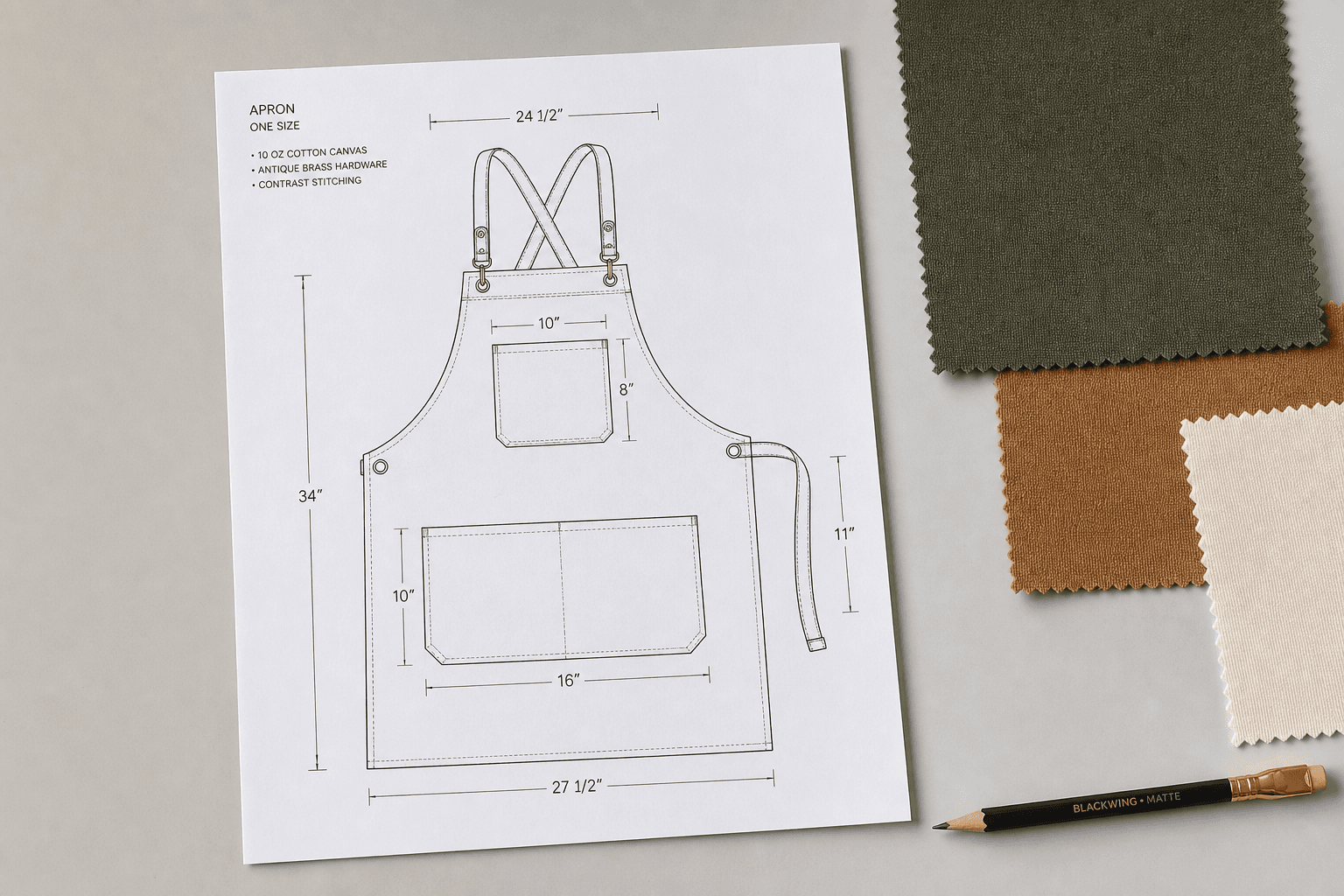
<strong>Apron care label symbols</strong> stay technically fixed when an apron moves from a retail shelf pack to a 20,000-piece uniform rollout. What changes is the label format, the wash-life expectation, and the traceability buyers need for APR, pack, and laundry control. For apron sourcing teams, the rule is simple: presentation can change by channel, but the approved symbol set must still match the tested fabric, trims, decoration, and real wash conditions.
Rust migration from apron hardware: preventing stains around rivets, snaps and grommets
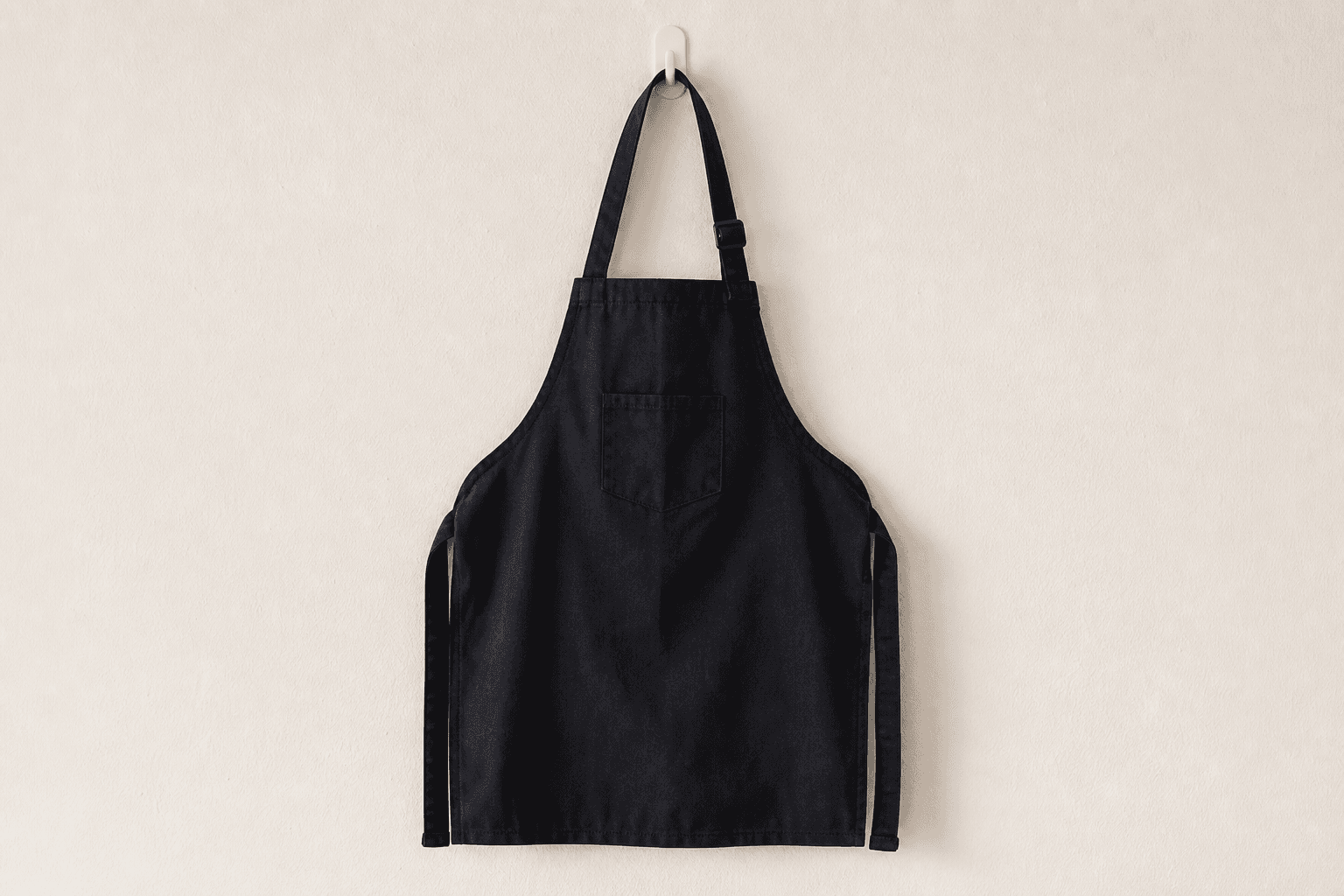
<em>Apron hardware rust stains</em> rarely start in laundry alone. In bulk apron programs, the problem usually begins when iron-based rivets, snaps, or grommets are approved by color and shape, then installed through 200-340 GSM twill, canvas, or 9-12 oz denim and exposed to 40-60°C washing, alkaline chemistry, 24-48 hours of damp stacking, or 18-28 days of humid transit. B2B buyers cut rejects and chargebacks when hardware is specified by base metal, finish thickness, installed wash performance, moisture limit at packing, and clear AQL rules for stain migration.
Logo cracking after commercial wash: diagnosing transfer, print and curing failures on aprons
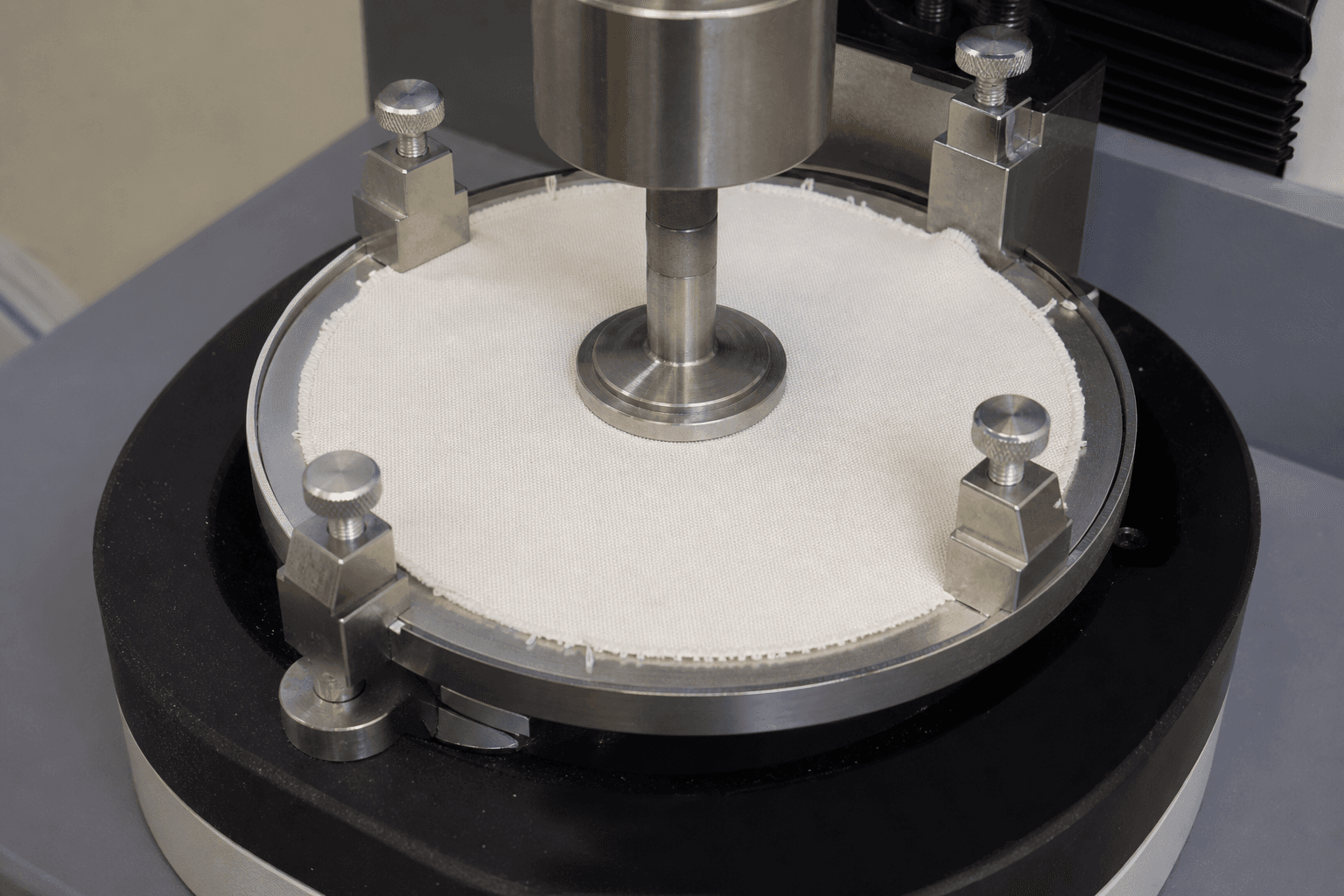
<em>Apron logo cracking after wash</em> is usually traceable to one measurable mismatch: a 90-110 micron transfer pressed onto a 260-320 GSM bib panel, plastisol that never reached a verified 160°C through-cure, or a stain-release 65/35 twill apron approved without a 20- or 30-cycle commercial-laundry test. This guide shows B2B apron buyers how to diagnose failures by fabric weight, logo size, wash count, curing data, AQL level and per-piece cost before a 1,000-10,000 piece reorder repeats the same defect.
Industrial ironing and tunnel finishing for aprons: fabrics that keep shape under heat and steam
<em>Industrial ironing aprons</em> for hotels, contract laundries, central kitchens and bakery chains need a controlled fabric-and-construction package, not just a heavier cloth. The most reliable results usually come from 210-245 GSM twill, matched shrinkage across shell, ties and pockets, garment testing through 10-20 wash-and-finish cycles, and clear MOQ, AQL and 25-50 day lead-time terms before bulk booking.
Color migration from dark apron bindings onto light base fabrics: prevention in dyeing and wash tests
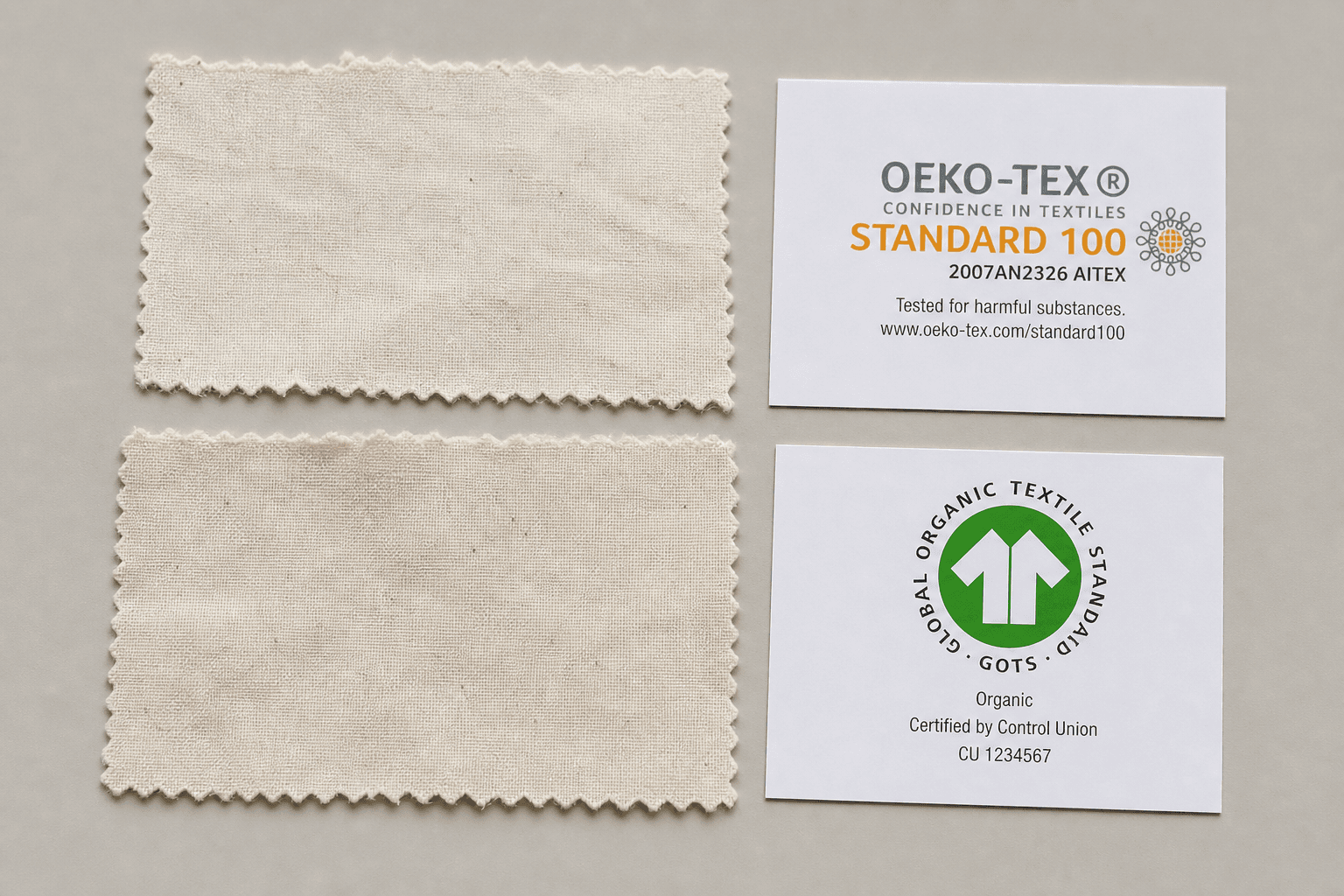
<strong>Apron binding color migration</strong> is a repeatable trim failure on light-body aprons when dark binding, piping, or tape releases dye during washing, steam finishing, or humid transit. For B2B buyers, the practical control is to lock fiber content, dye route, sewn-panel wash testing, staining grade, AQL treatment, MOQ, and trim lead time before bulk booking.
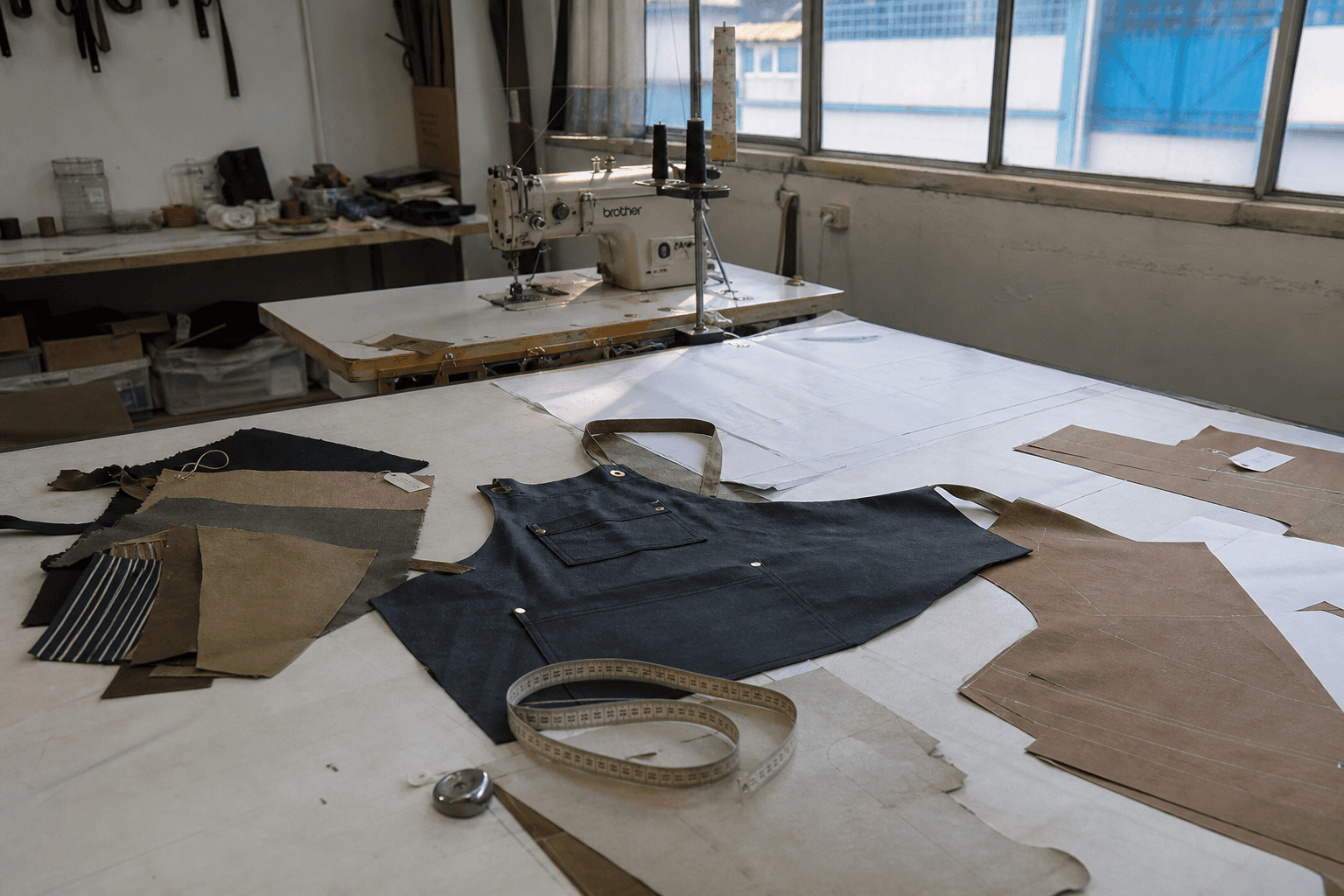
Bleach spotting on dyed aprons: realistic warning labels and buyer expectations for replacement rates
<strong>Bleach spotting on dyed aprons</strong> is a routine end-use risk in dark apron programs, not a hidden sewing defect. For B2B buyers sourcing bib, bistro, and waist aprons, the practical job is to set exact warning labels, realistic replacement rates, opening spare stock, and reorder timing before bulk production of black, navy, charcoal, burgundy, or forest styles used around chlorine cleaners, hypochlorite sanitizers, or peroxide-based salon chemicals.
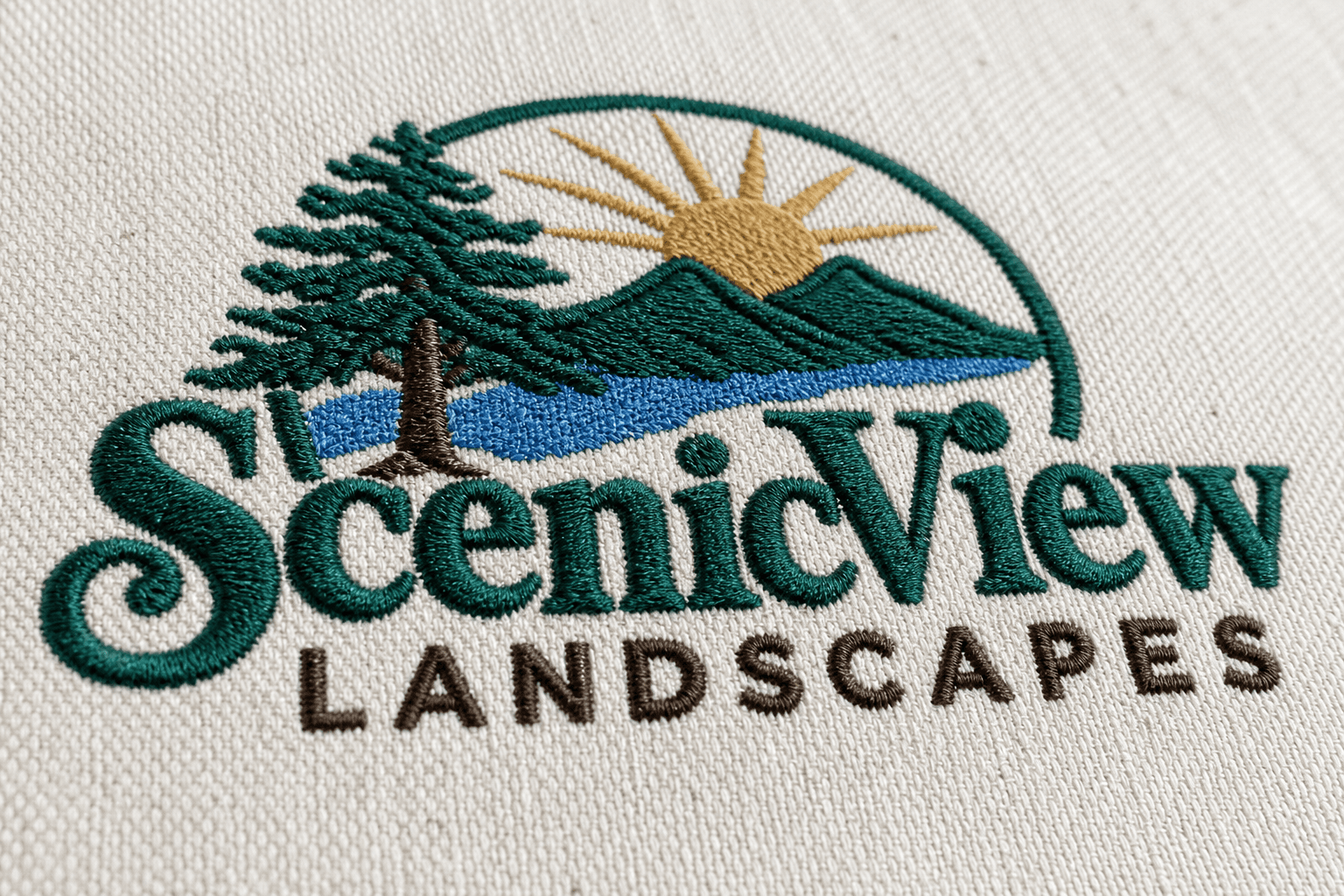
Apron twist after repeated wash: how strap attachment symmetry affects hang and appearance
<em>Apron twisting after wash</em> is usually a pattern-and-construction failure, not a simple fabric-weight issue. In bulk apron sourcing, a left-right strap placement error of 4 to 6 mm, off-grain cutting above 2%, or unbalanced bartacks can make a bib apron hang visibly off center after 3 industrial laundry cycles or 8 to 15 home washes.
Apron shade sorting after bulk dyeing: when buyers should accept panel variation and when not
<strong>Apron shade sorting after dyeing</strong> is a cutting, bundling, and inspection control that decides whether a bulk order looks commercially balanced or visibly mixed. For B2B apron buyers, the real decision is not whether shade drift exists after dyeing or washing, but which apron panels must match within the same piece, what tolerance is realistic by fabric and finish, and how many extra days, cents per piece, and yield loss stricter control will add.
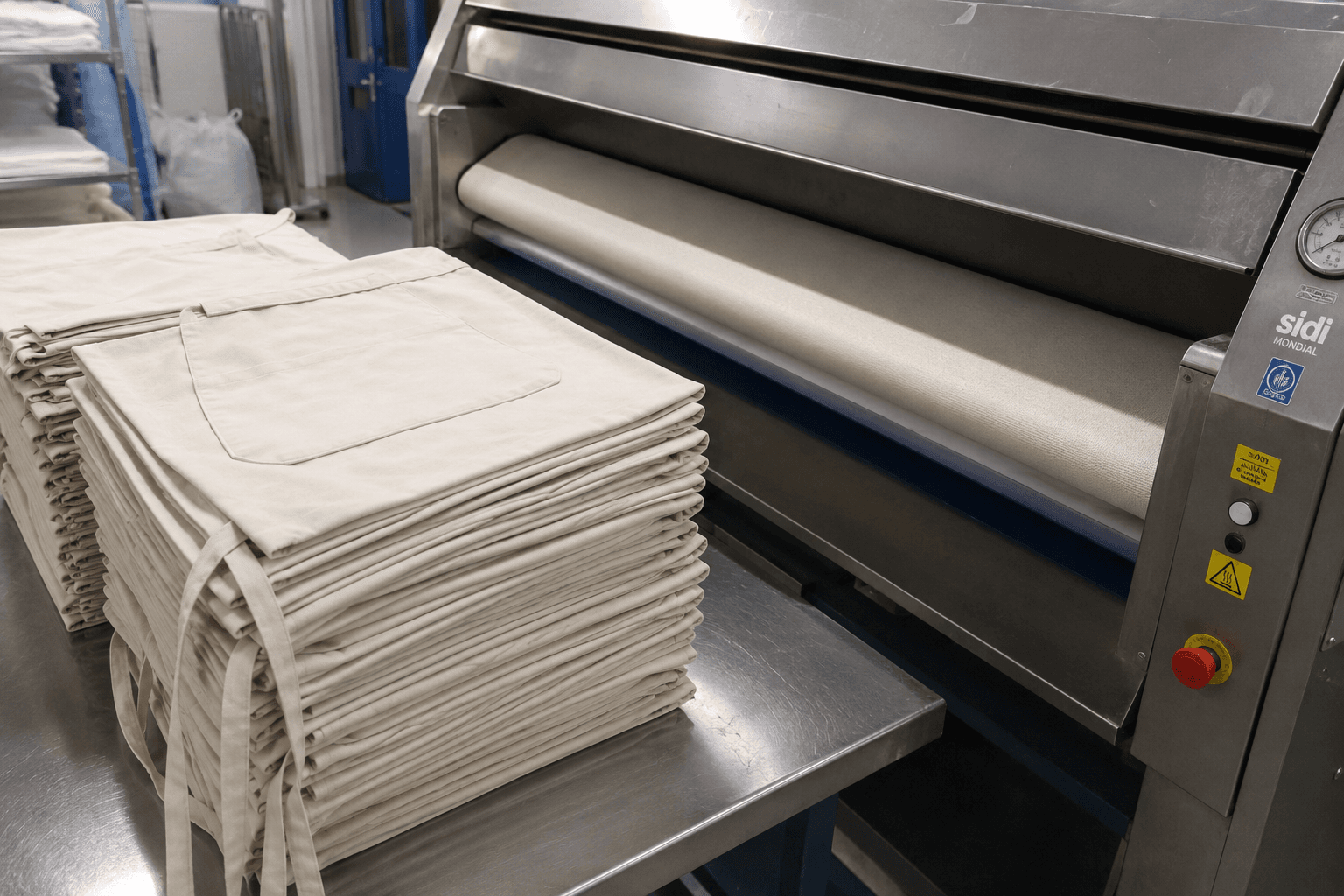
Apron odor retention in polyester blends: wash chemistry, drying and fabric choice for uniform programs
<em>Apron odor retention polyester blend</em> problems usually come from a mismatched apron specification, not a random laundry complaint. In professional uniform programs, blend ratio, weave, GSM, detergent route, rinse quality and full drying determine whether bib aprons stay neutral for 30-50 industrial turns or start holding fryer, dairy, coffee or damp odor after only 8-15 wash cycles.

PFAS-free claims for water-repellent aprons: test reports, declarations and safe wording
A sourcing guide to <strong>pfas free apron claims</strong> for water-repellent apron programs, with practical detail on test reports, supplier declarations, claim wording, MOQ impact, lead-time additions, AQL release controls and realistic cost per apron for professional B2B buyers.

Needle detection and broken-needle control in apron production for food-sector buyers
<strong>Needle control apron production</strong> is a measurable sourcing control for food-sector apron buyers: it defines needle issuance by machine, breakage containment by bundle or time block, detector challenge testing, quarantine handling, and carton release rules so metal-fragment risk is contained before bulk aprons ship.
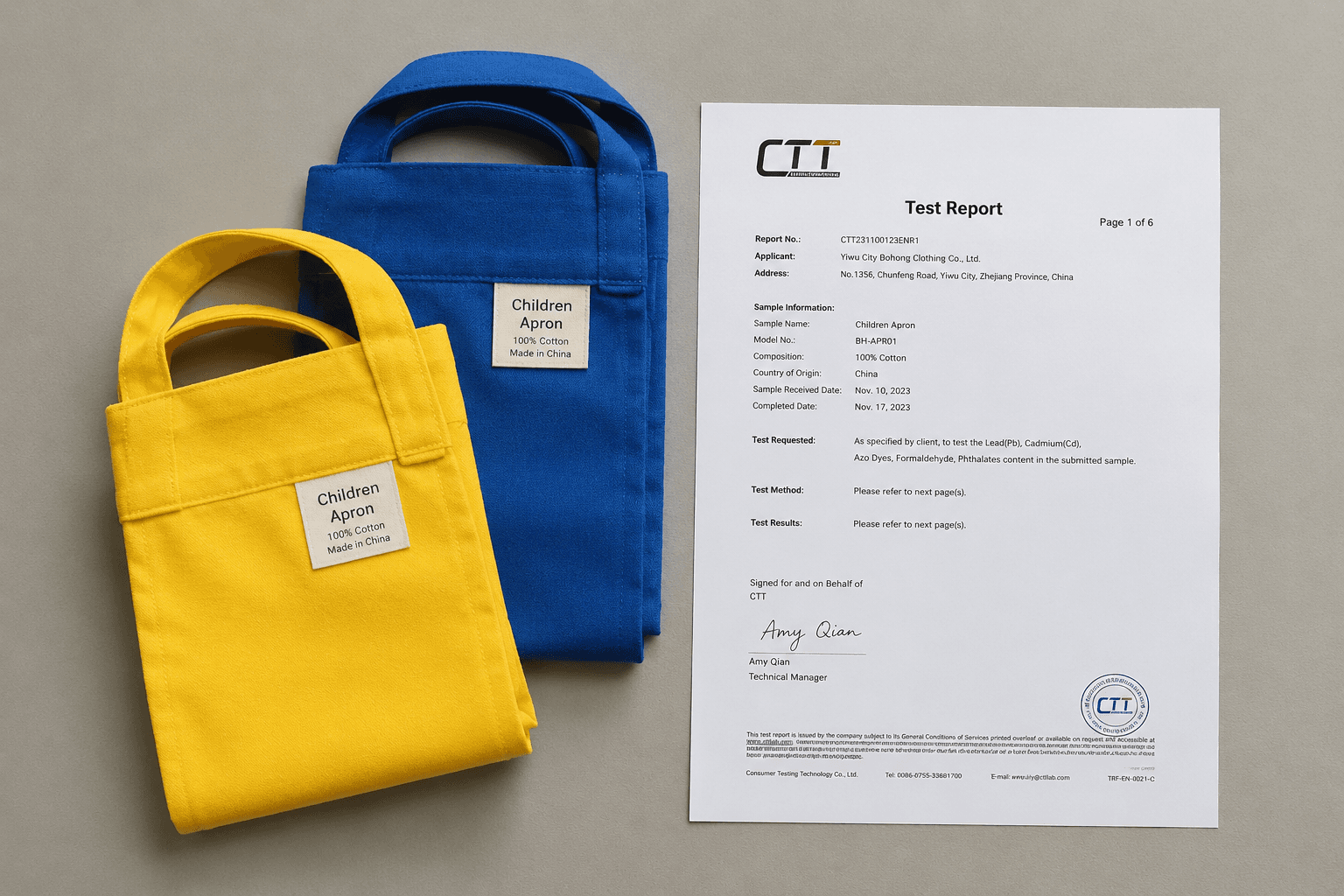
Metal trim compliance for imported aprons: nickel release, lead and plating wear
A practical B2B guide to <strong>apron metal trim compliance</strong> for imported aprons, with realistic controls for nickel release, lead screening, plating wear, trim specifications, lab timing, AQL thresholds, and pre-shipment factory checks.
EN ISO 13688 and general protective garment labeling for industrial aprons
A sourcing guide to <strong>industrial apron labeling requirements</strong> under EN ISO 13688 for B2B buyers of textile and coated aprons. It explains what must appear on the apron, what belongs in user instructions, how GSM, cleaning method, MOQ, lead time, AQL, and version control affect trim approval, and how to prevent relabeling cost, customs queries, and warehouse rejection.
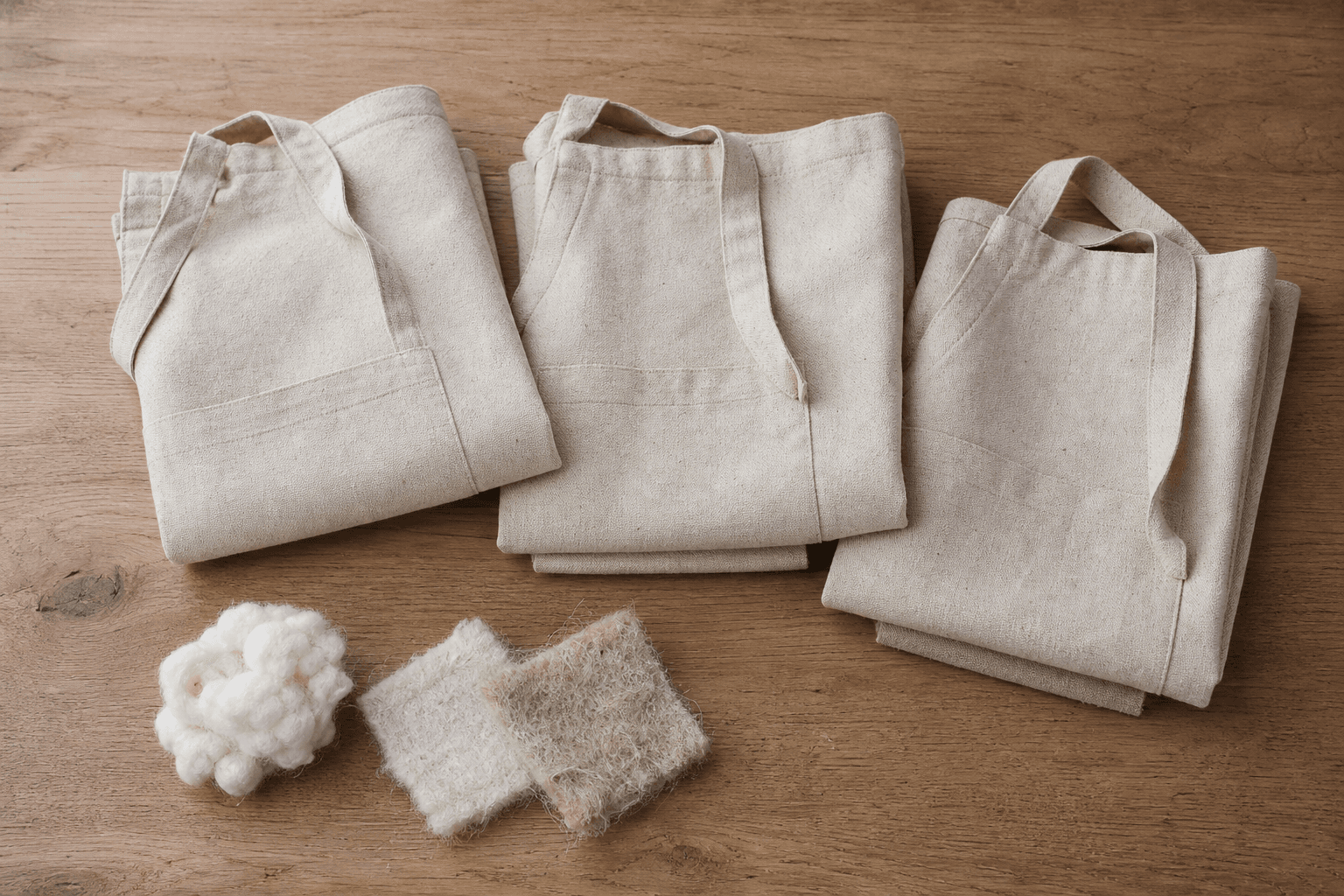
Chlorine bleach compatibility in white aprons: fabric, sewing thread and logo survival
B2B buyers sourcing <strong>bleach safe white aprons</strong> need a full durability spec, not just white fabric. Chlorine resistance depends on GSM, fiber content, optical brighteners, sewing thread, bartacks, logo method, wash chemistry, AQL control and realistic cycle testing. This guide sets practical targets for fabric weight, seam package, MOQ, lead time, FOB cost and finished-apron validation before bulk orders.
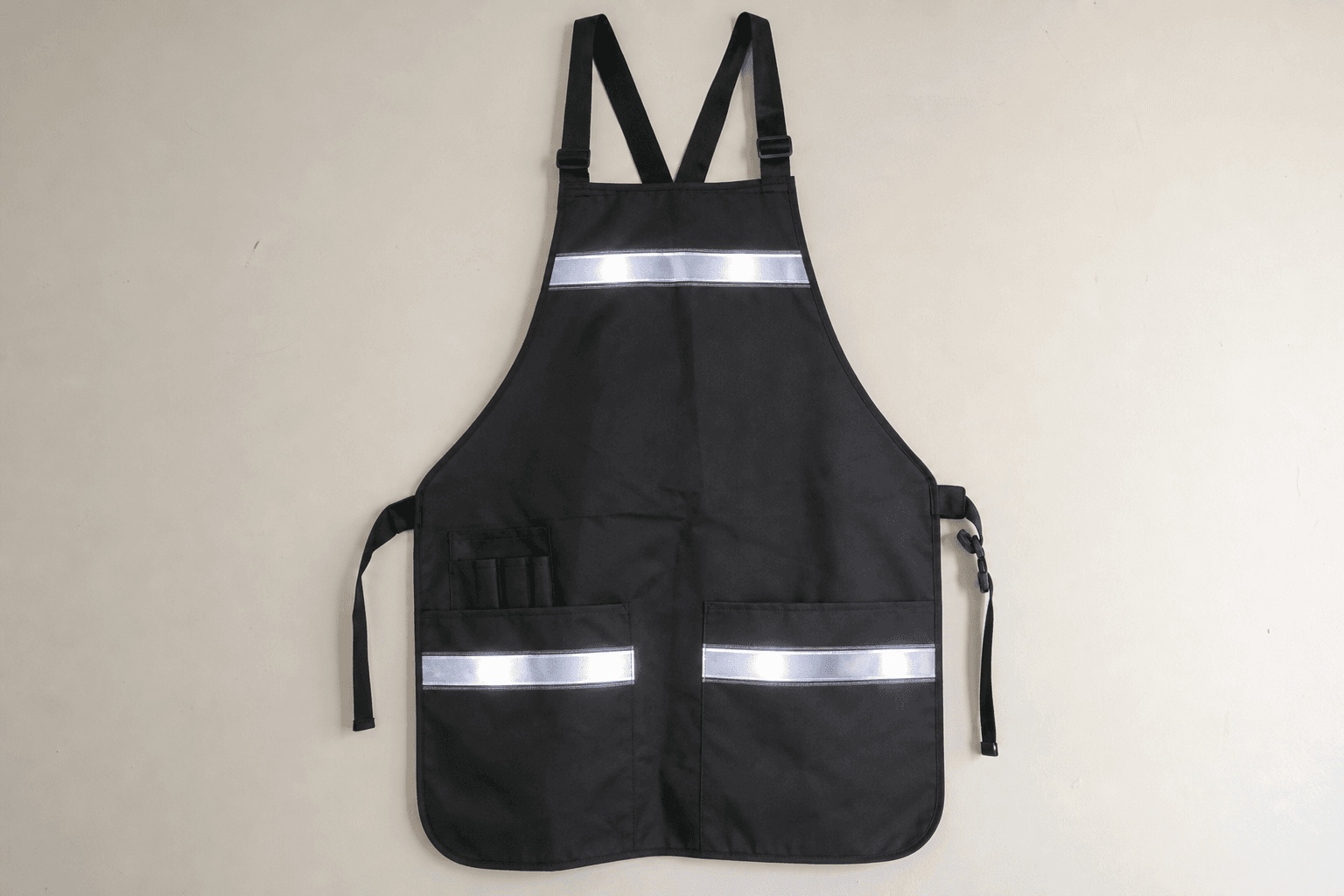
Azo dyes, formaldehyde and pH testing on aprons: what textile lab reports actually show
<strong>Apron textile lab testing</strong> only protects a B2B order when the report matches the exact apron SKU, colorway, fabric lot, print, webbing, label set, and production stage that will ship. For importers, distributors, hospitality brands, and retailers, a usable azo dyes, formaldehyde, and pH report must show the tested sample, method, customer limit, measured result, unit, and test date clearly enough to support supplier approval, bulk release, and shipment sign-off.
Apron fiber content verification: how labs confirm blends and recycled claims
<strong>Apron fiber content testing</strong> gives B2B buyers objective evidence that a quoted 65/35 poly-cotton twill, 10 oz cotton canvas, or recycled-blend shell matches the purchase specification before bulk cutting. For apron sourcing teams, that check reduces mislabeling risk, recycled-claim disputes, and avoidable FOB drift that often runs $0.18-$0.75 per piece when mills substitute a lower-cotton blend or lighter fabric than the approved standard.
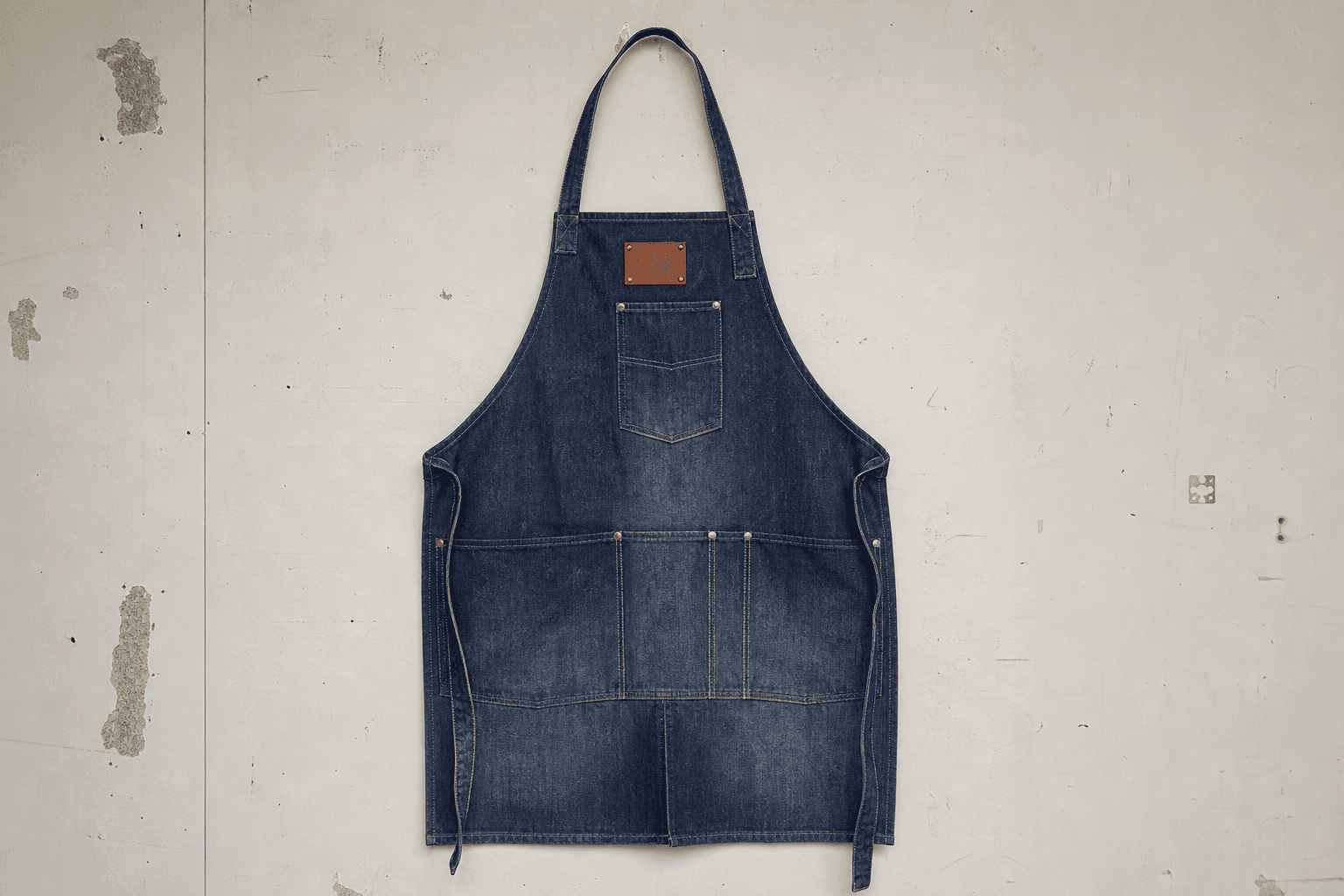
Apron bowing and skewing after wash: how fabric finishing and cutting direction affect hang
<strong>Apron bowing and skewing</strong> is usually built into the fabric before sewing and exposed after laundering. For B2B apron buyers, the workable controls are measurable: hold finished-fabric skew to 2.0% to 2.5% on most 210 to 310 GSM twills and canvases, tighten to 1.5% to 2.0% on premium cotton bib aprons with centered pockets or contrast trim, relax rolls 12 to 24 hours before spreading, keep the apron body on grain, and approve bulk only after 1-wash and 3-wash tests on sewn samples from actual lot fabric.
OEKO-TEX certified aprons: what buyers need to know
An oeko-tex apron is not automatically premium, but it gives buyers a controlled chemical safety baseline for bulk custom apron programs.
BSCI audits and apron factories: what the report covers
A bsci apron factory report shows how labor, safety, payroll, subcontracting and management systems are controlled before bulk apron production is placed.
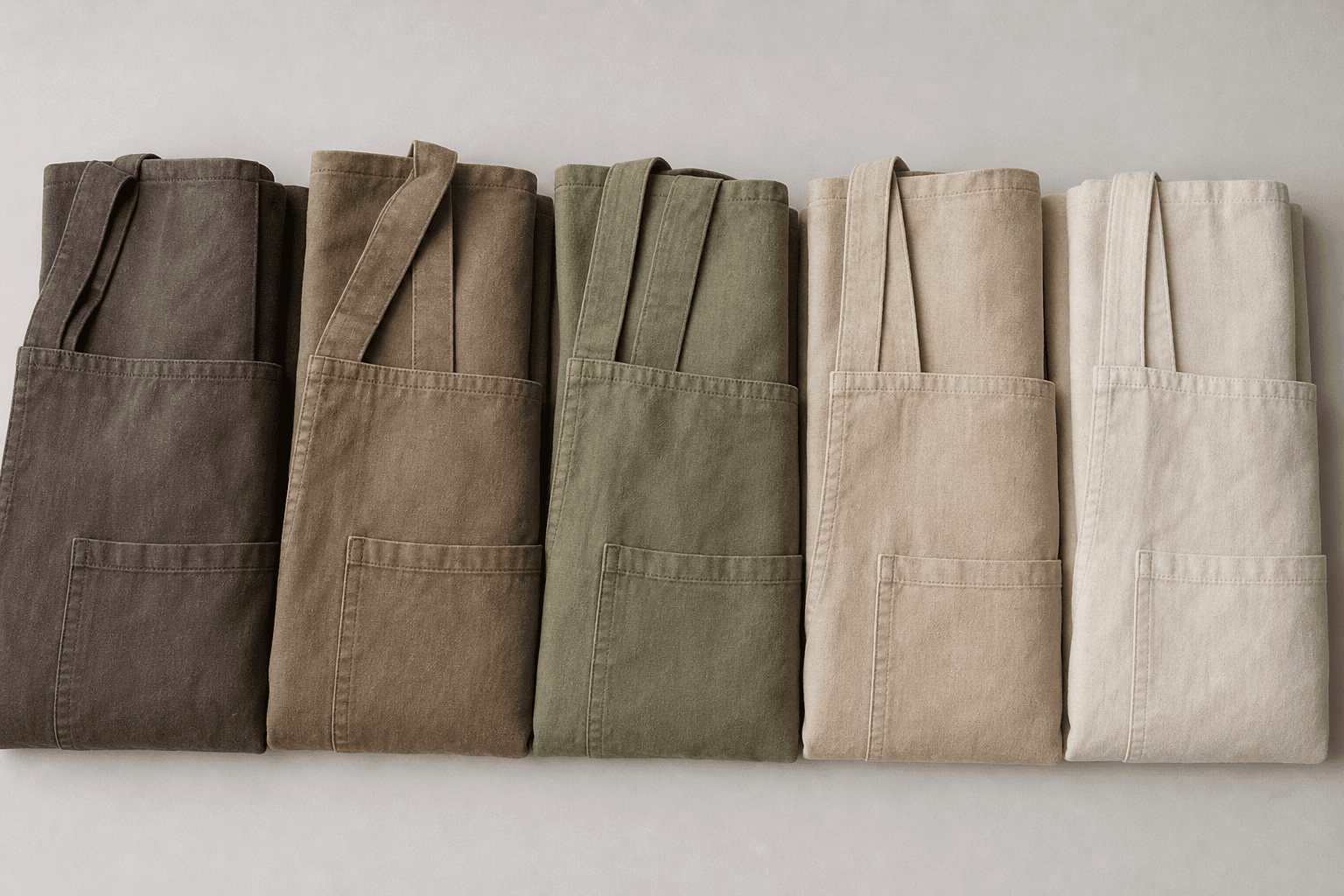
Apron shrinkage and pre-wash: controlling fit after laundering
Apron shrinkage must be specified, measured and priced before bulk production, especially when cotton aprons are sold by finished fit after laundering.
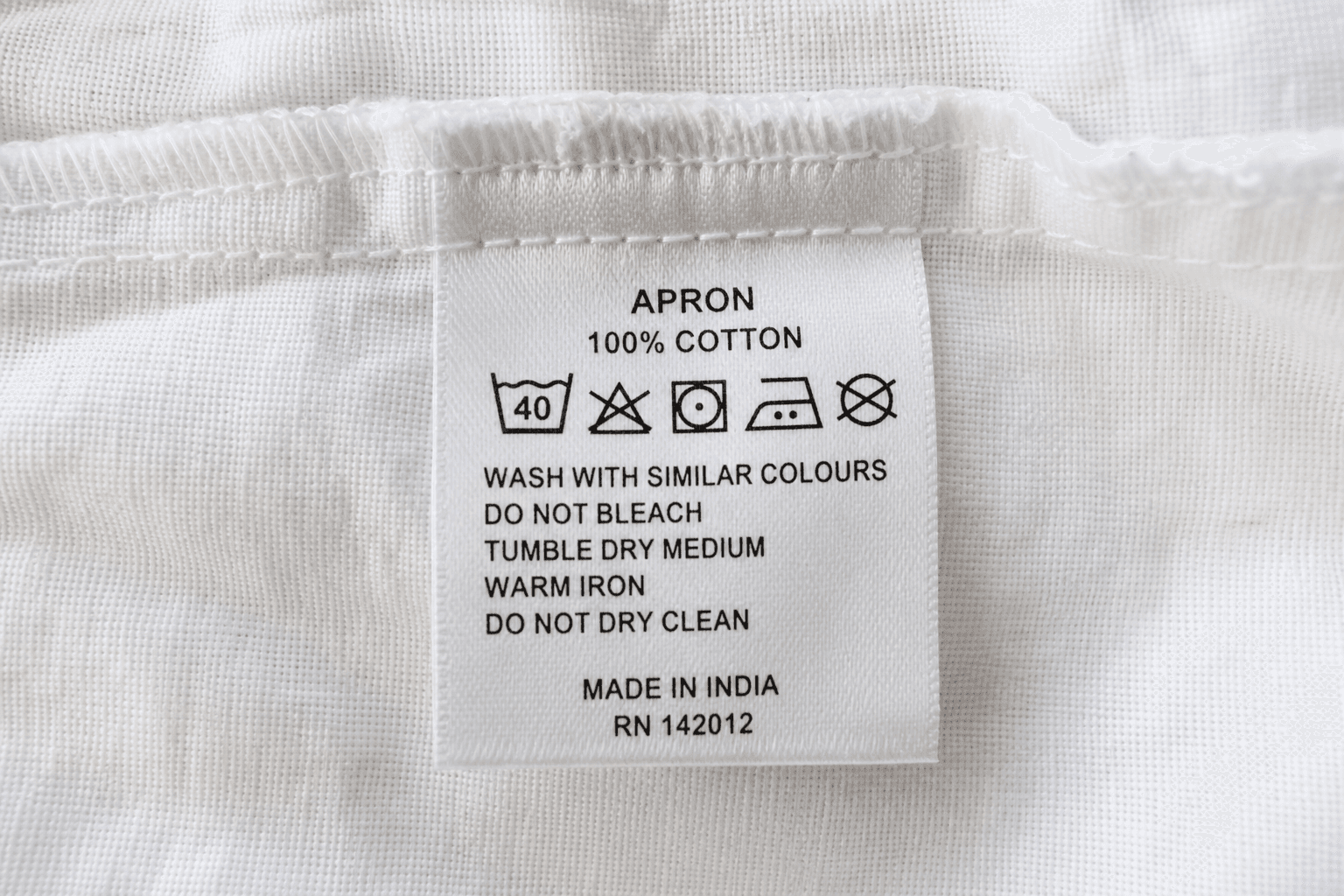
Apron care labeling for commercial laundry
A practical apron care label guide for bulk buyers specifying fabrics, wash temperatures, symbols, and commercial laundry limits before production.
A practical guide to sustainable apron sourcing
A practical sustainable apron sourcing guide for buyers comparing fabrics, certifications, dyeing choices, MOQs, costs, and supplier controls for bulk apron programs.
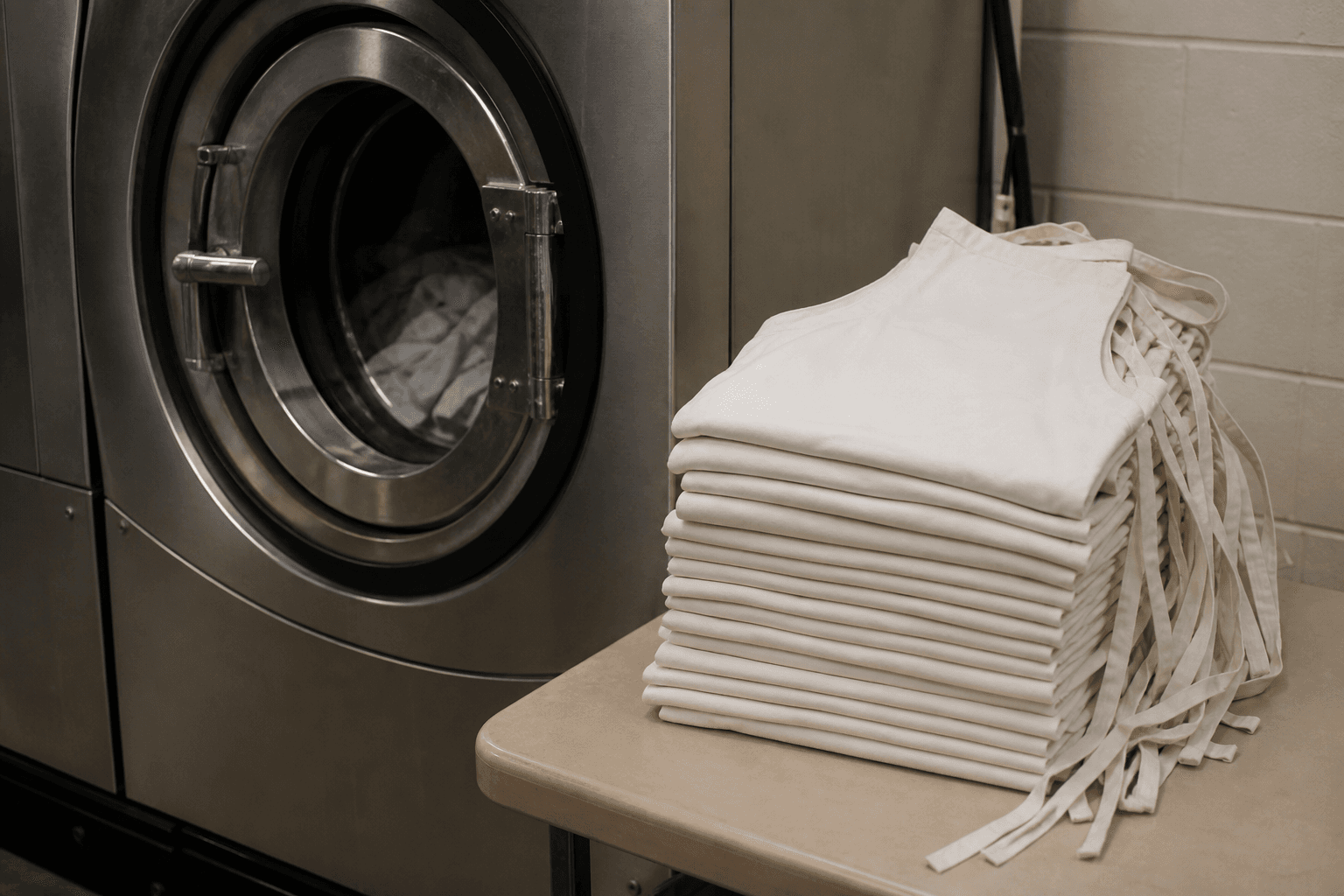
How to wash commercial aprons: care that extends lifespan
A practical apron care guide for buyers who need to wash commercial aprons without shrinking fabric, fading prints, or shortening garment life.
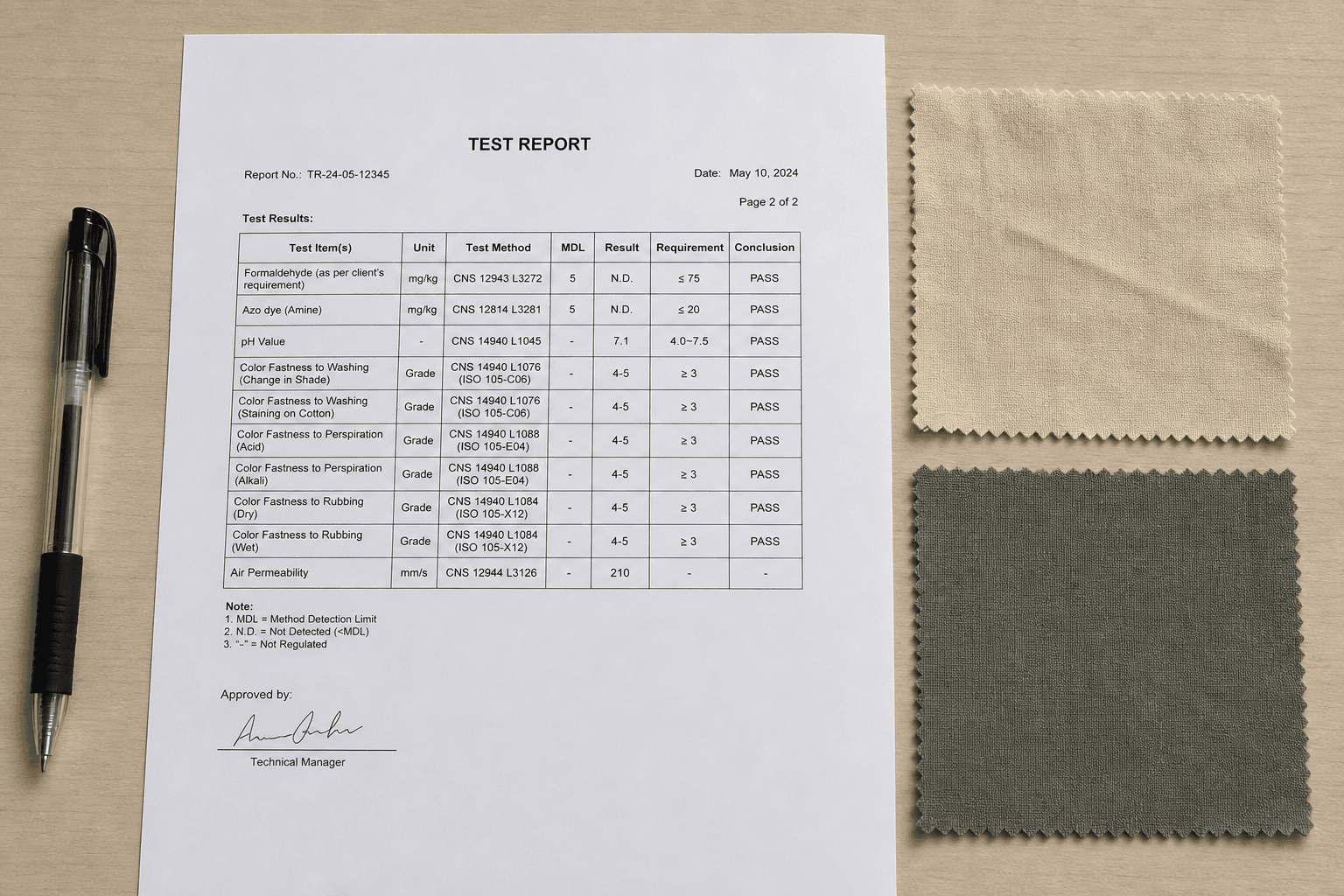
REACH and Prop 65 compliance for imported aprons
A practical apron reach prop 65 guide for importers covering fabric chemistry, trims, testing reports, supplier controls, cost, MOQ and lead-time impact.
GOTS vs GRS: which apron certification fits your claim
A practical gots vs grs apron guide for buyers deciding whether an organic fiber claim or recycled material claim fits their apron program.

Lowering the carbon footprint of your apron program
Reducing apron carbon footprint starts with fabric choice, yield control, packaging, and shipment planning, not a single eco label.
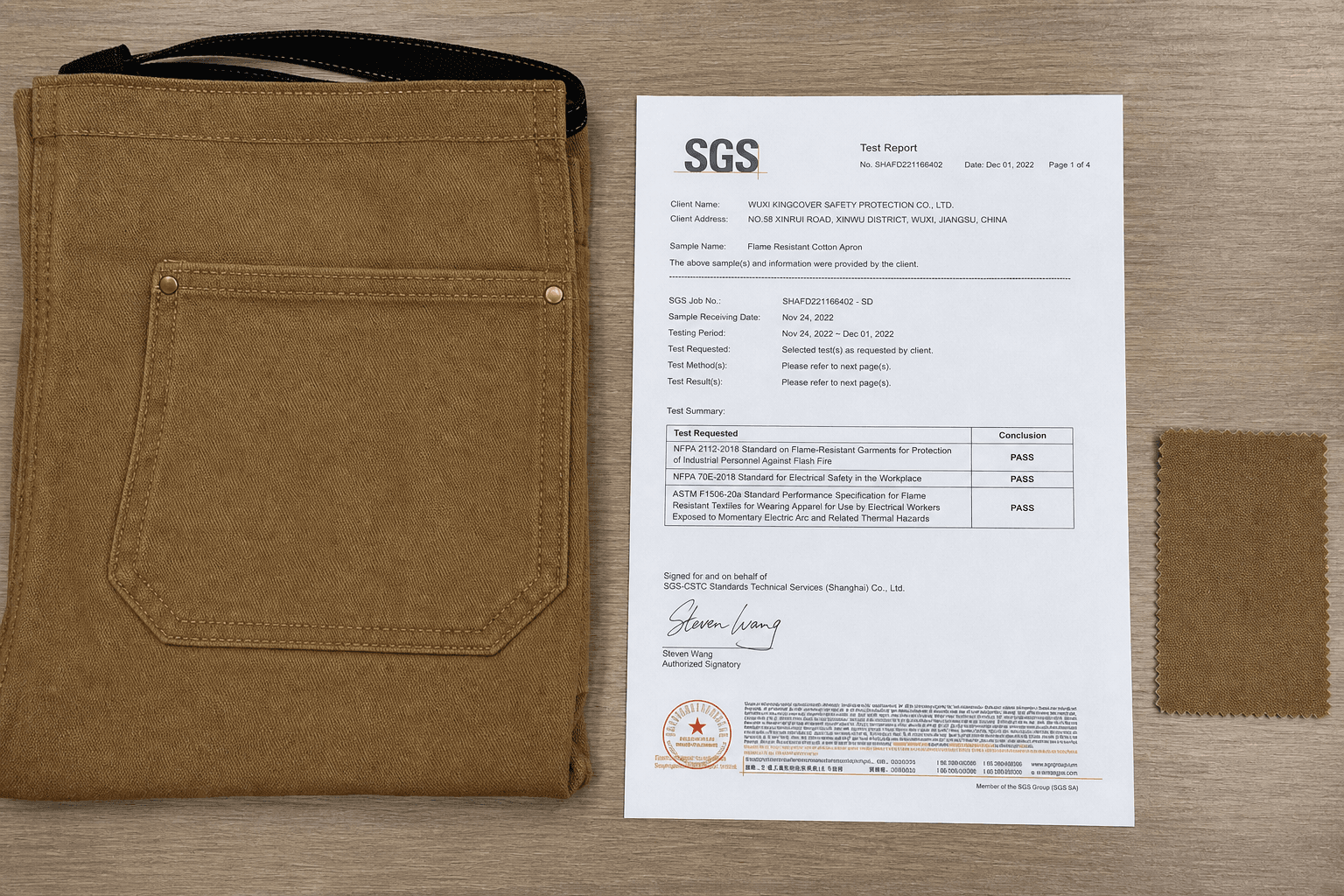
Fire-safety standards for hospitality and industrial aprons
A fire safety apron must match the buyer’s heat exposure, washing method, and certificate target, not only a fabric label or supplier claim.
Apron durability testing: abrasion, seam strength and wash cycles
Apron durability testing connects abrasion, seam strength and wash cycle results to real sourcing decisions, fabric selection and bulk order risk control.
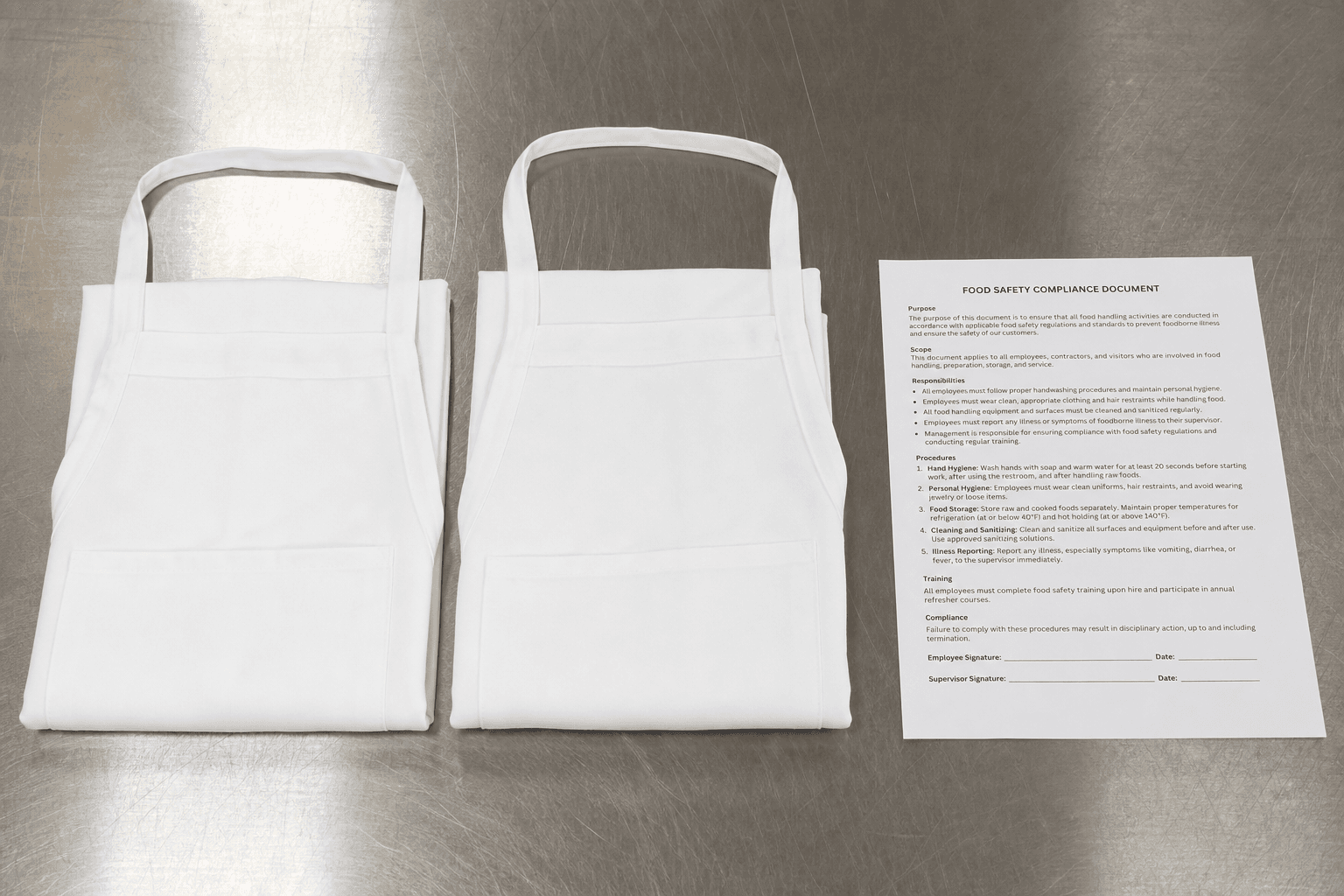
Food-contact-safe aprons: compliance for kitchens and processing
A food safe apron depends on correct material selection, migration controls, cleanable construction, and batch documentation that matches the buyer’s end-use risk.
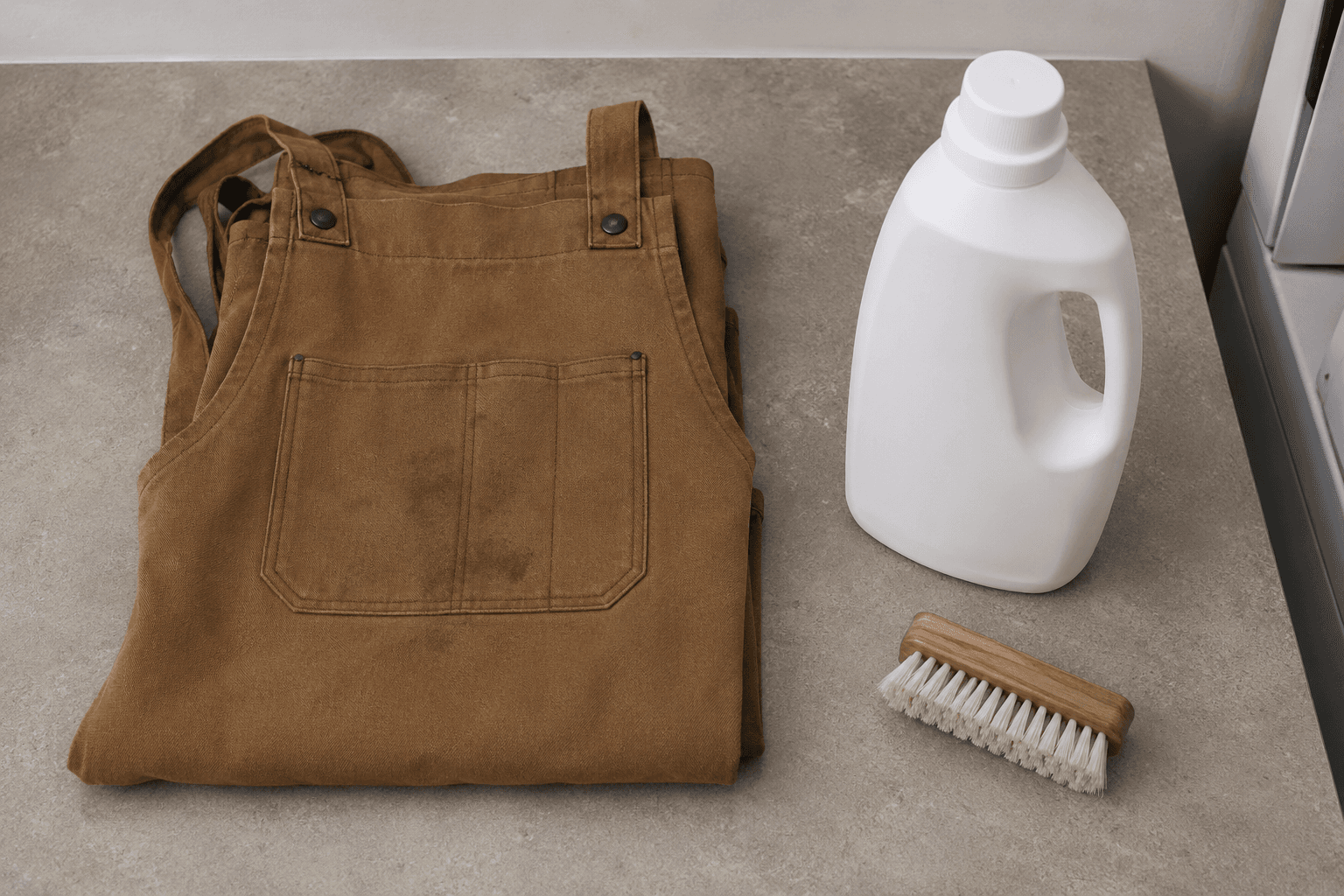
Removing grease and oil stains from work aprons
Practical guidance for buyers who need to remove grease stains apron by apron, with fabric-specific cleaning methods, finish protection, and supplier-side notes on cost, durability, and care labeling.
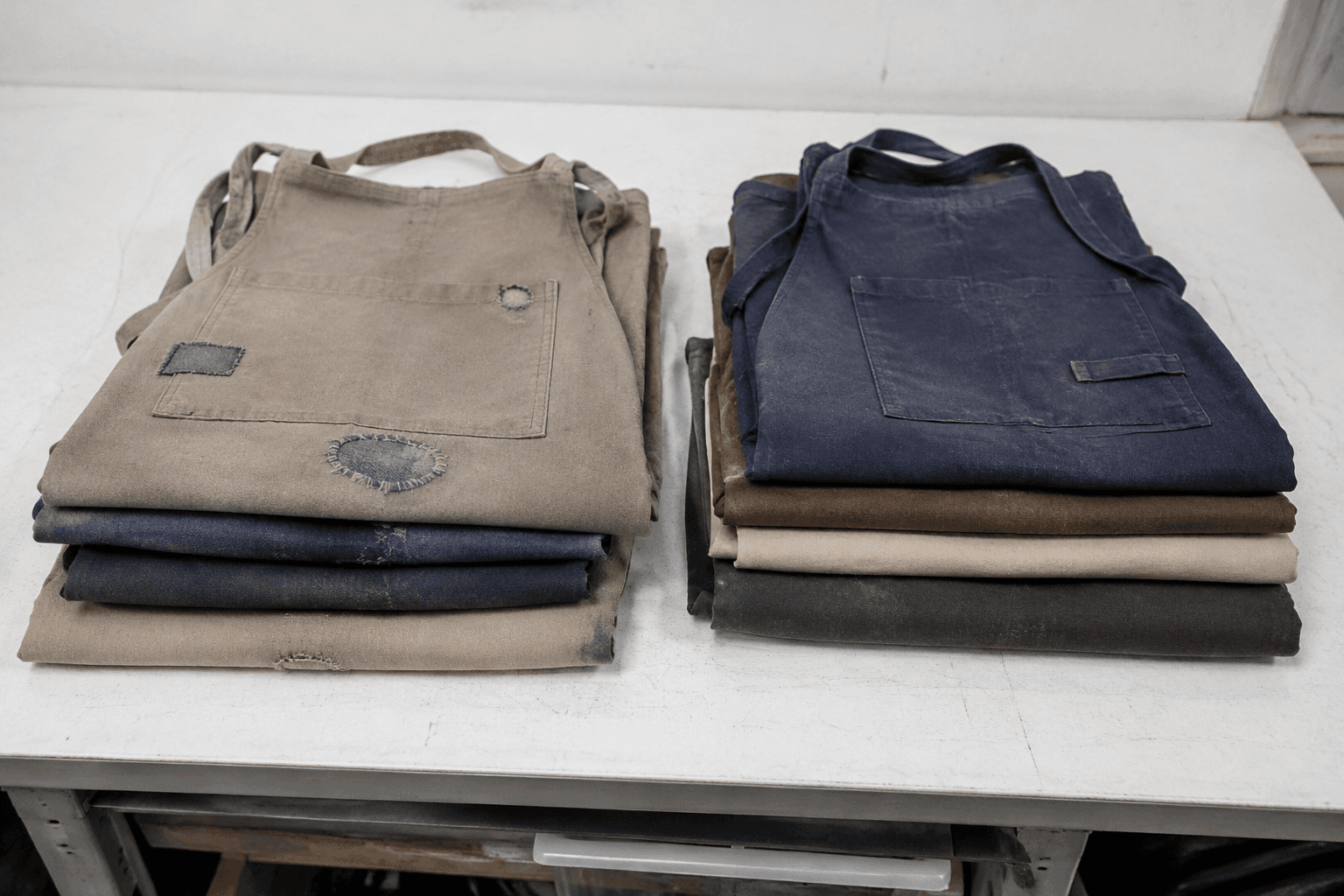
Apron repair and end-of-life recycling for uniform programs
Apron recycling works best when repair, collection, and fabric selection are built into the program before first bulk order. For uniform buyers, the lowest-cost path is usually extend life first, then recycle what is no longer repairable.
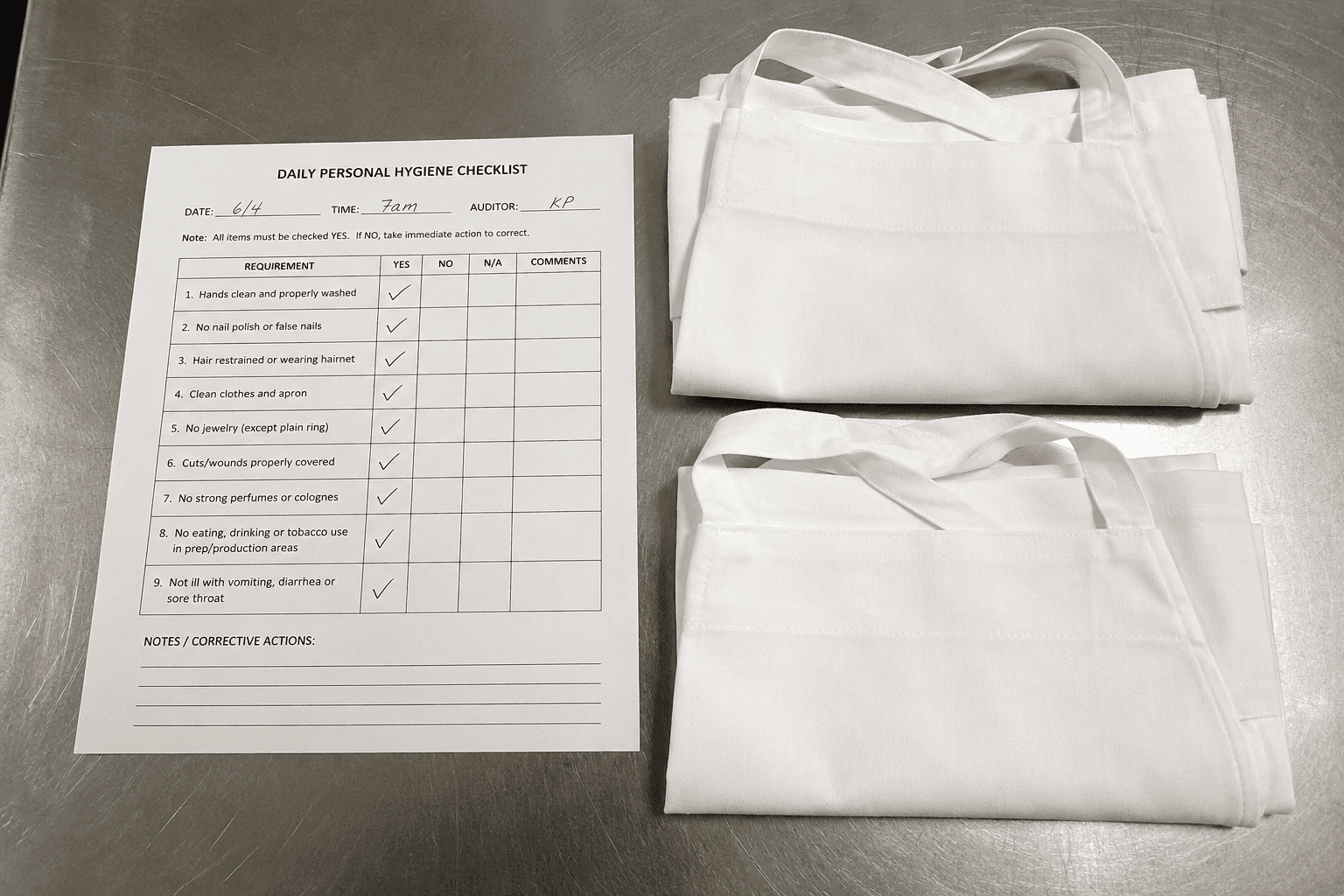
Apron hygiene standards for food service
Apron hygiene food service depends on material choice, wash control, and replacement rules. For bulk buyers, the real risk is not style but whether the apron supports a clean, auditable kitchen workflow.
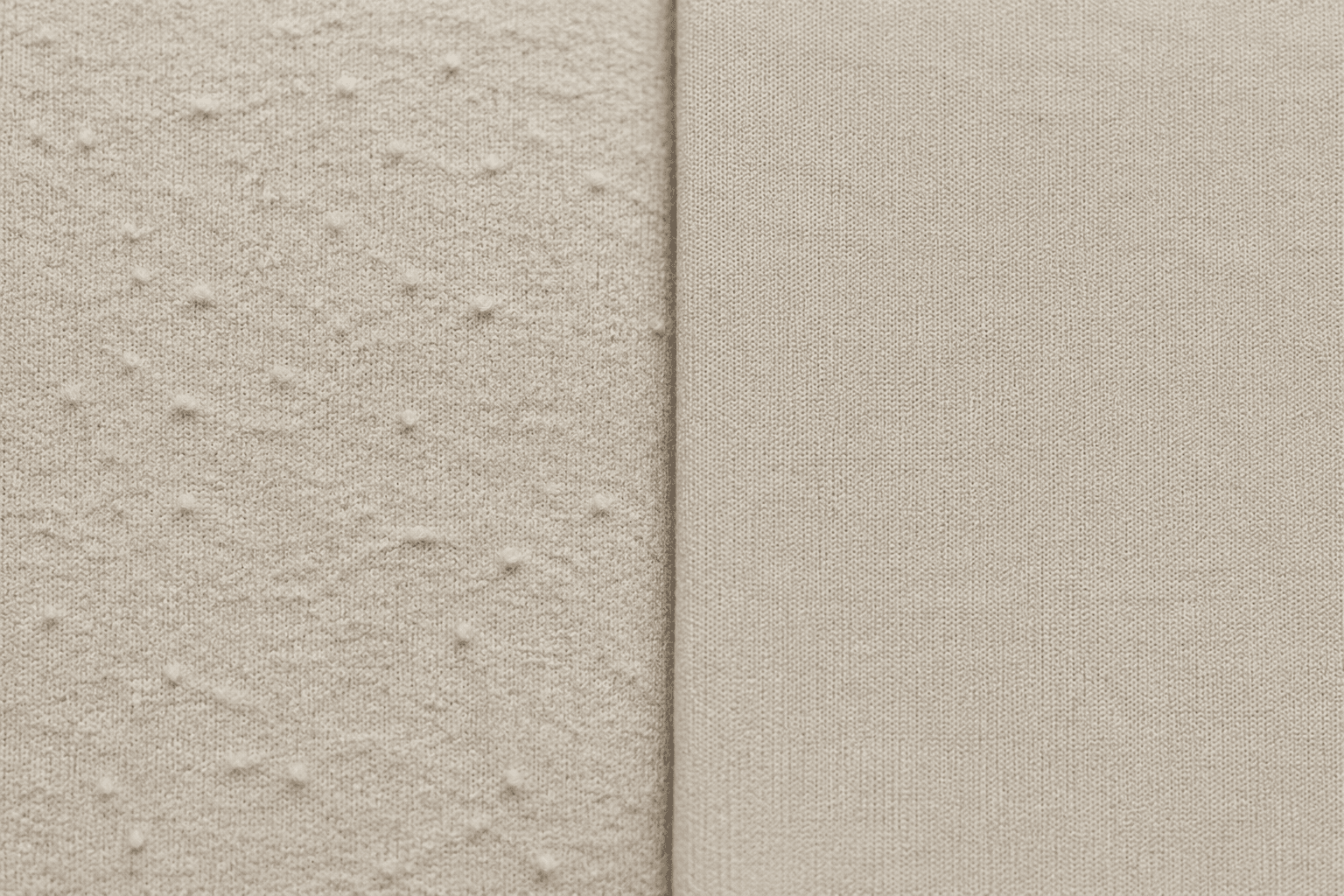
Apron pilling: why it happens and how to prevent it
Apron pilling is usually a fabric-selection problem, not a sewing problem. The right yarn, finish, and test standard can prevent fabric pilling before the first bulk order ships.
Drying and pressing commercial aprons without damaging them
Drying commercial aprons correctly protects size, color, and hand-feel. For bulk orders, drying commercial aprons and pressing aprons must match the fabric, trim, and print method.
CPSIA compliance for children's aprons
Childrens apron compliance under CPSIA depends on fabric chemistry, construction details, labeling, and documented child apron testing before bulk shipment.

OEKO-TEX vs Bluesign for apron textiles: which standard to ask for
For an oeko-tex vs bluesign apron decision, ask which chemical control level your apron textile standard really needs, then match it to end use, fabric type, and order volume.
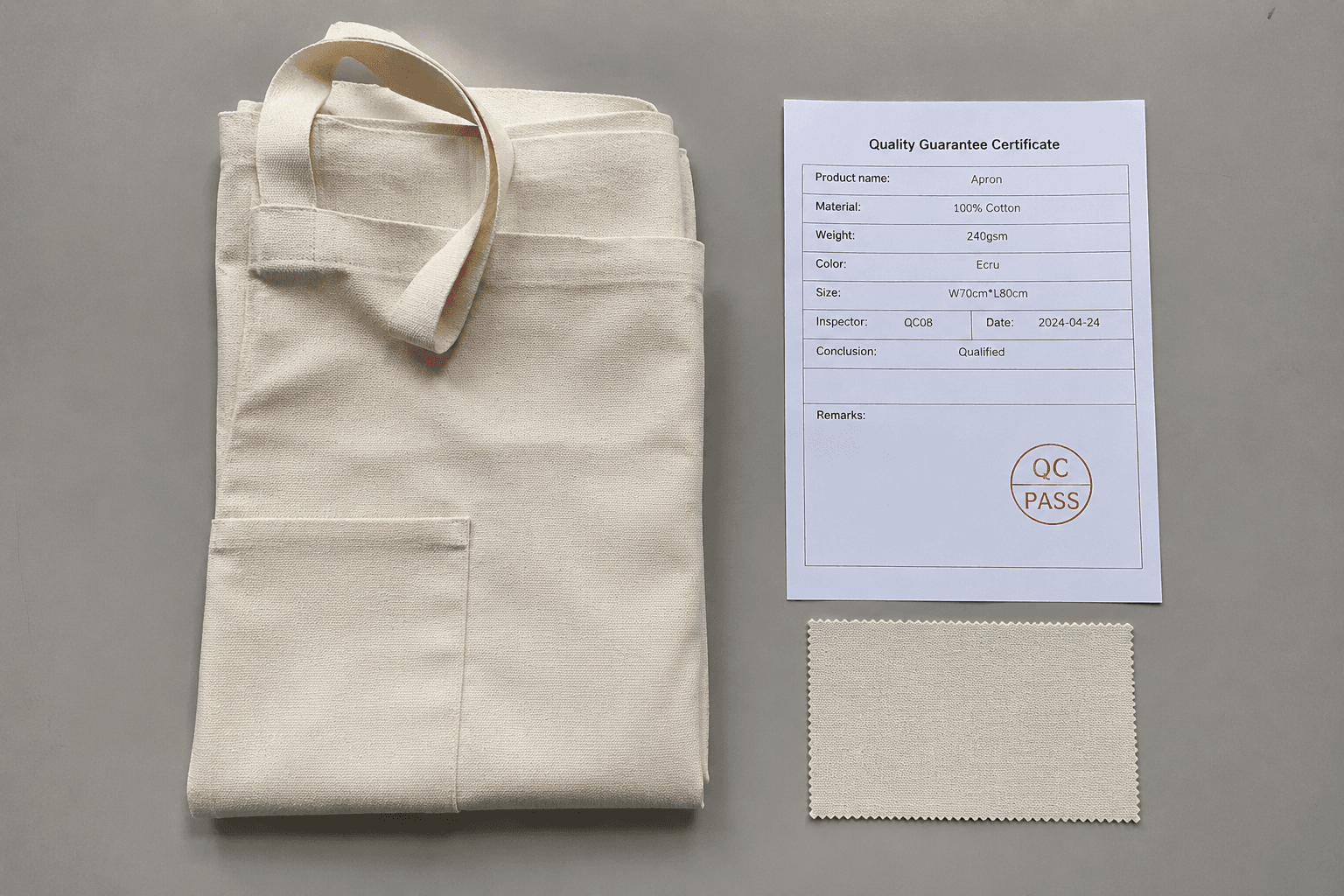
Apron warranties and quality guarantees: what a factory can promise
A practical apron warranty should define measurable defects, inspection timing, replacement limits, and evidence rules before bulk production starts.