For apron sourcing, certification is not only a sustainability topic. It affects fabric availability, dyeing routes, label wording, audit documents, MOQ, cost, and delivery risk. Buyers often ask for a certified eco apron, but the correct route depends on the claim they want to make on the product, hangtag, packaging, and B2B sales sheet.
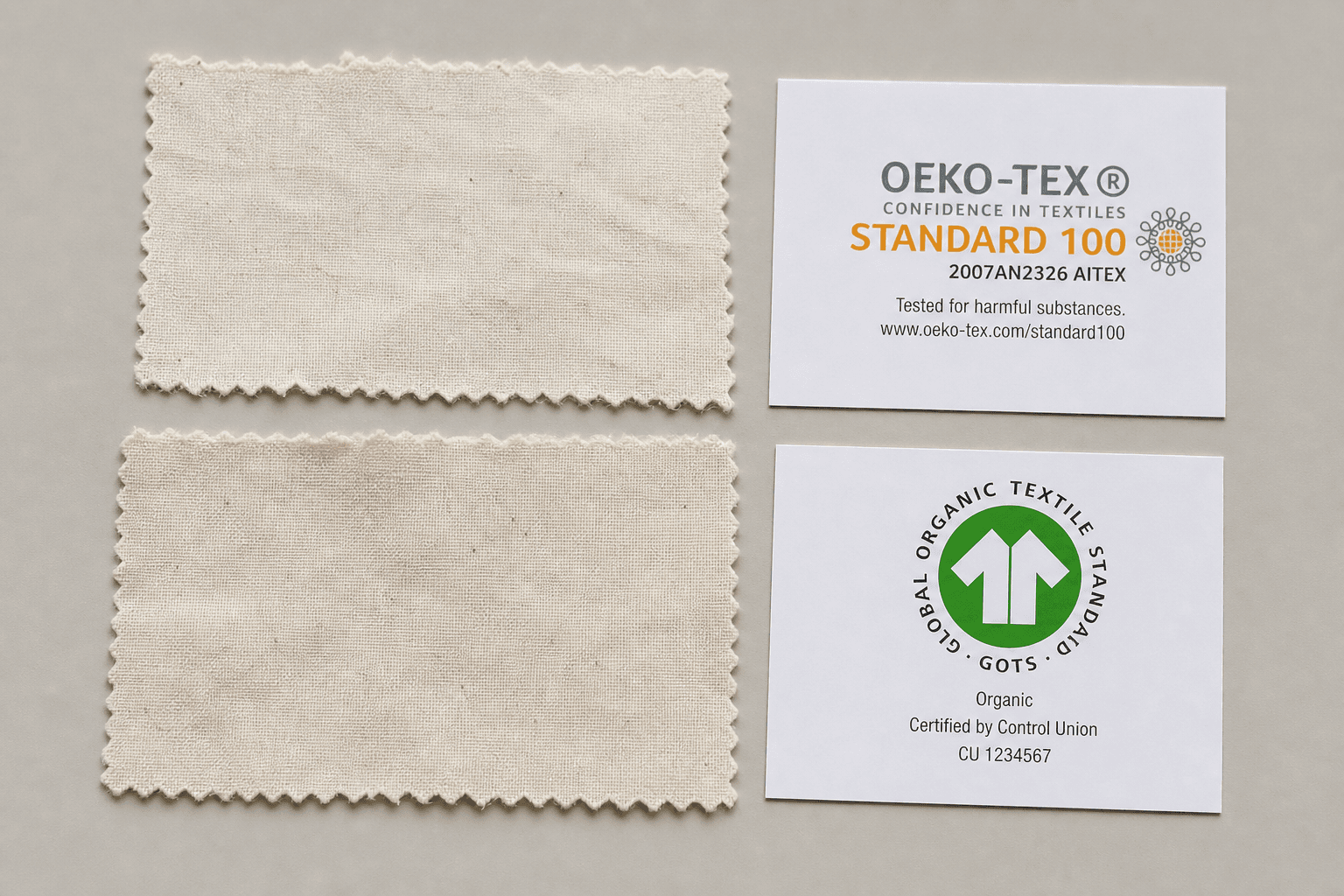
The gots vs grs apron decision is usually simple once the fiber story is clear. GOTS is mainly for organic natural fibers, especially organic cotton. GRS is mainly for recycled content, such as recycled polyester, recycled cotton, recycled polyester-cotton blends, or recycled yarn components. Both can support a sustainable apron claim, but they do not certify the same thing.
From a factory side, the best certification is the one that matches the bill of materials and can be supported through transaction certificates, supplier scope certificates, and controlled production records. If the claim is chosen late, after fabric booking or sample approval, the buyer may face re-sampling, higher MOQ, or a 10-20 day delay.
- GOTS fits organic cotton aprons when the claim is about organic fiber and certified processing.
- GRS fits recycled aprons when the claim is about recycled content in polyester, cotton, or blended yarns.
- A certified apron claim must match the fabric, sewing thread, trims, printing method, and transaction certificate route.
- MOQ is usually higher for certified fabrics, commonly 500-1,000 pcs per color for GOTS cotton and 800-2,000 pcs per color for GRS recycled blends.
- Lead time should include document checking, fabric booking, dye lot control, and certificate application, not only cutting and sewing days.
- For food service and uniform programs, claim clarity matters more than using the strongest-sounding certification name.
GOTS vs GRS apron: start with the claim, not the certificate
The first question should be: what exactly will the buyer claim? If the hangtag says made with organic cotton, the sourcing route is different from a hangtag saying made with recycled polyester. If the product page says certified eco apron without naming the basis, the claim is too loose and creates risk for the brand and the factory.
For aprons, GOTS is normally selected when the shell fabric is organic cotton, such as 7 oz, 8 oz, 10 oz, or 12 oz cotton canvas, twill, or denim. The certification covers organic fiber input and processing requirements under the GOTS system. GRS is selected when the apron contains recycled material, such as 210D recycled polyester, 300D rPET oxford, recycled cotton canvas, or recycled poly-cotton twill.
A common sourcing mistake is asking for GOTS on polyester aprons or asking for GRS on conventional cotton just because the buyer wants a greener product. GOTS and GRS are not interchangeable badges. They support different product stories, different raw material chains, and different document packages.
- Use GOTS when the commercial claim is about organic cotton, organic canvas, organic twill, or organic denim.
- Use GRS when the commercial claim is about recycled polyester, recycled cotton, recycled blended yarn, or recycled trims.
- Avoid broad wording such as eco-friendly apron unless the supporting certification and material content are clearly stated.
- Confirm the claim before sample fabric approval, because certified fabric substitution can change handfeel, shrinkage, color depth, and price.
What GOTS means for organic apron certification
GOTS, the Global Organic Textile Standard, is used for textiles made from certified organic natural fibers. In apron programs, this usually means organic cotton. Typical constructions include 100% organic cotton canvas at 220-360 GSM, organic cotton twill at 200-280 GSM, and organic cotton denim at 260-380 GSM. For bib aprons, 10 oz canvas is common for retail and hospitality. For waist aprons, 7-8 oz twill is often enough and keeps the garment lighter.
For organic apron certification, the buyer must decide whether the final apron itself needs to be sold as GOTS certified or whether certified organic fabric is enough for the internal claim. These are not the same. If the final product is claimed as GOTS certified, the chain of custody must continue through dyeing, printing, cutting, sewing, packing, and transaction certificate issuance. The manufacturer must be in scope for the relevant processing steps, or the certification body may not issue the final TC.
GOTS also controls chemical inputs more tightly than a normal cotton apron order. This affects dyeing, printing paste, finishing, washing, and some accessories. For example, a water-based pigment print may be acceptable only if the chemical input is approved under the relevant system. A PVC patch, non-approved coating, or uncertified synthetic trim may block the final claim. The product developer should therefore confirm pocket labels, neck straps, waist ties, metal eyelets, snap buttons, and packaging before the purchase order is released.
- Typical GOTS apron fabrics are 220-360 GSM organic cotton canvas, 200-280 GSM organic twill, and 260-380 GSM organic denim.
- GOTS is strongest when the buyer wants an organic apron certification claim rather than only a general sustainability message.
- The final apron claim may require certified cutting and sewing, not only certified fabric purchasing.
- Printing, washing, coatings, and trims should be checked before bulk production because non-approved components can break the claim.
What GRS means for recycled apron certification
GRS, the Global Recycled Standard, is used to verify recycled content and control the chain of custody. For apron sourcing, it is common in rPET aprons, recycled polyester-cotton blends, recycled cotton canvas, and sometimes recycled webbing or recycled sewing thread. The buyer's claim should state recycled content correctly, such as made with 65% recycled polyester or contains 30% recycled cotton, instead of implying that the whole apron is recycled when trims or lining are not.
A GRS apron can be lighter and more water-resistant than a GOTS cotton apron if the construction uses recycled polyester oxford or recycled polyester twill. For example, a 300D rPET oxford with PU backing may be around 180-220 GSM and suitable for promotional, cleaning, and light kitchen use. A recycled poly-cotton twill at 240-280 GSM can provide a more uniform-like appearance for restaurant chains. Recycled cotton canvas at 280-340 GSM can give a more natural handfeel but may have more shade variation and higher yarn irregularity than virgin cotton.
For recycled apron certification, the percentage matters. A product with a small recycled trim may not support the claim the buyer expects. In most practical B2B programs, the main fabric should carry the recycled content claim. If the apron body is 70% of the product weight and the straps, thread, and labels are conventional, the final recycled percentage must still be calculated carefully. Buyers should ask the factory for a component weight breakdown at quotation stage if the claim will be printed on packaging.
- GRS is suitable for rPET oxford aprons, recycled polyester twill aprons, recycled cotton aprons, and recycled blended fabric aprons.
- The recycled percentage should be stated by material content and supported by supplier documents.
- A recycled main fabric does not automatically make every component of the apron recycled.
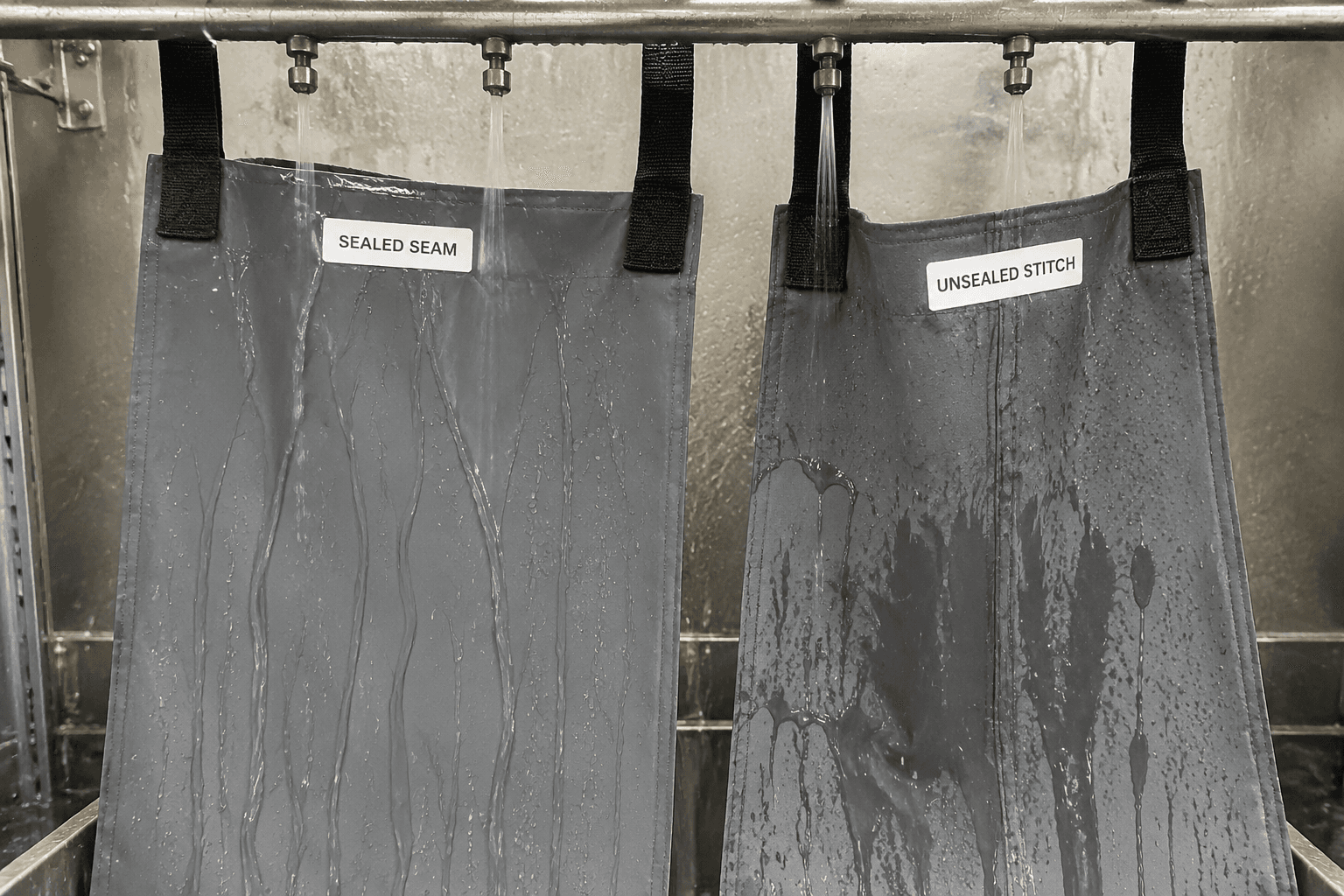
- For waterproof or stain-resistant recycled aprons, coating chemistry and certification scope need early checking.
GOTS vs GRS apron costs, MOQ, and lead times
Certified apron costs vary by fabric weight, color, construction, order quantity, and documentation route. As a working factory estimate, a plain 10 oz conventional cotton bib apron may quote around USD 3.20-4.80 per piece at 1,000 pcs, depending on pockets and packing. A comparable GOTS organic cotton apron may add USD 0.45-1.20 per piece because of certified yarn, dyeing controls, smaller fabric availability, and certificate handling. The increase can be higher for dark colors, enzyme washing, or low quantity custom dye lots.
For GRS, the cost difference depends heavily on the recycled material. A simple 300D rPET promotional apron may be close to conventional polyester pricing, sometimes adding USD 0.15-0.45 per piece at 2,000 pcs. A recycled cotton canvas apron can add USD 0.35-0.90 per piece versus conventional cotton because recycled cotton yarn supply is less stable and may need blending for strength. For high-spec hospitality aprons with metal hardware, reinforced pockets, and branded packaging, the certification cost is often less important than fabric MOQ and accessory compatibility.
Lead time should be planned realistically. Non-certified stock fabric aprons can sometimes ship in 25-35 days after sample approval. Certified custom fabric often needs 40-60 days, and more if the buyer requires lab dips, strike-offs, wash tests, or transaction certificate issuance before shipment. The TC itself may take 5-10 working days after production documents are complete, depending on the certification body and audit status of the chain.
- GOTS organic cotton aprons often need 500-1,000 pcs per color when using available certified greige fabric, and 1,000-3,000 pcs per color for custom dyed fabric.
- GRS recycled polyester aprons often start around 800-2,000 pcs per color, especially when coating, yarn color, or custom fabric weight is required.
- Sample lead time is usually 7-12 days using available certified fabric and 15-25 days if lab dip, printing strike-off, or special washing is needed.
- Bulk lead time is commonly 40-60 days for certified apron programs after approval of sample, color, print, packaging, and documents.
- Transaction certificate application should be included in the project schedule, especially for seasonal retail deliveries.
Apron design details that can weaken a sustainable apron claim
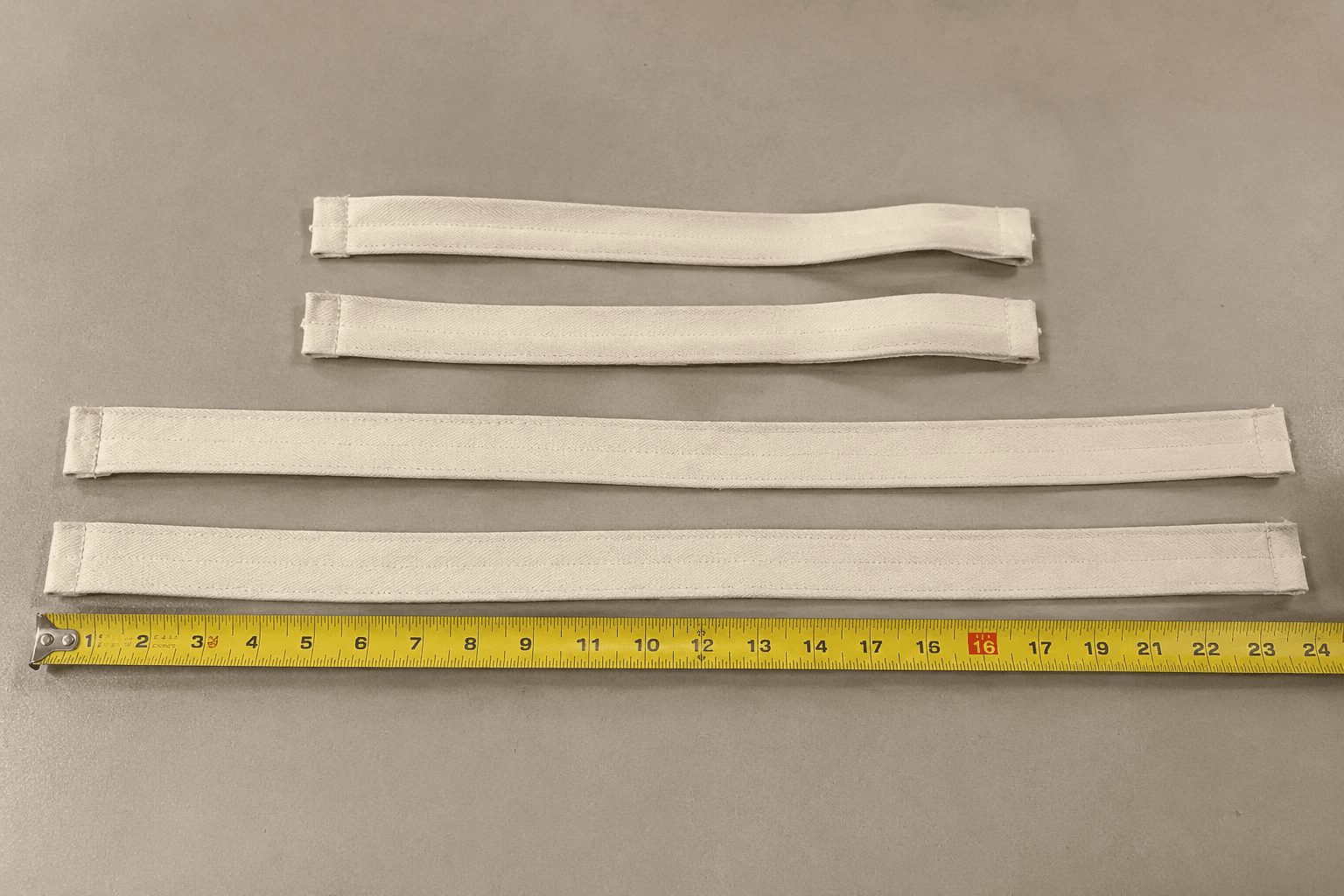
Aprons are not only fabric panels. A bib apron may include neck tape, waist ties, pocket fabric, rivets, buckles, eyelets, embroidery thread, woven labels, care labels, hangtags, polybags, and cartons. When a buyer asks for a sustainable apron claim, each visible and weight-relevant component should be reviewed. The more complicated the design, the more points where the certification route can become unclear.
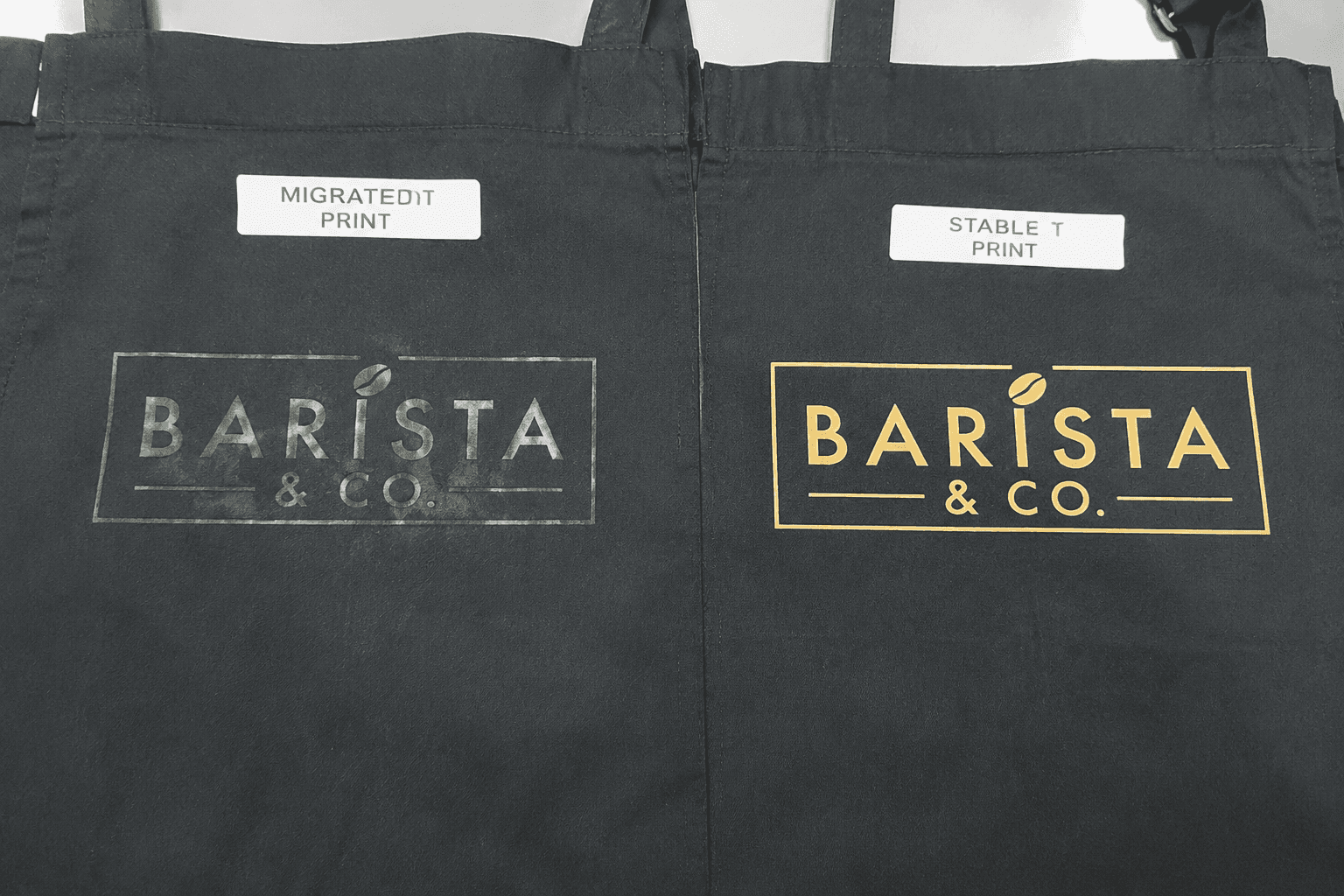
Printing is one of the most common issues. A GOTS organic cotton apron with a large plastisol print may not be accepted for the final certified claim if the ink system is not approved. A GRS recycled polyester apron with sublimation print may be easier on white rPET fabric, but dark fabric requires screen printing or heat transfer, which may add chemical and durability questions. Embroidery is usually manageable, but thread content should be confirmed if the buyer wants a fully aligned claim.
Washing and finishing also matter. Stone wash, enzyme wash, silicone softener, wax finish, PU coating, water repellent finish, and anti-crease treatment can all affect certification acceptance and performance. For restaurant aprons, buyers often request oil resistance or easy-clean performance. This is possible, but the factory should check whether the finish is allowed under the chosen certification system before quoting it as a certified eco apron.
- Neck straps and waist ties should use the same certified fabric or an approved certified tape when the final product claim depends on full chain control.
- Metal hardware is usually possible, but plating, nickel requirements, rust resistance, and certification documentation should be checked.
- Large prints should be approved through ink and paste documents before bulk production, not after the logo position is finalized.
- Pocket lining and contrast panels can change the certified content percentage if they use a different fabric.
- Individual polybags may be acceptable for logistics, but recycled or plastic-free packaging claims need separate confirmation.
Documents buyers should request from the apron factory
For a serious B2B apron program, a certificate PDF alone is not enough. Buyers should check the supplier scope certificate, product category, processing steps, expiry date, and whether the company named on the document is actually the fabric mill, dye house, printer, or garment factory. A certificate that covers yarn trading does not automatically cover finished apron manufacturing.
The key document for certified goods is the transaction certificate. The TC connects the certified material or finished goods to a specific shipment or invoice. Without it, the buyer may have difficulty supporting the product claim during retailer review, customs documentation, or internal compliance audit. For private label apron orders, the purchase order, invoice, packing list, style number, color, quantity, and material description should match the TC wording as closely as possible.
At quotation stage, the buyer should tell the factory whether the TC is required for fabric only or for finished aprons. Finished product TC handling requires the garment factory and relevant subcontracted processes to be within scope or properly linked in the certified chain. This is manageable, but it must be arranged before bulk cutting.
- Request the scope certificate for the fabric supplier and confirm that it is valid during the planned production period.
- Check whether the garment factory is certified or whether it can process certified goods under the required chain-of-custody route.
- Ask for a material composition sheet showing GSM, fiber content, certified percentage, fabric width, and estimated consumption per apron.
- Confirm whether the transaction certificate will cover fabric supply only or finished apron shipment.
- Keep the style name, PO number, color names, and quantity consistent across invoice, packing list, carton marks, and TC application.
How to choose between GOTS vs GRS for different apron programs
For hospitality uniforms, the choice depends on brand positioning and washing requirements. A cafe brand that wants a natural handfeel and an organic story may choose a 280 GSM GOTS organic cotton twill or 320 GSM organic canvas. A large restaurant chain that needs faster drying, color consistency, and lower shrinkage may prefer a 240 GSM GRS recycled polyester-cotton twill. Cotton feels familiar and premium, but polyester blends usually control shrinkage better in repeated commercial laundering.
For retail kitchen aprons, GOTS is often more attractive when the consumer-facing story is about organic cotton and home cooking. Natural canvas, cross-back straps, and simple embroidery fit the claim well. For promotional aprons, GRS often gives better cost control, especially when the buyer needs 2,000-10,000 pcs with logo print and color matching. rPET oxford or recycled polyester twill can keep the unit price competitive while supporting a recycled apron certification claim.
For industrial, cleaning, gardening, and workshop aprons, performance may outweigh the organic story. Water resistance, abrasion resistance, wipe-clean surface, and pocket strength are usually more important than cotton origin. In these cases, GRS recycled polyester with PU backing, recycled polyester canvas, or a recycled blend may be more practical. If the apron must be heat resistant or flame retardant, certification options become more limited and the chemical finish must be reviewed early.
- Choose GOTS for organic cotton retail aprons, natural chef aprons, artisan cafe uniforms, and brands whose claim is centered on organic fiber.
- Choose GRS for rPET promotional aprons, recycled uniform programs, wipe-clean work aprons, and products where recycled content is the main claim.
- Use GOTS cautiously for heavy-duty work aprons if the buyer also needs coatings, strong water repellency, or aggressive washing effects.
- Use GRS cautiously when the recycled content is only a small component, because the final claim may be weaker than expected.
Factory recommendation for a certified eco apron brief
A clear certified eco apron brief should be short but specific. It should state the target claim, certification route, apron type, fabric weight, color count, logo method, estimated quantity, packaging requirement, and required document type. For example: GOTS organic cotton bib apron, 10 oz canvas, black and natural, 1,000 pcs per color, one chest pocket, embroidery logo, finished product TC required. This gives the factory enough information to check fabric availability, certification scope, MOQ, and price.
Another workable example is: GRS recycled polyester waist apron, 240 GSM twill, navy, 3,000 pcs, screen print logo, recycled content claim on hangtag, finished goods TC preferred. This directs the supplier to check recycled yarn content, dyeing route, print compatibility, and whether the finished product claim can be supported. If the buyer only writes sustainable apron, please quote best price, the quotation will be fast but not reliable.
In most cases, the best sourcing result comes from choosing the claim first, then building the apron around it. GOTS and GRS can both support credible apron programs, but they answer different questions. GOTS tells the buyer and customer that the apron is built from certified organic natural fiber under controlled processing. GRS tells them that recycled content is verified through the supply chain. The right choice is the one that makes the product claim accurate, the documents obtainable, and the bulk production stable.
- Send the desired claim wording before sampling so the factory can confirm whether it is supportable.
- Specify fabric GSM or oz, not only fabric name, because canvas can range from 220 GSM to over 400 GSM.
- Separate required certifications from preferred certifications so the supplier can quote realistic options.
- Allow extra time for lab dips, print approval, fabric testing, and TC application when delivery dates are fixed.
- Ask the factory to flag any component that does not match the GOTS or GRS claim before bulk approval.