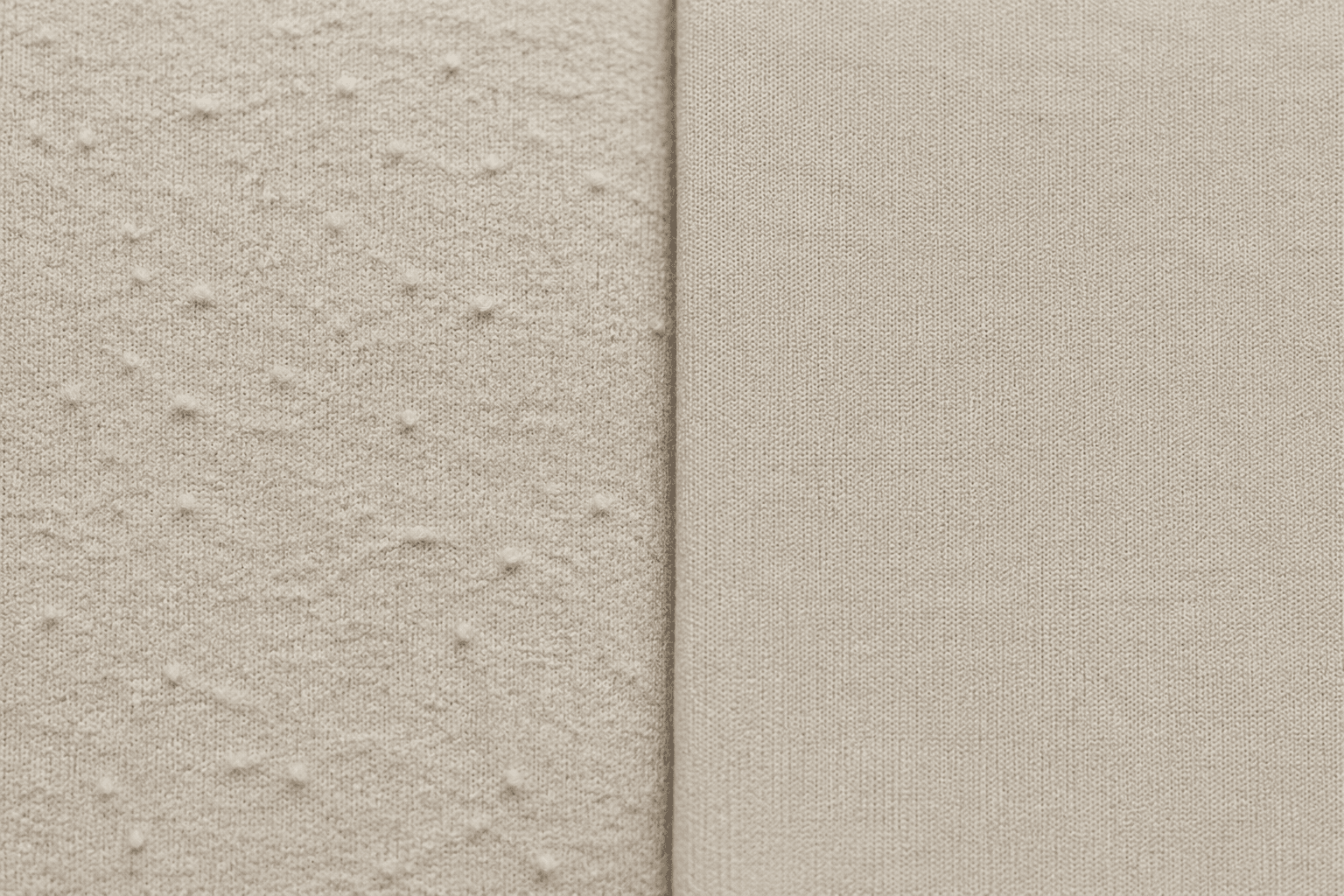
Apron pilling is one of the most common quality complaints we see after a bulk apron program goes into use for 30 to 90 days. Buyers often notice it first on waist aprons, cafe aprons, and denim-style bib aprons where the surface rubs against countertops, belts, and repeated washing. In most cases, the issue starts with fiber length, yarn twist, and fabric construction rather than the sewing line.
For sourcing teams, the practical question is not whether pilling can happen. It is how quickly it will appear, how visible it will be after laundering, and whether the fabric spec can survive the customer’s use case. A 210 gsm cotton twill for a restaurant program behaves very differently from a 280 gsm cotton-poly canvas or a 12 oz denim apron. The fabric may look similar on the sample table, but the wear outcome is not the same.
From a factory point of view, prevent fabric pilling by setting the spec before sampling is approved. Once the fabric type, yarn count, and finish are fixed, the margin for improvement is limited. A durable apron finish can reduce surface fuzz and slow pilling, but it cannot fully compensate for short staple fibers, loose yarn twist, or an unsuitable weave.
- Apron pilling starts with fiber and yarn quality, so the first control point is fabric construction, not stitching.
- Compact yarns, longer staple fibers, and tighter weaves usually outperform loose, low-twist fabrics in abrasion-prone apron programs.
- A pilling test apron spec should name the test method and target grade, not just say "anti-pilling".
- Finishes can improve handfeel and appearance, but they do not fix a weak base fabric.
- For bulk orders, the cheapest fabric is often the most expensive choice once returns, replacements, and brand damage are counted.
Apron pilling: what it is and why it starts
Pilling is the formation of small fiber balls on the fabric surface after abrasion. On aprons, it usually appears on the belly area, pocket edges, hem folds, neck straps, and side ties because those zones see the most friction. When buyers say the apron looks old after only a few weeks, they are usually describing pilling mixed with surface fuzz and color dulling.
The root cause is simple. Short or weak fibers break out of the yarn body, migrate to the surface, then tangle into pills. A coarse apron that looks strong in hand can still pill if the yarn is loosely spun or if the fiber blend uses short-staple cotton with a lot of lint. Repeated washing increases the problem because laundering raises loose fibers before they detach.
In apron sourcing, the risk is highest when the fabric is chosen mainly for low cost or a rustic look. Brushed cotton, cheap poly-cotton twill, low-twist canvas, and some dyed denim blends are common pilling candidates. The same is true for recycled blends with inconsistent fiber length if the supplier does not control the opening and spinning process tightly.
- High-friction zones include pocket openings, waist tie contact points, and the front center panel above the lap.
- Visible triggers include washing at 40-60 C, tumble drying, and repeated rubbing against rough countertops or apron straps.
- Typical weak structures include loose twill, brushed surfaces, and low-twist yarns in 160-240 gsm fabrics.
Which apron fabrics resist pilling best
If the goal is to prevent fabric pilling, the fabric platform matters more than the label on the sample. In general, tightly woven cotton-poly twill and higher-quality canvas perform better than soft brushed cotton because the blended synthetic component improves yarn strength and reduces fiber breakage. Pure cotton can still work well, but it needs better fiber length and better spinning control.
For restaurant and retail apron programs, we usually see the most stable results with 240-320 gsm cotton-poly twill or 10-12 oz denim where the yarn is compact and the weave is firm. A 65/35 cotton-poly twill at 240 gsm often balances durability and wash appearance better than a 100% cotton fabric at the same weight. On the other hand, a 180 gsm light twill may feel pleasant but will usually show pilling sooner in daily service.
Heavier is not automatically better. A 12 oz denim apron can resist visible wear, but if the yarn is coarse and the surface is uneven, pills can still form along seam stress points. The better question is whether the yarn is compact, whether the surface is clean, and whether the finish reduces loose fiber migration. Good apron fabric quality is a system, not a single number.
- Best low-pilling options are compact twill, ring-spun cotton-poly blends, and tightly constructed canvas.
- Higher-risk options include brushed cotton, loosely spun yarns, and short-staple cotton used for a soft vintage handfeel.
- Practical weight range for foodservice and retail aprons is often 220-300 gsm, or about 6.5-8.8 oz, depending on the style and wash target.
Pilling test apron specifications buyers should request
A pilling test apron should be defined with a real test method, a minimum grade target, and a wash condition. Too many purchase orders say only "anti-pilling" or "good quality". That is not enough for a factory to hold the line in production, and it is not enough for a buyer to compare mills fairly.
For woven aprons, common lab references include Martindale, ICI pilling, or random tumble depending on the market and fabric type. The exact method matters less than consistency. If one supplier tests at 2,000 rubs and another at 5,000, the results are not comparable. The PO should define the test, the acceptance grade, and whether the result is measured before or after washing.
In practice, many corporate apron programs target grade 3.5 to 4 after the specified test cycle, while more demanding hospitality programs ask for grade 4 or better. That does not guarantee zero pilling in real use, but it gives the buyer a measurable standard. If the fabric fails badly in the lab, it will usually fail sooner on the floor.
- Ask for the test standard: Martindale, ICI pilling, or another agreed method.
- Ask for the rating: for example, grade 4 after 2,000 or 5,000 cycles, depending on fabric type.
- Ask for wash conditions: household wash, industrial wash, 40 C, 60 C, tumble dry, or hang dry.
- Ask for retention data: appearance after 5, 10, and 20 washes if the program is for repeat-use aprons.
Finishes and construction details that reduce apron pilling
A durable apron finish can help, but it should be treated as a support measure, not a rescue plan. Singeing removes protruding fibers from the surface, which improves first impression and slows early fuzzing. Enzyme and bio-polishing treatments can clean up cotton surfaces, while resin-based finishes can stabilize yarns in some blends. Each option has a cost and a trade-off in handfeel.
For bulk buyers, the strongest practical gains often come from details that are easy to overlook. Tight seam density reduces seam distortion, reinforced pocket openings reduce edge abrasion, and clean cutting reduces loose fibers at the fringe. Even the way a strap is folded and topstitched changes how fast the adjacent fabric starts to pill. A poorly finished apron can fail a good fabric.
The construction spec should also avoid unnecessary friction points. Rough Velcro contact, oversized bartacks in the wrong place, and raw edges hidden inside pockets can all increase abrasion. When the garment is used in kitchens, cafes, or workshops, every contact surface becomes a wear point.
- Singeing is useful for removing surface hairiness on cotton-rich fabrics.
- Pre-wash or garment wash can stabilize appearance, but it may also expose weak yarns before shipment.
- Tighter stitch construction around pockets, hems, and strap joins reduces local abrasion.
- Better cutting and trimming control reduces loose fibers that later become pills.
How to prevent apron pilling in a bulk order
To prevent apron pilling in a production order, buyers should control the fabric, the test, the wash target, and the approval sample. The most efficient workflow is to lock the fabric spec first, then request a lab dip and a pre-production sample using the same lot or a clearly stated equivalent. If the sample is made from a nicer fabric than the bulk order, the program will fail later even if the sample looked good.
A factory quote for a standard custom apron program often changes by only $0.20 to $0.80 per piece when moving from a basic low-twist fabric to a more stable compact twill. On a 3,000-piece order, that is real money, but it is usually much cheaper than replacements, credits, or distributor complaints. Lead time also changes: a standard woven apron order may take 20 to 30 days after sample approval, while specialty anti-pilling finishes or sourced fabric locks can extend the schedule by 5 to 10 days.
The goal is to align the apron fabric quality with the actual use case. A branded retail apron that will be washed once a month can tolerate a different fabric than a chef apron used in a commercial kitchen every day. If the buyer does not define the use pattern, the supplier will default to a generic fabric recommendation that may not be durable enough.
- State the end use: hospitality, barista, retail, workshop, home use, or promo wear.
- State the usage frequency: daily, weekly, or occasional use, plus expected wash count.
- State the fabric target: for example, 65/35 twill at 240 gsm, or 100% cotton canvas at 280 gsm.
- State the approved pilling benchmark: test method, cycle count, and target grade.
- State the acceptable cost band: for example, target FOB within $2.10 to $3.80 per piece depending on trim and printing.
Common sourcing mistakes that lead to apron pilling
The most common mistake is buying the handfeel instead of the performance. A soft, brushed apron often wins the first sample review, but the surface hairiness becomes the pilling problem after washing. The second mistake is assuming that a heavier fabric automatically resists wear. Weight alone does not predict pilling if the yarn quality is weak.
Another common error is approving a sample without a wash-and-wear test. A pilling test apron should be judged after the intended wash cycle, not just under showroom lighting. We also see buyers ignore shade depth and dye quality. Poor dye fixation can make the surface look rougher and exaggerate pilling, especially in black, navy, and dark olive apron programs.
Finally, some programs specify a cheap fabric and then add a durable apron finish later, expecting the finish to solve everything. That rarely works. Once a low-grade yarn starts shedding fibers, the finish can slow the process but cannot stop it entirely. The better approach is to start with a stable weave, then add finishing only if it fits the cost and handfeel target.
- Do not approve samples by touch alone; wash and rub them first.
- Do not rely on fabric weight alone; inspect yarn quality and weave density.
- Do not use finishes as a substitute for base fabric control.
- Do not compare suppliers without the same test method; the numbers will mislead you.