For apron buyers, a BSCI report is not a decoration on a supplier profile. It is a structured view of how the factory manages workers, wages, working hours, health and safety, subcontracting risk and compliance records. When the product is simple, such as a bib apron, waist apron or cross-back apron, buyers sometimes assume the audit is less important. In practice, apron orders are often seasonal, labor-intensive and style-variable, which makes social compliance control very relevant.
A bsci apron factory should be able to explain what its latest BSCI audit covered, what findings were raised, how corrective actions were closed and which production areas were included in the scope. The report is most useful when sourcing managers read it together with factory capacity, apron construction complexity, fabric sourcing plan, MOQ and delivery calendar. A good audit result does not replace product development work, but it reduces the risk that bulk production is made under unmanaged conditions.
This article explains what a BSCI audit normally checks in an apron factory, how buyers should read the report, and what practical questions to ask before placing bulk custom apron orders in China.
- A BSCI report is a social compliance document, not a product quality inspection report.
- The most useful apron factory audit review connects working-hour control with real sewing capacity and delivery dates.
- Payroll, attendance and overtime records are usually more important than showroom claims about compliance.
- A bsci certified factory may still have findings, so buyers should check severity, corrective actions and audit validity.
- Subcontracting control matters for aprons because embroidery, washing, printing and packing can be outsourced.
- BSCI status should be reviewed before sampling, quotation confirmation and mass production scheduling.
What a bsci apron factory audit is designed to show
A BSCI audit is a social compliance assessment based on the amfori BSCI Code of Conduct. For an apron factory, it checks whether the factory has systems to manage labor rights, working conditions, wages, working hours, health and safety, environmental basics and business ethics. It does not certify that a 10 oz cotton canvas apron will pass colorfastness, seam strength or shrinkage testing. It also does not confirm that a quoted FOB price is competitive. Its purpose is to show whether the production environment is controlled and whether the factory can demonstrate compliance through records and site evidence.
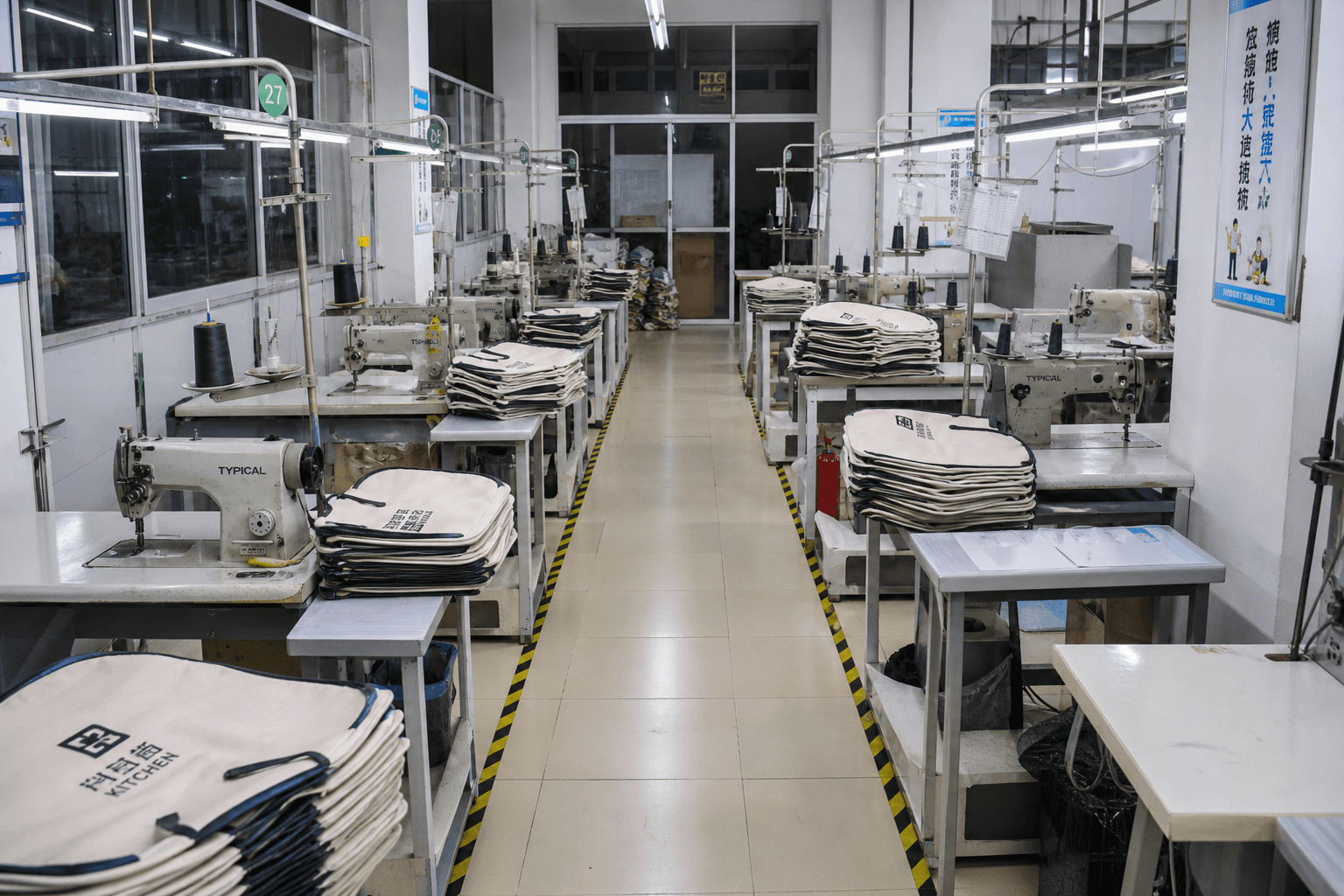
In apron manufacturing, most production is cut-and-sew work supported by fabric inspection, cutting, panel preparation, pocket attachment, waist tie or neck strap making, sewing, trimming, pressing, metal accessory attachment and packing. A BSCI auditor will normally walk through these areas, interview workers and compare what is observed on site with documents such as attendance records, payroll, labor contracts, training records and safety inspection logs. If the factory uses outside embroidery, screen printing, garment washing or special packing, buyers should confirm whether those processes are inside the audited facility or handled by approved partners.
For sourcing managers, the report is valuable because it turns supplier claims into checkable evidence. A factory may say it has 120 sewing workers, 80,000 pieces monthly apron capacity and stable compliance. The audit helps verify whether the workforce is legally employed, whether overtime is recorded, whether exits are clear, whether dormitory conditions are acceptable and whether management understands corrective action. This is especially important when the order is for retail, hospitality chains, food service uniforms or promotional programs where brand compliance teams may ask for evidence before shipment.
- A BSCI audit checks social compliance systems, worker conditions and factory controls.
- It does not replace fabric testing, inline inspection, final AQL inspection or lab testing.
- The audit scope should match the actual apron production site named on the purchase order.
- Buyers should verify whether printing, embroidery, washing and special packing are included or outsourced.
Main report areas buyers should read first
A full BSCI report can be long, and not every section has the same practical impact for apron sourcing. The first pages usually identify the factory name, address, audit date, audit type, auditor information, worker count, production processes and overall rating. Buyers should compare these details with the supplier quotation, business license and factory profile. A mismatch in address or legal name is not always serious, but it must be explained before an order is approved.
The next priority is the findings summary. Many factories have findings, even mature factories. The question is whether the issues are minor documentation gaps or serious risks. For example, missing refresher training records for PPE use is different from blocked emergency exits, unpaid overtime or unapproved subcontracting. In apron production, urgent seasonal orders can create pressure on overtime records, so working-hour findings deserve close attention.
The report should also describe corrective action status. If an audit was conducted 10 months ago and the factory still has open findings, a buyer should ask for the CAP, closing evidence and timing of the follow-up audit. For a new apron program with 30,000 to 100,000 pieces, it is normal to request the latest BSCI report, CAP summary and a written statement confirming that the audited site will produce the order.
- Confirm the audited legal entity and address against the supplier quotation and PI.
- Check the audit date because many brand compliance teams prefer reports issued within the last 12 months.
- Read the finding severity before accepting a factory based only on the overall grade.
- Ask whether corrective actions are closed, pending review or scheduled for follow-up.
- Confirm the audited production scope includes cutting, sewing, finishing and packing for aprons.
Labor contracts, payroll and working hours in apron production
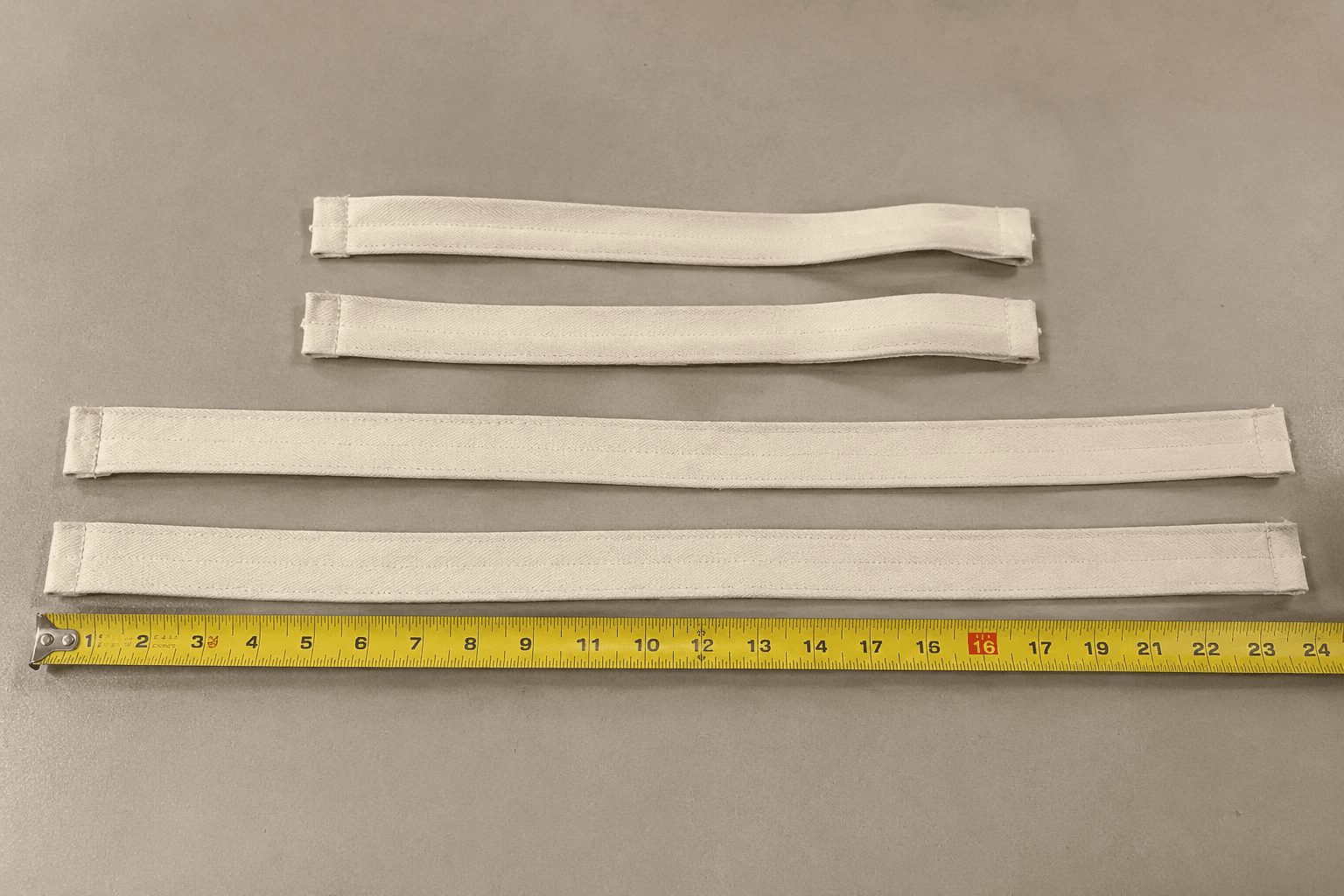
Apron production is less automated than many buyers expect. Even a simple 220 GSM polyester waist apron needs fabric cutting, hemming, tie attachment, pocket positioning, thread trimming and packing. A heavier 10 oz cotton canvas bib apron with rivets, adjustable neck strap and double pockets requires more handling time. Labor control therefore matters directly to compliance and delivery reliability.
In a BSCI audit, labor contracts, personnel files, attendance records and payroll are checked to verify whether workers are legally employed and paid correctly. The auditor may sample several months of records, including peak months. For apron factories in Zhejiang, peak pressure often appears before spring retail launches, summer hospitality openings, Q4 promotional campaigns and pre-holiday shipment windows. If a factory quotes an aggressive 25-day lead time for 50,000 customized aprons with printing and individual polybag packing, the buyer should ask how overtime will be managed within legal and BSCI expectations.
Working-hour findings are common across cut-and-sew factories. They do not always mean workers are underpaid, but they show that planning risk exists. A responsible apron factory should be able to explain normal daily capacity by style. For example, a basic 7 oz cotton bib apron may run at 1,800 to 2,500 pieces per sewing line per day depending on line size and pocket count, while a canvas apron with cross-back straps, metal eyelets and reinforced bar-tacks may reduce output to 600 to 1,200 pieces per line per day. These numbers should align with payroll and attendance records during bulk production.
- Ask for realistic daily output by apron style, not only total monthly capacity.
- Compare promised lead time with fabric arrival date, print approval date and sewing line allocation.
- Review whether overtime findings are isolated, recurring or linked to peak-season planning.
- For repeat orders, request shipment planning at least 45 to 60 days before the required ex-factory date.
- For urgent orders, avoid relying on compliance-approved status if the production plan requires excessive overtime.
Health, safety and facilities checks specific to apron factories
Health and safety findings in apron factories usually relate to sewing floors, cutting rooms, fabric storage, chemical handling, electrical safety, emergency exits, fire equipment and worker training. Apron production does not normally involve heavy industrial risk, but the factory still handles fabric rolls, cutting blades, steam irons, snap machines, rivet machines, packing materials and sometimes printing chemicals. A social compliance apron program should treat these items as normal operational controls, not as audit-day preparation.
A BSCI auditor will check whether exits are marked and unobstructed, whether fire extinguishers are accessible, whether evacuation drills are conducted, and whether first-aid kits are available. In cutting areas, blade safety and floor organization matter. In finishing areas, steam press equipment and electrical wiring should be properly maintained. If the factory does screen printing in-house, chemical storage, ventilation, MSDS records and PPE use become more important. If printing is outsourced, the buyer should ask how the supplier approves and monitors that workshop.
For product developers, safety conditions also connect to product quality. A disorganized trimming and packing area can increase the chance of mixed sizes, loose threads, oil stains or incorrect barcode labels. Fabric storage with poor moisture control can affect cotton aprons, especially 240 GSM to 320 GSM canvas styles packed for long ocean freight. While BSCI is not a quality audit, the site walk often gives useful signals about whether the factory manages routine discipline.
- Check whether cutting tables, sewing lines, finishing, inspection and packing areas were included in the site tour.
- Ask whether the factory uses in-house screen printing, heat transfer, embroidery or washing.
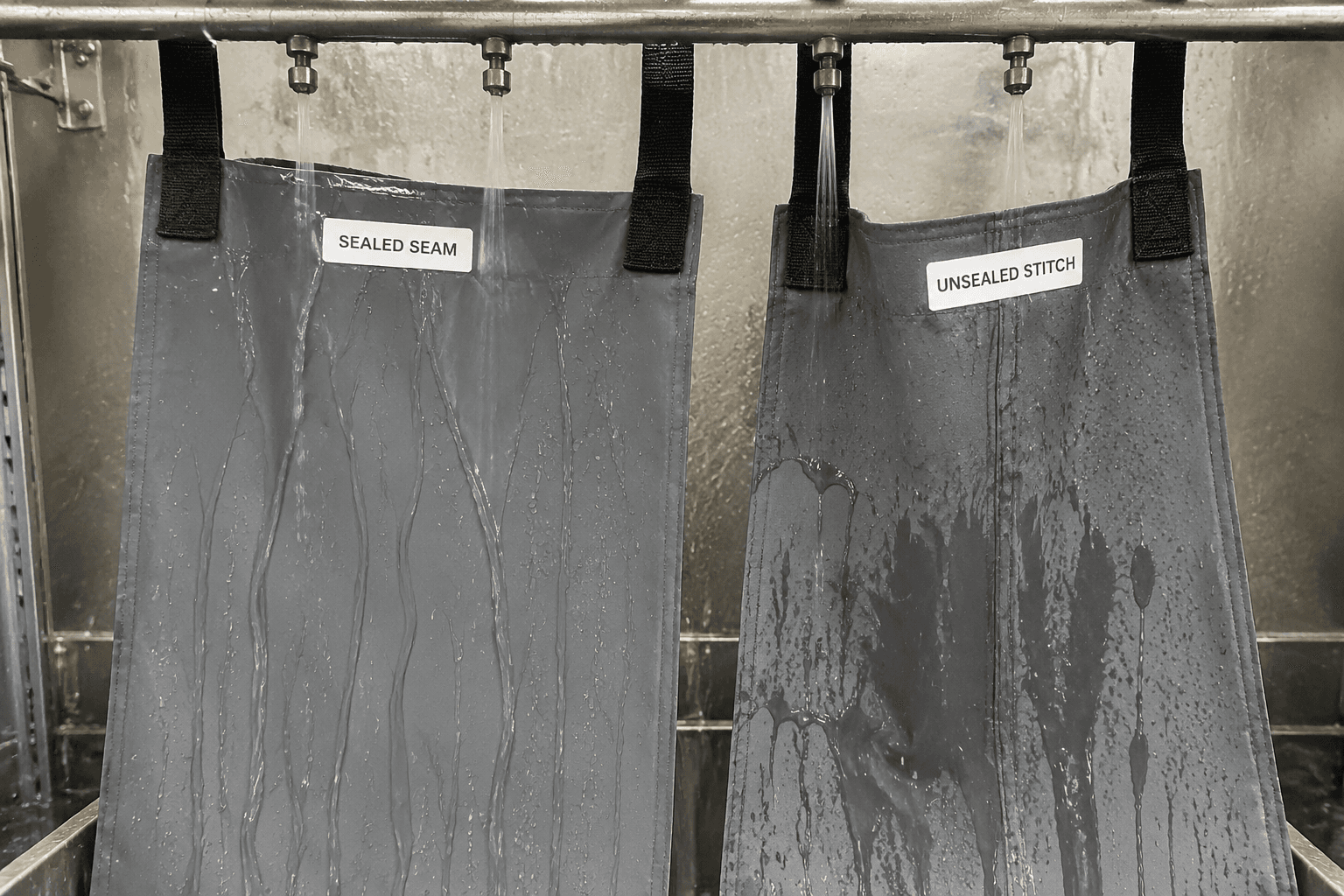
- Verify that chemical handling controls exist if coatings, printing inks, stain-resistant finishes or garment washing are used.
- For cotton canvas aprons, ask how fabric rolls and finished cartons are protected from moisture before loading.
Subcontracting risk in a bsci apron factory supply chain
Subcontracting is one of the most important topics for apron buyers. Aprons often include decoration and finishing steps that are not always performed inside the main sewing factory. Embroidery logos, screen print panels, leather patch attachment, garment washing, pigment dyeing, metal accessory application, retail tagging and gift-box packing may involve outside workshops. A BSCI report for the sewing factory does not automatically cover every partner in the chain.
A mature bsci apron factory should have a subcontractor control procedure. This usually includes supplier approval records, purchase orders, production tracking, quality requirements and, where applicable, compliance documents from the subcontractor. For low-risk trims such as cartons, polybags and generic thread, buyers may only require basic supplier information. For labor-intensive subcontracted work such as embroidery or washing, stronger controls are needed because the work can affect both compliance and delivery.
Buyers should be careful when the quotation is unusually low or the lead time is unusually short. For example, if a supplier offers a 5,000-piece MOQ custom apron order at USD 2.20 per piece FOB for 280 GSM cotton canvas with two-color screen print, metal eyelets and individual retail packaging, the price may only be possible with low fabric weight, simplified construction, outsourced decoration or reduced inspection time. The question is not whether subcontracting is forbidden. The question is whether it is declared, approved and controlled.
- Ask the factory to list all external processes before sample approval.
- Require written approval before any bulk sewing, decoration or packing is moved to another site.
- For embroidery and printing partners, request basic compliance information and production address.
- For larger programs above 50,000 pieces, consider a separate apron factory audit or subcontractor visit.
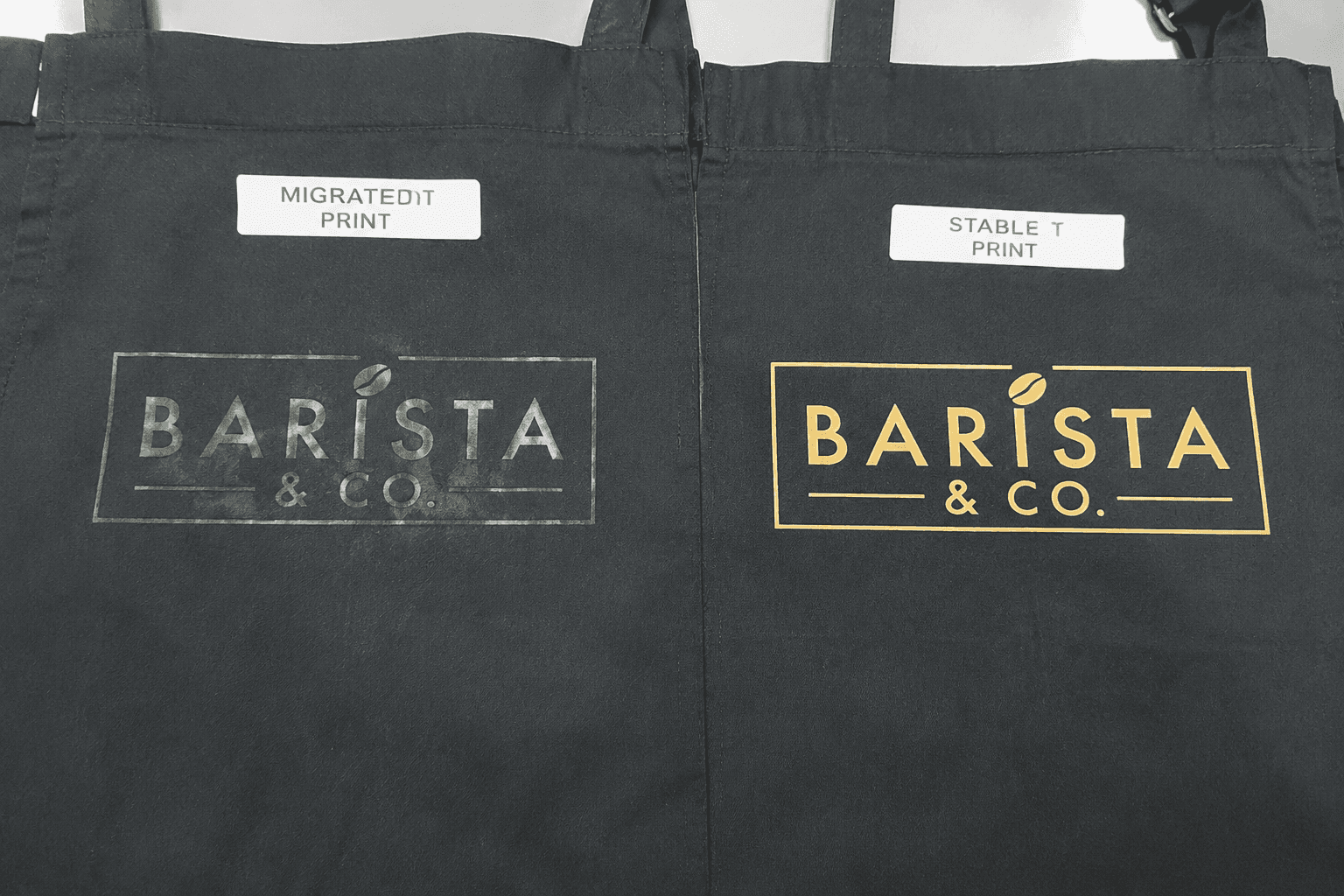
- Match approved artwork, print method and care label requirements to the actual production workflow.
How BSCI status affects quotation, MOQ and lead time
Compliance has cost. A factory that maintains legal employment, proper payroll, safety systems, training records and audit follow-up will usually not be the lowest quotation in the market. For basic promotional aprons, the difference may be USD 0.05 to USD 0.15 per piece compared with a non-audited workshop. For heavier hospitality or workwear aprons with 8 oz to 12 oz cotton canvas, denim, polyester-cotton twill or coated fabric, the compliance cost is usually less visible than fabric, hardware and labor complexity, but it still affects the factory's pricing discipline.
MOQ is also connected to compliance and production planning. A bsci certified factory may accept 500 pieces for sampling or trial orders, but efficient bulk MOQ is often 1,000 to 3,000 pieces per color for standard cotton or polyester aprons, and 3,000 to 5,000 pieces per color for custom-dyed fabric. If the buyer requests organic cotton, recycled polyester, special coating, pantone-dyed straps or customized packaging, MOQ can rise because fabric mills and trim suppliers impose their own minimums. BSCI status does not remove these industrial constraints.
Lead time should be reviewed in stages. A realistic custom apron order may need 5 to 7 days for proto sample, 7 to 10 days for print or embroidery strike-off, 15 to 25 days for fabric procurement if greige fabric is available, 25 to 35 days for bulk sewing after all materials arrive, and 3 to 5 days for final inspection and booking preparation. Rush schedules can work for simple polyester aprons using stock fabric, but they become risky when custom fabric, washing, embroidery or retail packing are involved.
- Expect compliance-managed factories to price based on legal labor cost and controlled overtime.
- For stock fabric aprons, common MOQ can start from 500 to 1,000 pieces per color.
- For custom-dyed cotton or polyester-cotton aprons, practical MOQ often starts from 3,000 pieces per color.
- For complex hospitality aprons, allow 45 to 60 days from confirmed artwork and fabric approval to shipment.
- For peak-season programs, reserve sewing capacity before the final PO if the delivery window is fixed.
Using the BSCI report together with quality controls
A strong BSCI report should be part of supplier approval, but it should not be used alone. Apron buyers still need product-specific controls: fabric weight verification, shrinkage testing, colorfastness, seam strength, print durability, metal accessory pull testing, needle detection if required, packing checks and AQL final inspection. A factory can be socially compliant and still make a poor apron if the technical package is vague or the approved sample is not locked.
For fabric, buyers should specify GSM or ounce weight clearly. A 180 GSM polyester apron, a 240 GSM cotton twill apron and a 12 oz canvas apron have different cost structures and performance expectations. The BSCI audit tells you whether the factory is managing workers properly; the test report tells you whether the fabric meets the product requirement. For food service aprons, buyers may also require stain-release finish, water repellency, high-temperature wash performance or restricted substance compliance depending on market and end use.
The best sourcing process combines social compliance review with technical validation. Before bulk production, confirm the latest BSCI audit, close critical findings, approve PP sample, finalize BOM, lock packaging method and set an inspection plan. During production, use inline inspection for new styles, difficult prints, cross-back strap construction or multi-size programs. Before shipment, conduct final AQL inspection, commonly AQL 2.5 for major defects and AQL 4.0 for minor defects, unless the brand has a stricter standard.
- Use BSCI for social compliance and factory management review.
- Use lab testing for GSM, shrinkage, colorfastness, print wash resistance and restricted substances.
- Use inline inspection for first-time apron styles or complex decoration.
- Use final AQL inspection to confirm workmanship, measurements, packing and carton marks.
- Keep approved samples and audit documents under the same supplier approval file.
Questions to ask before approving an ethical apron manufacturer
The term ethical apron manufacturer should be supported by documents and behavior, not only by wording on a website. Before approving a supplier, buyers should ask practical questions that connect the audit report to the actual order. The answers should be specific: audit date, report number, production address, worker count, monthly capacity, open findings, subcontracted processes, sample lead time, bulk lead time and inspection plan.
For brand buyers, the best time to ask these questions is before price is finalized. If compliance review starts after the PO is issued, the buyer may discover that the audited entity is different from the quoting company, the report is expired, decoration is outsourced to an unapproved site, or the delivery date depends on overtime that the factory cannot properly support. These issues are manageable if found early, but expensive if found after fabric has been cut.
A reliable apron factory will not treat these questions as unusual. It should be ready to provide the BSCI report through the correct buyer-access channel, explain findings, show corrective actions and discuss realistic production capacity. The goal is not to find a perfect report. The goal is to select a factory that understands compliance, plans production honestly and can deliver custom aprons without creating avoidable social compliance risk.
- What is the latest BSCI audit date, rating and audited address?
- Were any findings related to working hours, wages, fire safety or subcontracting?
- Which processes for this apron order will be done inside the audited factory?
- What is the realistic daily output for this apron style after fabric and artwork are approved?
- What MOQ and lead time apply to this exact fabric weight, color and decoration method?
- Can the factory provide corrective action evidence for open or recently closed findings?