For industrial kitchens, cafés, butcher shops, and food service brands, apron care is not a cosmetic issue. It affects replacement rate, uniform appearance, customer perception, and the real cost of ownership. If you need to remove grease stains apron by apron, the right method depends on fabric weight, weave, coating, colorfastness, and whether the apron is cotton, poly-cotton, canvas, denim, or treated with a water-repellent finish.
From the factory side, we see a clear pattern: buyers often focus on stain removal after the apron model is already approved, but the more durable solution starts earlier. A 280 GSM cotton canvas apron will behave very differently from a 210 GSM poly-cotton bib apron with a PFAS-free finish. If the end user uses dish oil, fryer grease, meat fat, coffee syrup, or tomato-based sauces, the cleaning method must be chosen to preserve both the fabric and the brand standard.
This article is written for sourcing managers and product developers who buy custom aprons in bulk from China. It explains how grease and oil stains form, how to degrease apron fabrics without damaging trim or print, what laundry instructions are realistic for commercial use, and what to specify at the sampling stage so apron stain removal does not become a recurring complaint.
- Act quickly: oil spreads into fibers fast, so a 15-minute delay can double the visible stain area on untreated cotton.
- Match the cleaning method to the fabric: a 12 oz canvas apron, a 240 GSM twill apron, and a coated polyester apron should not be cleaned the same way.
- Use pre-treatment before machine wash: detergent alone usually removes surface residue, but not heavy fryer oil embedded in seam lines or pocket corners.
- Avoid heat until the stain is gone: tumble drying can set remaining grease and make apron stain removal much harder.
- Specify care labels during sampling: buyers should require wash-temperature guidance, bleach limits, and dry instructions before bulk production.
- Design for maintenance: darker colors, tighter weaves, removable straps, and stain-resistant finishes reduce replacement cost over a 90 to 180 day service cycle.
Why grease and oil stains are difficult on work aprons
Grease is harder to remove than water-based dirt because it is hydrophobic and migrates into the yarn structure. On a plain weave cotton apron, the oil sits on the surface for a short time, then moves into capillaries in the yarn. On brushed canvas or soft twill, the fibers open up even more, which increases absorption. That is why a fresh oil stain apron mark can still look light for the first few minutes and then become much darker after the fabric settles.
In food service, the stain source matters. Fryer oil, butter, mayonnaise, meat fat, engine grease from catering equipment, and dressing oils all have different viscosity and pigment loads. Darker oils usually leave a more permanent halo, especially on natural beige, khaki, and light gray aprons. Tomato and spice residues often combine with oil and create a compound stain, which is harder to lift than pure grease because there is both lipid and pigment contamination.
From a production perspective, apron fabric construction affects stain behavior more than many buyers expect. A 240 GSM poly-cotton twill may resist shallow staining better than a 200 GSM open-weave cotton because the polyester component slows absorption. A 12 oz canvas apron can be tough and durable, but if it is not finished correctly, it will still hold grease in the deeper yarn structure. The buyer should think about stain removal as part of the material spec, not just as a housekeeping issue after delivery.
- Open weaves absorb faster and usually require stronger pre-treatment.
- Polyester blends release oil more easily than 100% cotton, but only if the stain is treated before heat setting.
- Light colors show residual rings sooner, which increases user complaints even when the fabric is technically clean.
- Seams, pockets, and strap joints trap residue and need extra attention during washing.
How to remove grease stains apron fabrics at the point of use
For restaurant staff and home-style laundering, the best method is to remove excess oil first, then apply a concentrated pre-treatment, then wash at the highest safe temperature for the fabric. On a fresh stain, blot with paper or a clean absorbent cloth. Do not rub aggressively, because friction pushes oil deeper into the yarn and widens the stain edge. If the stain is thick, such as butter, mayonnaise, or fryer splash, lift the residue gently with a dull edge before adding detergent.
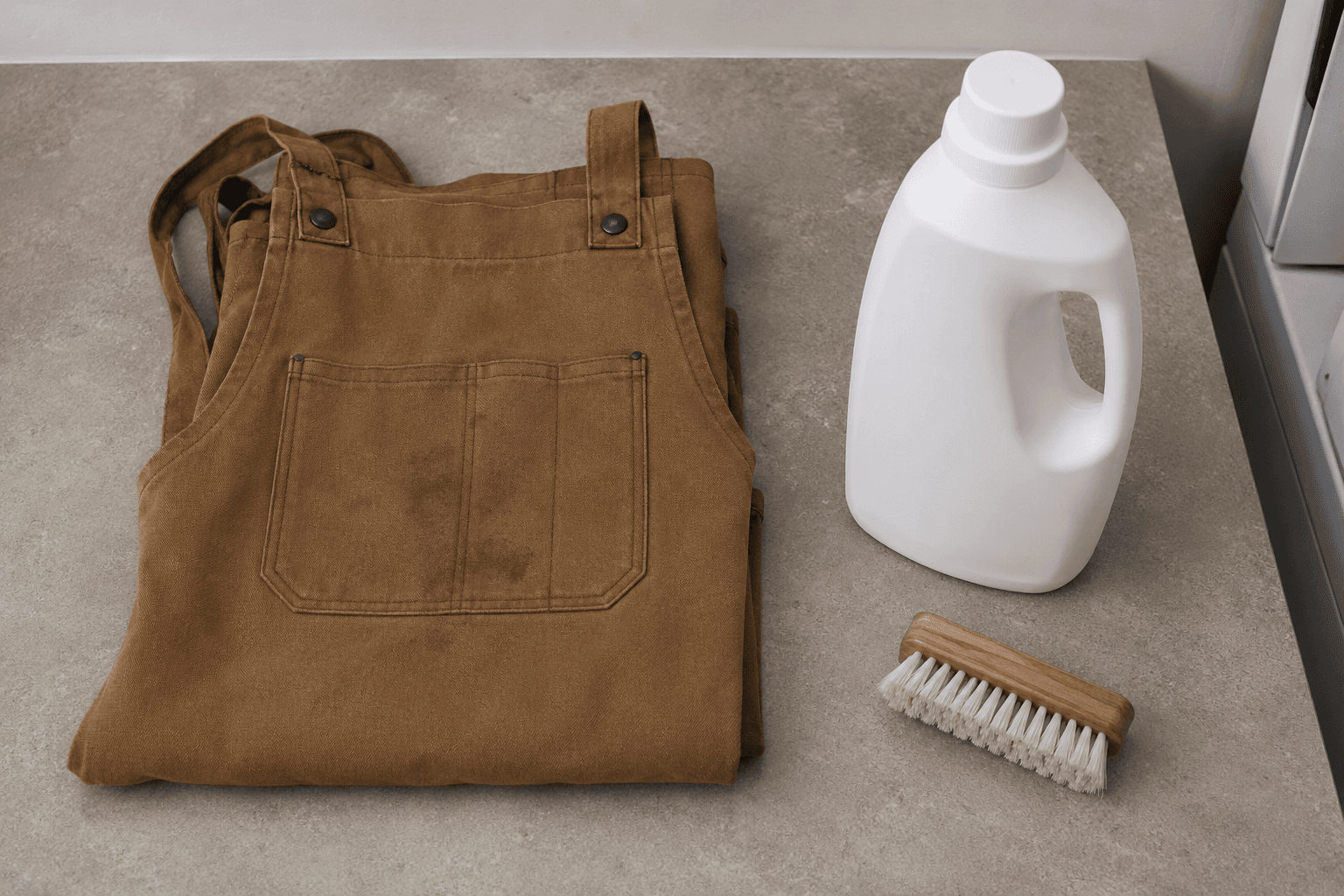
A strong liquid dish detergent or enzyme-based pre-wash is usually effective for grease because it breaks the surface tension and helps release oil from the fiber bundle. Apply a small amount directly to the stained area, work it in lightly with a fingertip or soft brush, and let it sit for 10 to 20 minutes. For cotton or cotton-rich aprons, warm water improves release. For coated aprons or prints, use a milder approach so the coating or decoration is not damaged.
If the stain is old, repeat the treatment before washing. A single cycle often removes the visible ring but leaves a darker residue in the center. That is especially common on apron bib fronts, hem edges, and waist tie areas where users touch the fabric repeatedly. Never put a still-visible oil stain apron into a hot dryer. Heat can bond the grease to the fibers and make the mark semi-permanent.
- Fresh grease: blot, pre-treat, wash, then inspect before drying.
- Old grease: pre-treat twice if needed and use the longest safe soak time.
- Heavy food oil: use a degreasing detergent, not a light laundry liquid.
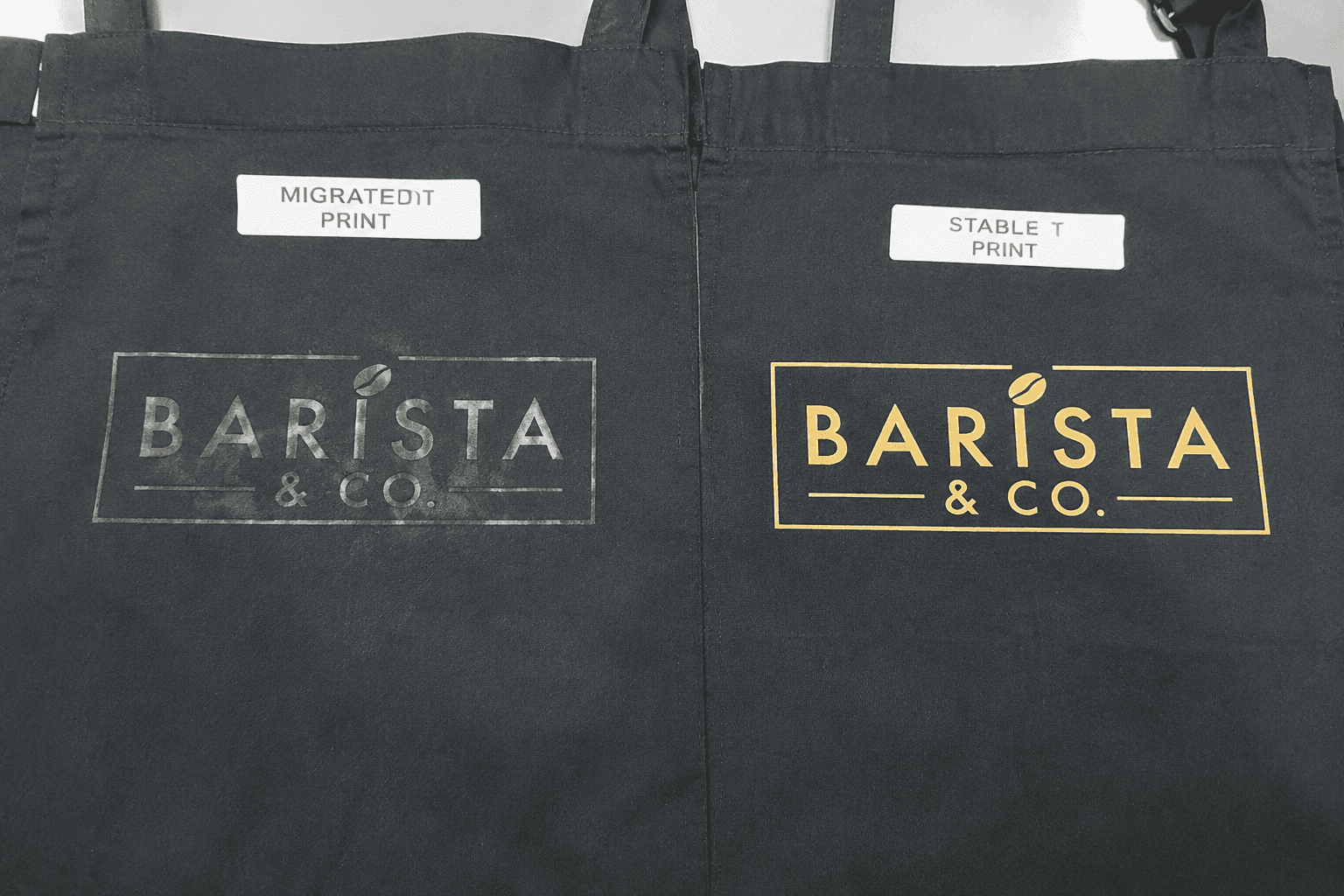
- Printed aprons: avoid solvent spot cleaners unless the print supplier has approved them.
Fabric-by-fabric apron stain removal rules
Different apron fabrics respond differently to cleaning chemistry and temperature. For a buyer ordering 3,000 to 10,000 pieces, this matters because the care method must be simple enough for end users to follow, but safe enough not to degrade the garment over repeated wash cycles. A cheap apron that looks fine after one wash but fails after 30 industrial laundering cycles is more expensive than a better-made apron with a realistic care plan.
100% cotton aprons, especially 200 to 280 GSM drill or canvas, take grease deeply but can tolerate stronger washing. They are usually the easiest to de-stain if the stain is treated quickly and the wash temperature is kept between 40 and 60 C, depending on dye stability. Poly-cotton blends, commonly 65/35 or 80/20 at 190 to 240 GSM, are easier to maintain because polyester releases oil better than cotton, but they can hold visible sheen if grease is not removed before heat drying.
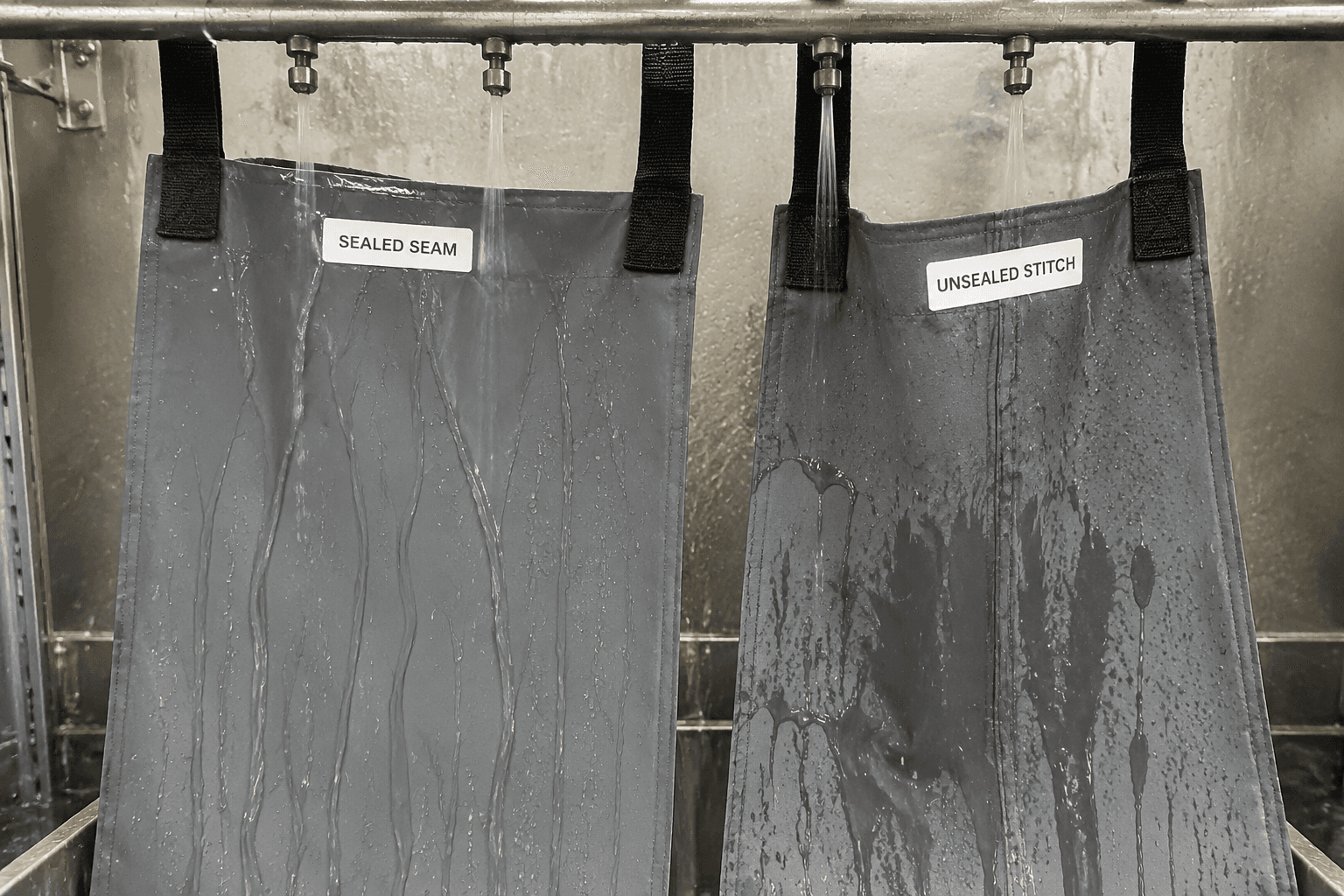
For coated or water-repellent aprons, the cleaning limit is defined by the finish. A PU-coated or waxed surface may resist penetration at first, but once the coating is scratched or worn, grease can sit in irregular patches and create patchy discoloration. Do not assume stain resistance means stain immunity. If the apron is intended for butchery, grilling, or high-oil kitchens, the cleaner specification should be validated during sampling with real soil tests, not only with plain water spray tests.
- Cotton canvas 12 oz: durable and washable, but needs fast pre-treatment and careful drying.
- Poly-cotton 210-240 GSM: balanced for kitchen use, with better oil release and lower wrinkling.
- Denim 10-12 oz: strong and visually premium, but can show greasy shine if not fully degreased.
- Coated aprons: easy to wipe, but stain removal can damage the top finish if harsh solvents are used.
What buyers should specify to degrease apron fabrics at scale
If you are sourcing custom aprons, do not wait until after bulk production to discuss stain care. The best time to solve grease problems is during fabric selection, trim approval, and care-label writing. A factory can recommend a 240 GSM poly-cotton twill with reactive dye for a kitchen uniform line, or a 280 GSM canvas with reinforced stitching for barbecue service, but the buyer needs to define how the apron will be washed in the real world.
A practical spec should include the expected oil exposure level, wash frequency, and acceptable appearance after repeated cycles. For example, a café apron might be washed 3 to 5 times per week, while a butcher apron may need daily wash at 60 C. If the apron is only designed for light front-of-house use, the stain tolerance and cost target can be different from a back-of-house product that sees fryer splashes all day. Care instructions should match the use case, not a generic retail template.
From a cost standpoint, stronger stain resistance often adds a small material premium, but it may reduce replacement and complaint costs materially. A basic 200 GSM cotton apron may land around $1.20 to $2.20 per piece at volume, depending on size, print, and trim. A heavier 240 to 280 GSM custom apron with reinforcement, better dyeing, and a cleaner finish may sit around $2.50 to $4.50 per piece. If it lowers monthly replacement by even 10 to 15 percent, the total program cost can improve.
- Define the washing method: home wash, commercial laundry, or industrial tunnel wash.
- Set a target wash temperature: 40 C, 60 C, or higher if the fabric and dye can hold it.
- Approve a stain test standard: fryer oil, salad oil, butter, and sauce should all be included.
- Write the care label early: changing instructions after PP sample approval creates rework risk.
- Confirm accessory durability: straps, buckles, and metal rings must survive repeated degreasing cycles.
Common mistakes in kitchen apron cleaning and supplier QA
The most common mistake is using bleach or harsh solvent cleaners as a first response. Chlorine bleach can weaken cotton and damage color consistency, while strong solvents may attack print ink, coatings, or PU backing. Another frequent error is washing the apron with towels or lint-heavy items that transfer debris onto the stain area. That does not help with grease, and it can create a false impression that the stain is still present.
Buyers also underestimate the effect of drying temperature. A warm wash is useful for grease release, but a high-heat dryer can lock in remaining residue if the pre-treatment was incomplete. The same problem happens when laundries overload the machine. If the drum is too full, detergent circulation drops, and the grease simply redistributes across the fabric instead of leaving it. For high-volume apron programs, that creates uneven appearance between locations, which brand teams notice quickly.
On the factory side, QA should include practical stain and wash checks before bulk shipment. We recommend checking color fastness after pre-treatment simulation, seam shrinkage after multiple wash cycles, and print adhesion after degreasing. For apron stain removal, the product is only as good as the weakest detail: thread, bartack, label, or finish. A buyer who tests only fabric swatches and ignores assembled samples usually misses the real failure point.
- Do not use chlorine bleach casually on colored work aprons.
- Do not dry first and inspect later; heat can make stains permanent.
- Do not overload washers when the goal is grease removal.
- Do not skip assembled-sample testing, because seams and pocket edges often fail before the main fabric.
Design choices that reduce future grease staining
The easiest way to improve grease performance is to choose a fabric and construction that match the real use environment. Dark navy, charcoal, black, and deep brown hide light residual staining better than beige or off-white. Tight twill weaves and compact canvas constructions reduce the depth of penetration. For kitchen aprons, a smooth surface is usually easier to clean than a fuzzy one, because fuzz traps oil and holds onto sauce residue.
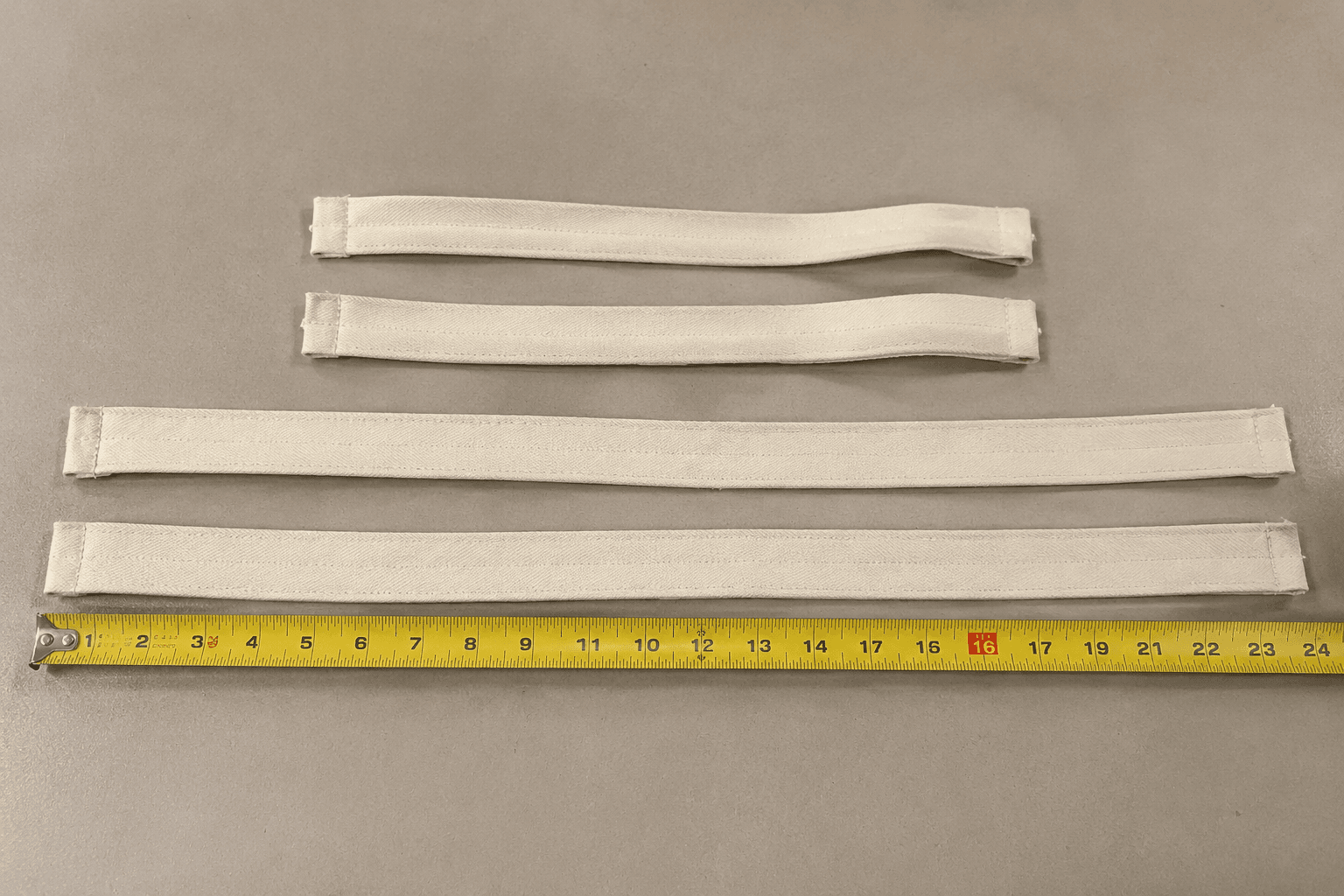
Hardware and finishing also matter. Adjustable neck straps should be easy to remove or at least simple to wash around. Metal fittings need corrosion resistance if the apron will be degreased regularly. In bulk programs, we often suggest reinforced pocket openings with fewer deep folds, because corners collect oil, crumbs, and damp residue. If the buyer wants a retail-ready look but also wants easy maintenance, the product spec must balance appearance and service life carefully.
There is also a commercial trade-off in choosing lighter or darker materials. Light aprons can be attractive for cafés and hospitality brands, but they will generally need more aggressive washing and more frequent replacement once grease accumulation becomes visible. Dark aprons tolerate long service life better, but they can show salt marks, detergent rings, or fiber whitening if cleaned too aggressively. The right answer depends on whether the buyer prioritizes first impression, operational longevity, or the lowest annual uniform cost.
- Prefer tighter weaves for food service programs with frequent oil exposure.
- Choose darker base colors when the brand can accept a less formal palette.
- Limit deep folds and heavy pleats because they hold grease in the creases.
- Specify corrosion-resistant hardware for repeated washing and degreasing.
- Test the stain performance on finished samples, not only on fabric yardage.