For buyers sourcing custom aprons from China, bamboo apron fabric sits in a narrow but useful position between basic cotton canvas and synthetic uniform cloth. It is usually selected when the program needs a softer hand, better drape and a more elevated feel for cafes, specialty retail, gifting or hospitality front-of-house use. In practice, the fabric choice is less about the fiber name and more about how the yarn, weave and finishing are specified at the mill.
A bamboo apron is rarely made from 100% bamboo in commercial orders. Most factory programs use bamboo viscose blended with cotton, polyester or modal to stabilize shrinkage, improve abrasion resistance and reduce cost volatility. For sourcing teams, the real question is whether the final soft apron fabric meets the washing, colorfastness and construction targets for the intended use case. A fabric that feels excellent on a sample table can still fail after ten industrial launderings if the blend ratio or finishing is not controlled.
This article is written from a supplier-side view. It focuses on what changes the apron buyer will actually see in handfeel, drape, sewability, lead time and landed cost. If you are building a seasonal retail line, a branded cafe apron program or a premium gift set, the points below will help you decide whether a bamboo viscose apron or modal blend apron is the right construction.
- Bamboo apron fabric feels softer than standard cotton duck, but softness alone is not a quality spec; GSM, yarn twist and finishing decide whether the apron stays stable in use.
- A modal blend apron usually drapes better than a coarse bamboo-cotton blend and is easier to tune for premium handfeel, but it often costs more per meter.
- For front-of-house aprons, 180-240 GSM is the practical range for a breathable apron material that still hangs cleanly and does not cling.
- Industrial wash performance depends more on blend ratio, pre-shrink treatment and stitching than on the fiber marketing label.
- MOQ for custom bamboo or modal aprons is commonly 300-500 pcs per color, with 30-45 days for fabric development and 25-35 days for bulk production after approval.
- A realistic ex-factory price for a simple bamboo viscose apron is often $3.20-$5.80 per pc, while a more complex modal-blend program with custom trim can move above $6.50 per pc.
Why bamboo apron fabric is selected for premium programs
The main reason buyers choose bamboo apron fabric is comfort. The fiber system, especially bamboo viscose, gives a smoother surface than ordinary ring-spun cotton at similar weight. For staff who wear an apron for an 8- to 10-hour shift, the handfeel difference is visible immediately. This matters most in cafes, bakeries, wine bars, beauty brands and retail staff uniforms where the apron is part of the customer-facing image.
In commercial sourcing, the value is not just softness. Bamboo viscose often has a more fluid drape than dense canvas. That can make the apron look less rigid, which many brands prefer for premium positioning. The trade-off is that excessive drape can make pockets sag and straps twist if the fabric is too light. That is why a good bamboo apron program usually sits in the middle weight range rather than trying to be ultra-light or heavy-duty.
The best use case is a program where the buyer wants a softer, more tactile garment than a standard denim or drill apron, but still needs enough body for logo embroidery, pocket construction and repeated home or commercial laundering.
- Use 180-220 GSM when the apron needs a soft, breathable feel for hospitality or retail.
- Move to 220-260 GSM when the apron includes large front pockets, metal hardware or heavier logo applications.
- Avoid very light constructions below 160 GSM unless the apron is for decorative or low-wear use.
- Ask for pre-shrunk or enzyme-finished fabric when the customer will wash weekly or daily.
Modal blend apron vs bamboo viscose apron: what changes in production
A modal blend apron is usually easier to control in repeat production than a pure bamboo viscose version. Modal, like bamboo viscose, is a regenerated cellulose fiber, but it tends to offer more consistent wet strength and a slightly cleaner drape after washing. In practical factory terms, it can be a better base for premium aprons that need a smooth appearance without looking too limp.
The difference becomes visible in the finishing stage. Bamboo-rich fabrics can feel exceptionally soft, but they may also pill earlier if the yarn is low twist or if the blend leans too far toward viscose. Modal blends often tolerate better abrasion in high-contact zones such as waist ties, pocket edges and neck straps. That makes the fabric useful for long-life apron programs in cafes and chef-adjacent service environments.
From a sourcing perspective, neither option is automatically superior. The right choice depends on what the buyer is optimizing for. If tactile softness is the top priority, a bamboo viscose apron can be attractive. If wash stability and repeatability matter more, a modal blend apron may be the safer commercial spec.
- Choose bamboo viscose when the brief emphasizes softness, retail appeal and a natural-fiber story.
- Choose modal blends when the brief emphasizes shape retention, color consistency and longer service life.
- Use 70/30 or 60/40 cellulose-to-cotton blends when you need softness with more structure.
- Use a small polyester percentage only if the brand accepts a more technical handfeel in exchange for better durability.
Soft apron fabric weights, drape and construction limits
The most common mistake in apron sourcing is asking for a soft fabric and forgetting the physical load the apron will carry. A garment can feel excellent in hand at sample stage and still fail once you add metal rivets, reinforced pockets, embroidery and daily laundering. For that reason, the fabric weight should be set from the function first, not from the fiber trend.
For a breathable apron material intended for front-of-house staff, the practical range is usually 180-240 GSM, which is roughly 5.3-7.1 oz. Below that range, the apron may feel too light and wrinkle too easily. Above it, the fabric may still be comfortable, but the drape becomes stiffer and the garment starts to behave more like a work apron than a hospitality apron.
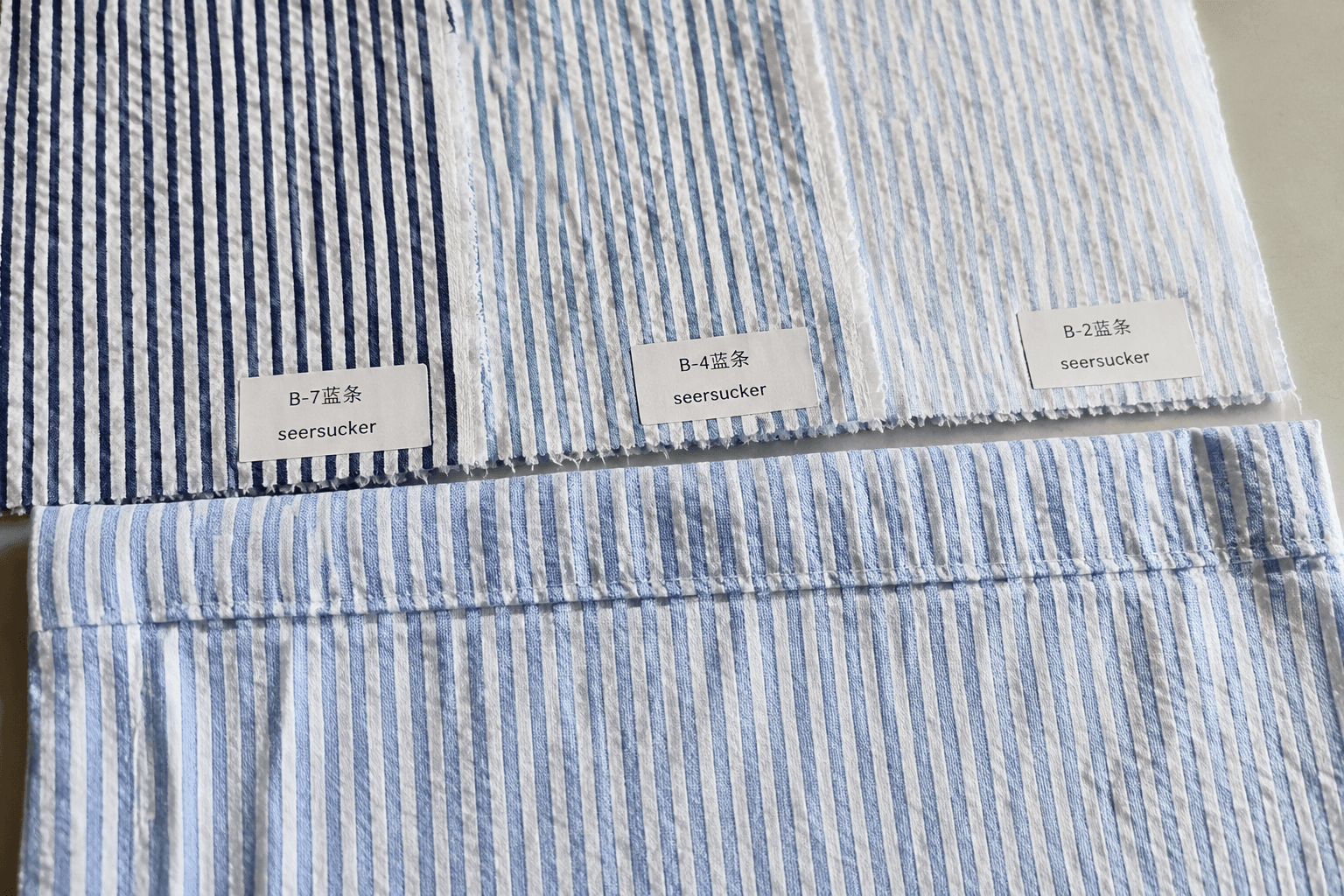
The weave also matters. Twill gives more structure and hides wear better than plain weave. Plain weave can feel lighter and cleaner, but it may show creasing more quickly. If the buyer wants a premium soft touch without sacrificing shape, a fine twill with a brushed or enzyme-washed finish is often the most balanced spec.
- 180-200 GSM: good for boutique cafes, promotional aprons and lighter retail use.
- 210-240 GSM: better for standard commercial aprons with pockets and regular wash cycles.
- 250 GSM and above: suitable only when the brand wants heavier body and accepts reduced drape.
- Twill is usually safer than plain weave when the apron needs to hide abrasion marks.
Durability risks in a bamboo apron program
A bamboo-based apron is not weak by definition, but the failure modes are specific. The first risk is pilling on high-friction zones, especially if the fiber blend contains too much viscose and too little stabilizing fiber. The second is seam distortion after repeated wash and dry cycles, where the fabric stretches unevenly around the waist and neck straps. The third is color fading if the dyeing process is not matched to the fiber content.
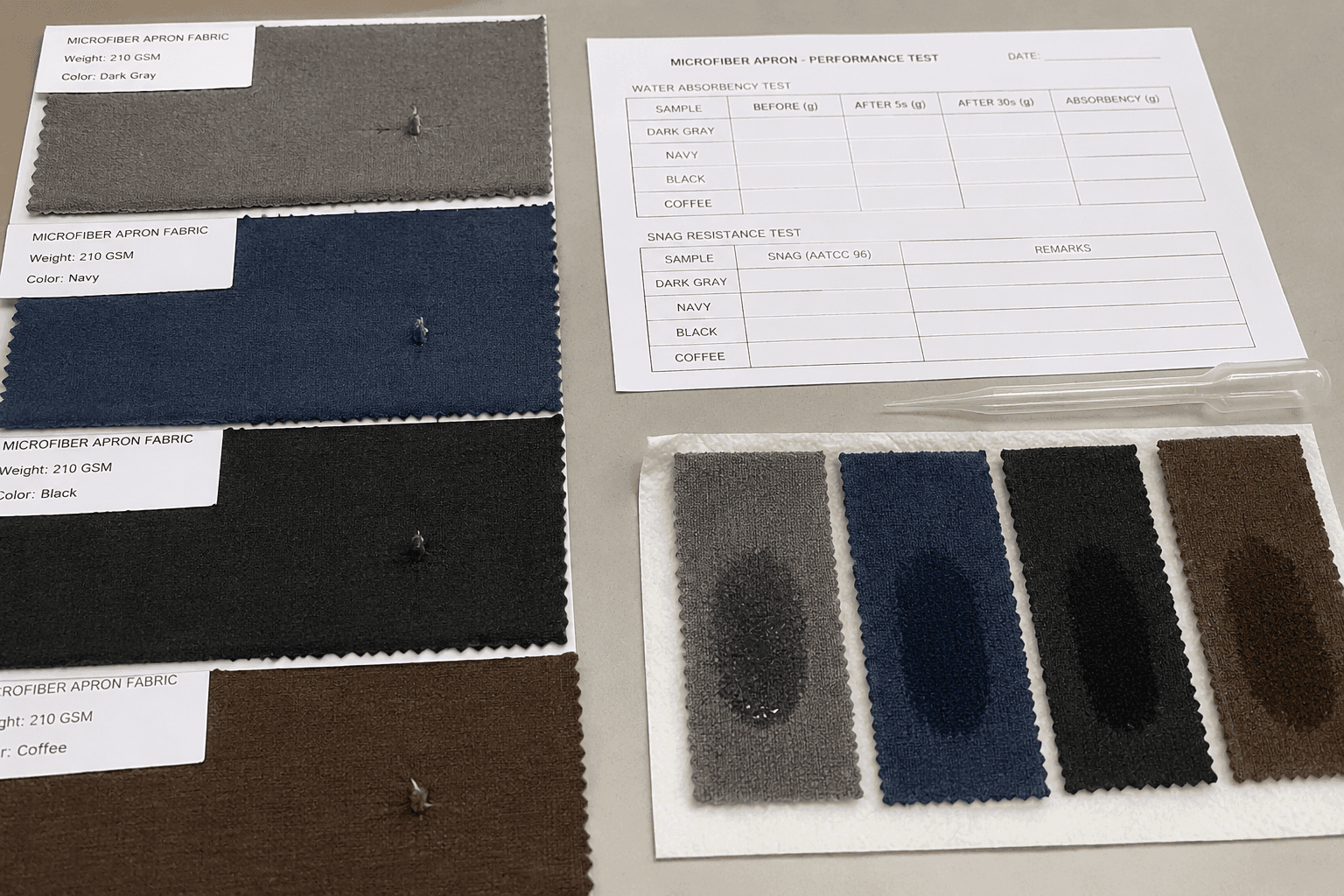
For bulk buyers, the test data matters more than the sample feel. A decent commercial spec should survive at least 20-30 home wash cycles with acceptable color retention and limited surface pilling. For foodservice or uniform accounts, factory testing should also include seam slippage, dimensional change and hardware corrosion. If the apron uses metal buckles or snaps, the buyer should ask for salt-spray or corrosion-resistant finishes because soft fabrics tend to be paired with premium-looking metal components that can create complaints if they rust.
The safest approach is to specify performance, not just composition. A fabric callout that only says bamboo or modal is too vague for a real bulk order.
- Request shrinkage targets within 3% lengthwise and 3% widthwise after washing unless the program allows more.
- Ask for colorfastness at grade 4 or above for washing and dry rubbing when the apron is dark colored.
- Specify anti-pilling performance if the apron will be used in retail, hospitality or salon settings.
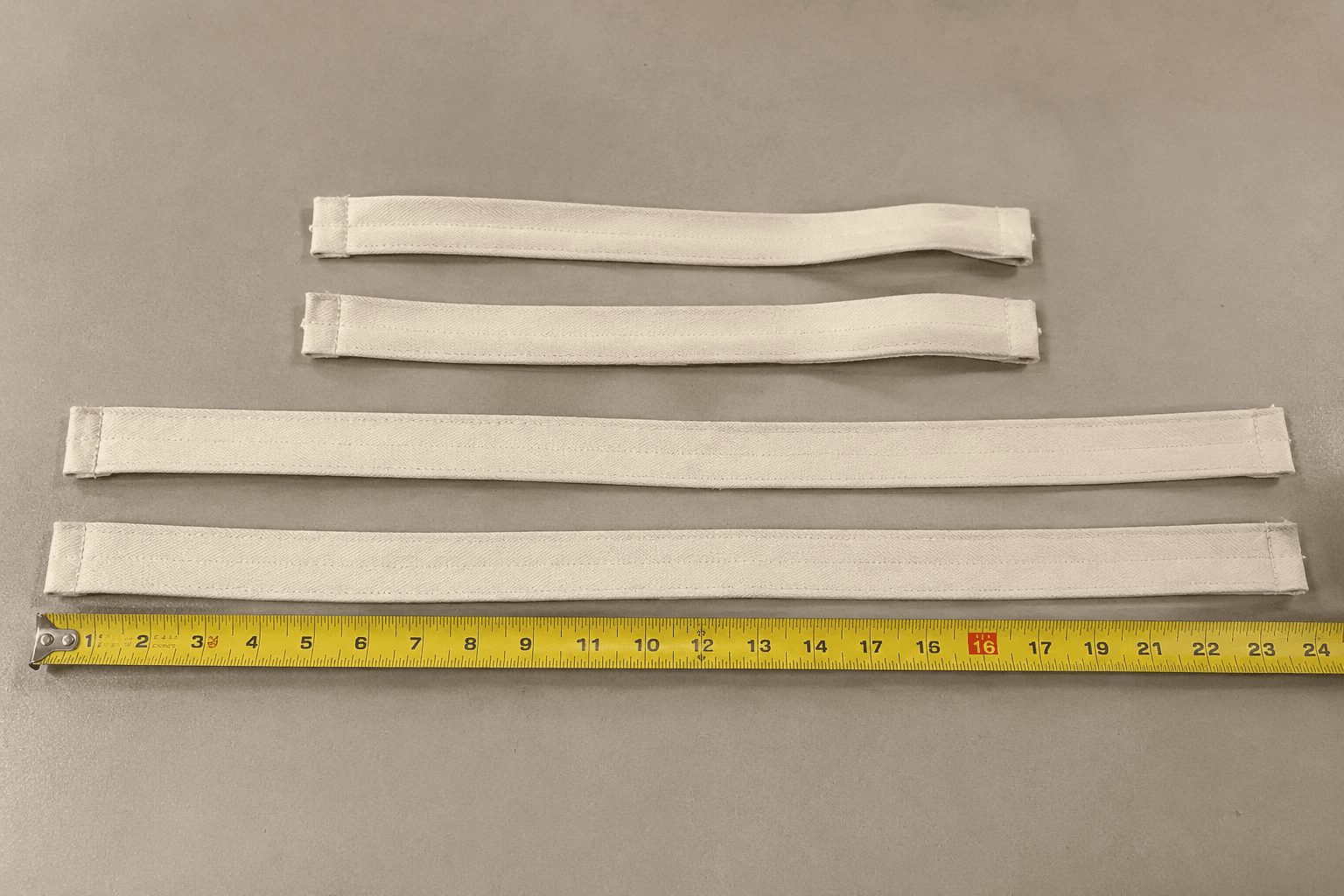
- Use bar-tacks at stress points and double-needle construction on pockets and straps.
MOQ, lead times and pricing for bamboo apron fabric orders
For custom apron programs, MOQ is usually driven by fabric dyeing, print setup and trim sourcing. For a standard bamboo viscose apron in one color, a realistic MOQ is 300-500 pcs per color, with some factories willing to start at 200 pcs if the buyer accepts a higher unit price. If the program uses special yarn-dyed fabric, custom weave or unique hardware, the order may need to start at 800-1,000 pcs per color to avoid inefficient mill runs.
Lead time should be planned in two stages. Fabric development, lab dips and sample approval usually take 30-45 days. Bulk production then takes another 25-35 days after final approval, assuming trims are available and the factory is not entering a peak season. If the buyer wants embroidery, woven labels, custom packaging and multiple colorways, a 60-75 day calendar from approval to shipment is more realistic than a 30-day promise.
On price, a simple bamboo viscose apron with basic waist ties and one pocket might land around $3.20-$4.20 per pc ex-factory at moderate quantities. A cleaner retail-grade version with better stitching, custom label and heavier fabric can move to $4.50-$5.80 per pc. A modal blend apron with higher-grade finishing, branded hardware and detailed trim can sit in the $5.50-$7.50 range depending on order size and fabric availability.
- 300-500 pcs per color is the common starting point for standard custom bamboo apron orders.
- 30-45 days is typical for fabric development and sampling before bulk approval.
- 25-35 days is typical for bulk sewing once trims and fabric are confirmed.
- $3.20-$5.80 per pc is a practical ex-factory range for many bamboo-based aprons, with modal blend programs often priced higher.
How to spec a bamboo apron fabric program without quality drift
The best sourcing documents are specific enough to remove interpretation. If the buyer wants a soft apron fabric, the tech pack should define fiber ratio, construction, GSM, shrinkage, colorfastness, stitch density and hardware finish. Without those details, two factories can quote the same bamboo apron and deliver very different products. One may supply a soft but flimsy apron, while another may overspec the fabric and create a costly, stiff garment that no longer matches the brief.
A good starting spec for a premium hospitality apron might be 60/40 bamboo viscose-cotton at 210 GSM, enzyme-washed finish, pre-shrunk within 3%, reinforced pockets, 2.5-3 cm bar-tacks and colorfastness at grade 4 or above. If the buyer wants more structure, a modal blend apron could be set at 70/30 modal-cotton or modal-polyester at 220-240 GSM with a slightly tighter weave. That gives a more consistent hang, better recovery and less wrinkling during shift wear.
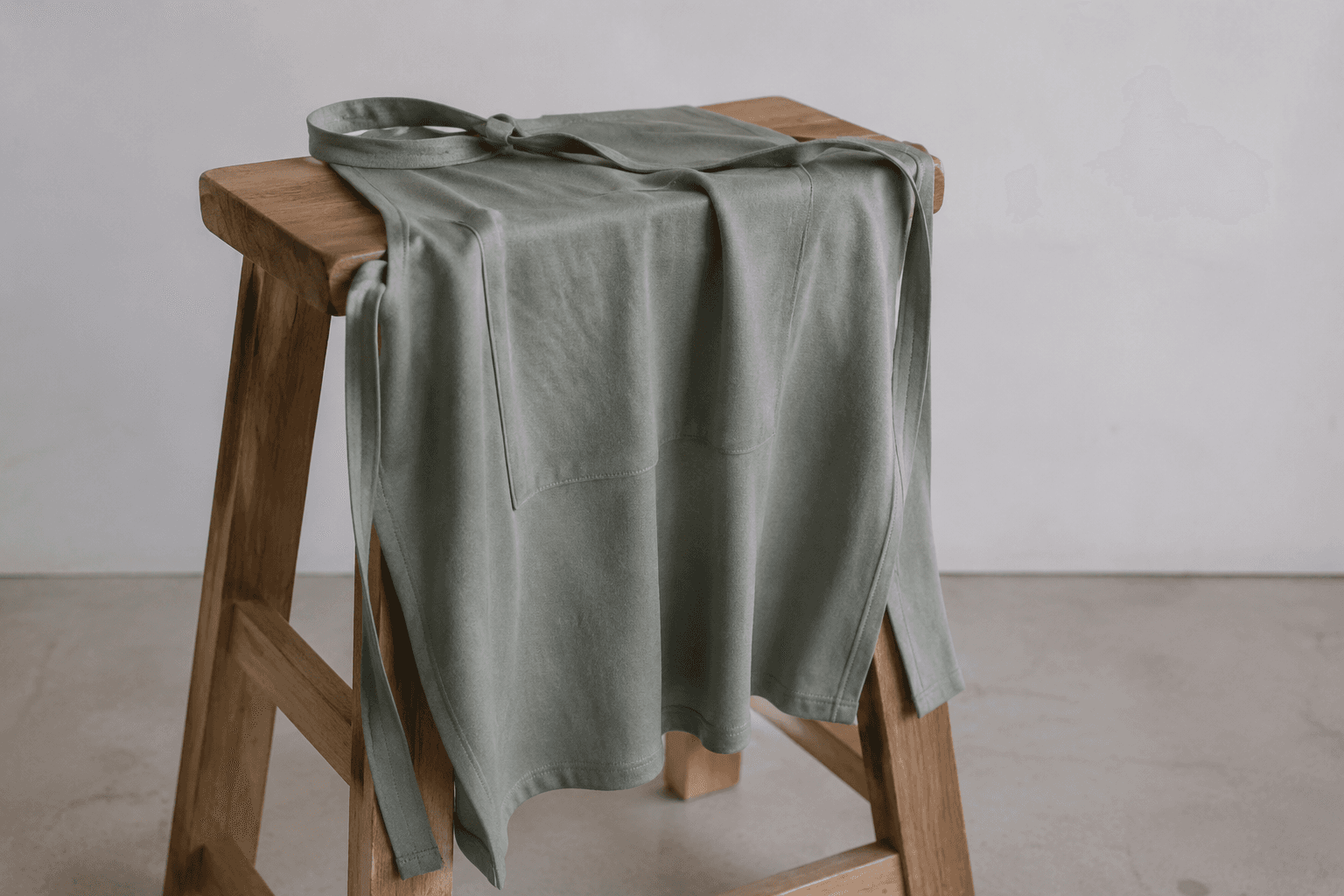
The supplier should also confirm which part of the apron is most visible in use. A cafe apron that is viewed from the front needs stable pocket placement and good drape at the bib. A salon apron may need cleaner resistance to hair, color and product stains. A retail apron may need a softer aesthetic and better logo presentation. The same bamboo viscose apron construction will not solve all three jobs equally well.
- Define the intended use case first: hospitality, retail, beauty, gift or back-of-house support.
- Lock the fiber ratio, GSM and finishing before requesting color development.
- Approve wash-tested pre-production samples, not just flat swatches.
- Confirm packaging and labeling early if the apron is a branded retail item.
- Ask the factory for a production photo sample after first-line inspection if the order is above 1,000 pcs.