Most apron quality problems are not factory mistakes — they are approval mistakes. A field that was never checked at sample stage becomes 2,000 wrong pieces at bulk. The fix is a disciplined sample workflow where each stage approves specific, named things.
This is the four-stage workflow we run at Linwa Apron for every custom program. You do not always need all four — a stocked-fabric reorder can collapse to one — but for a new apron with custom fabric, fit and branding, skipping a stage is where the risk lives.
- Four stages — proto (construction), fit (on-body), PP (golden sample), shipment (bulk verification)
- The PP sample is your golden standard — approve every detail in writing because QC measures bulk against it
- Approve each stage only for what it tests; don't reject a proto for color
- Pay for samples — sample fees are cheap insurance against a five-figure bulk mistake
- Slow, vague feedback is the #1 delay — annotate, give measurements, approve item by item
Stage 1: Prototype (proto) sample
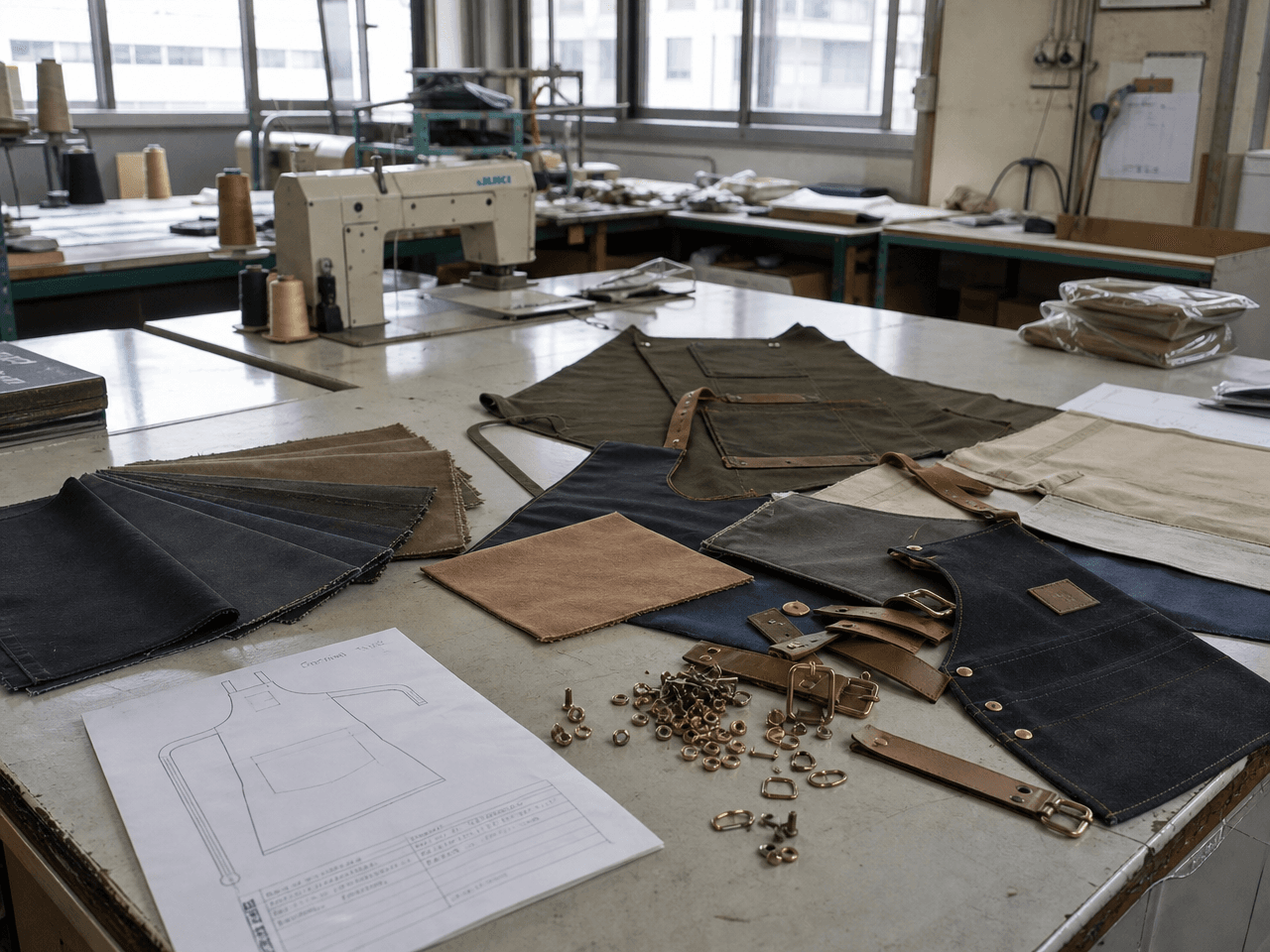
The proto is the factory's first physical interpretation of your tech pack. It is often in substitute fabric and substitute color — its job is to prove the construction and pattern, not the final look. Expect it 7-12 days after tech-pack acceptance.
Approve the proto on shape, pocket placement, strap geometry and overall proportions. Do not reject it for color or fabric hand at this stage — those are not what it is testing.
- Silhouette and length match the drawing
- Pocket count, size and position
- Strap type, attachment points and crossback geometry
- Seam construction and reinforcement points
Stage 2: Fit sample
The fit sample moves to the correct fabric weight and confirms the apron sits and moves correctly on a body. If you have multiple SKUs or sizes, this is where grading is checked. Put the sample on a real person and have them do the actual motions of the job — reach, bend, tie, re-tie.
This is also the stage to lock strap lengths and any adjustability. A neck strap that is two inches too short is invisible on a flat photo and obvious the moment someone wears it.
Stage 3: Pre-production (PP) sample
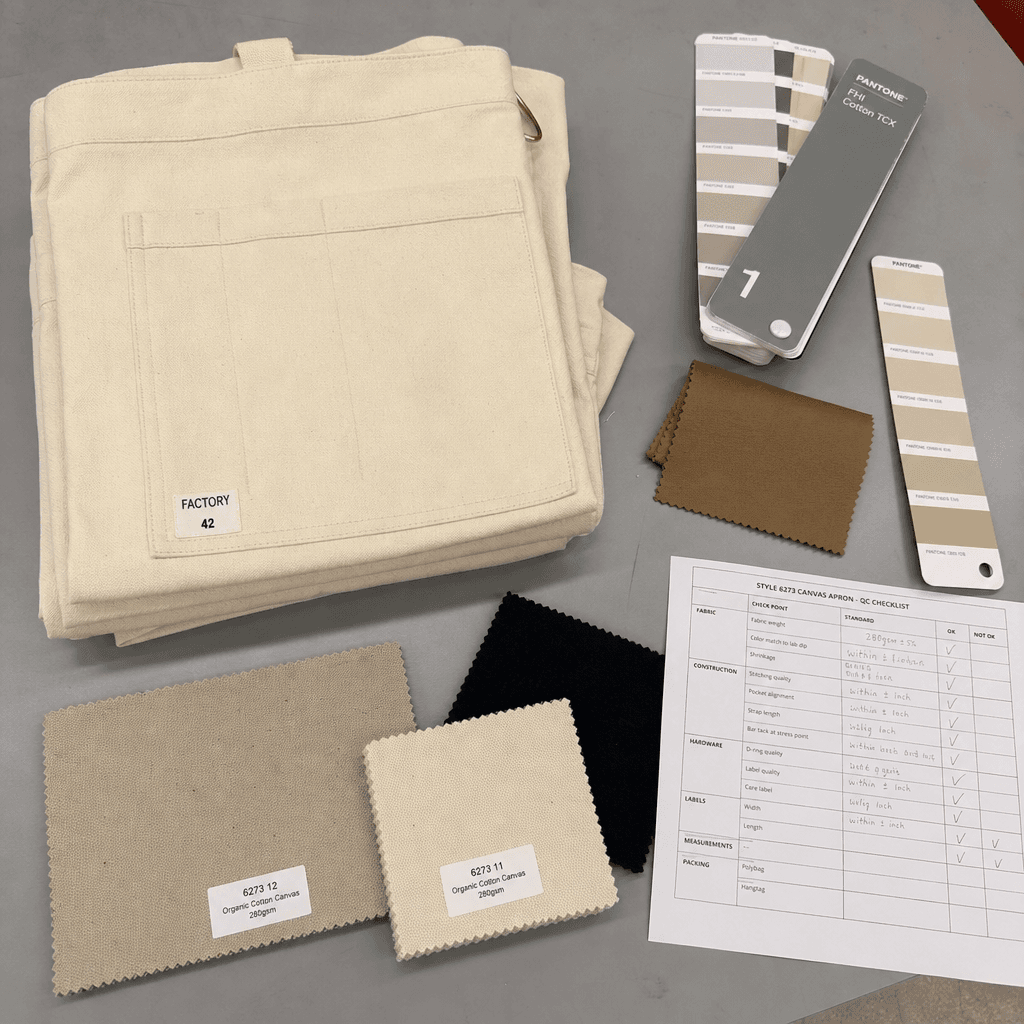
The PP sample is the most important sign-off in the entire process. It is made on the real production line, in the real fabric, the real color, with the real branding and the real hardware. The PP sample is your golden sample — it is the physical standard the bulk will be measured against.
Approve every detail here in writing, because this is the reference the QC inspection will use. Anything wrong in the PP sample that you approve becomes the accepted standard for the whole order.
- Final fabric weight, hand and color (against your approved lab dip)
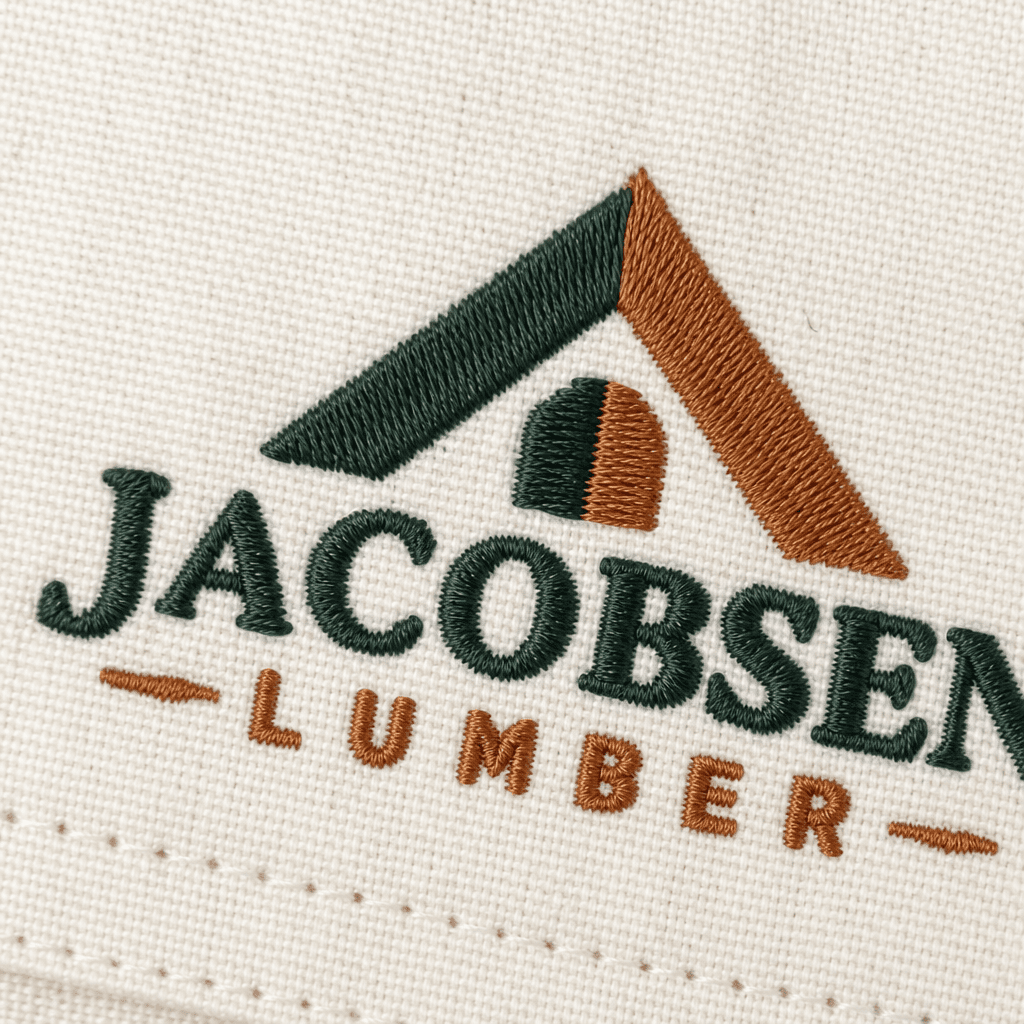
- Branding — embroidery density, print registration, patch placement
- Hardware finish and function (buckles, rivets, sliders)
- Labels — woven brand label, care label, country-of-origin label
- Stitch quality, bar-tacks and thread color
- Packaging mock-up (hangtag, polybag or plastic-free pack-out)
Stage 4: Shipment (top-of-production) sample
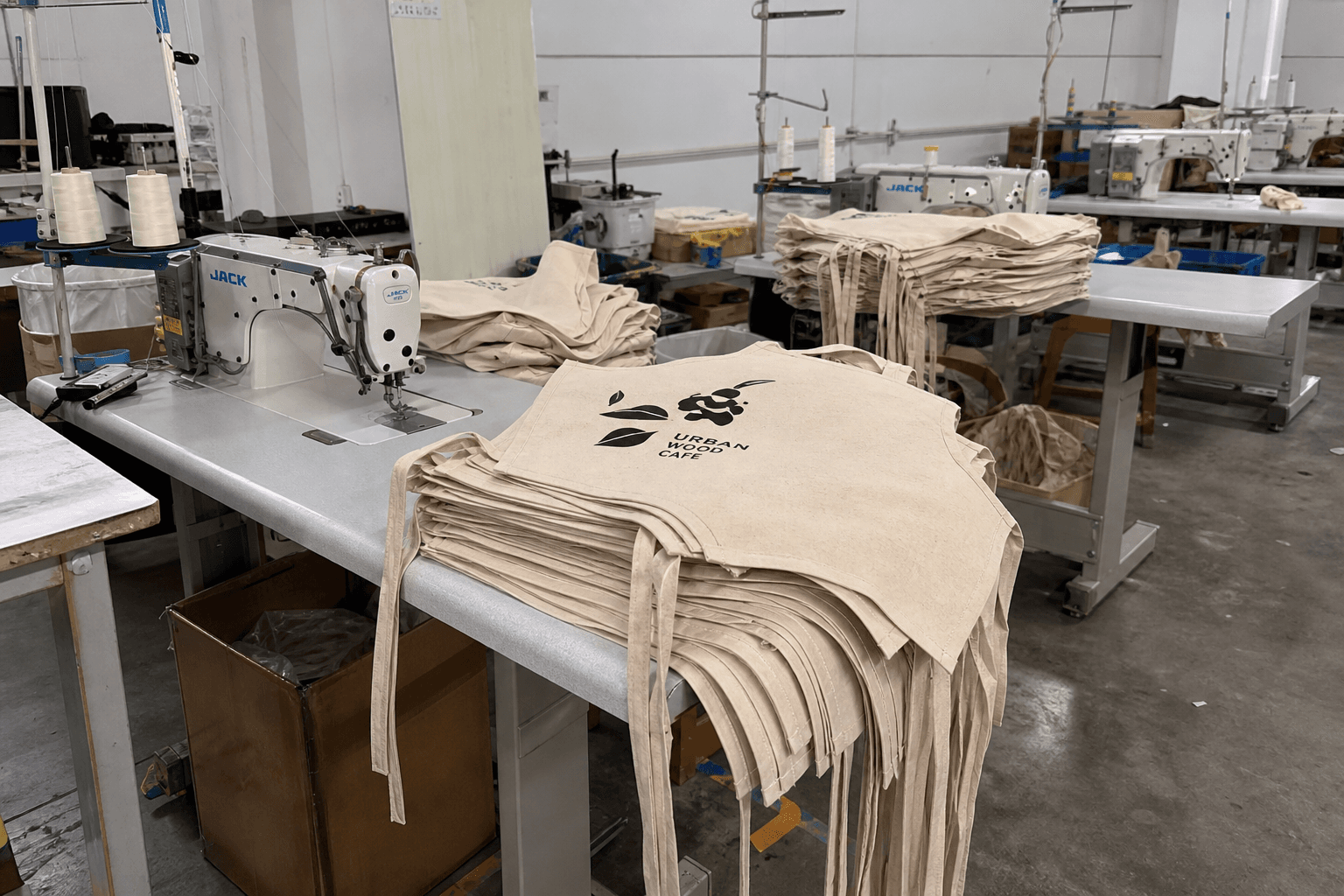
Pulled from the actual finished bulk, the shipment sample confirms that mass production held the PP standard. On tight timelines it can overlap with the pre-shipment inspection. If it deviates from your golden PP sample, that is a claim conversation before the goods leave.
Who pays for samples, and why it is worth it
Samples are not free, and you should not expect them to be — sample-line labor is real and a factory that gives unlimited free samples is usually amortizing that cost back into your unit price. Treat sample fees as cheap insurance against a five-figure bulk mistake.
- Proto / fit samples: typically $30-120 per sample depending on complexity
- PP sample: similar, often credited back against the bulk order
- Courier both ways is on the buyer — budget 3-7 days transit each way
How to keep the workflow fast
The single biggest delay is slow, ambiguous buyer feedback. “Make the pocket a bit bigger” triggers a follow-up question and a lost week. Annotate photos, give measurements, and approve in writing with a clear yes/no per item.
- Send a complete tech pack up front so the proto starts from facts, not guesses
- Approve each stage in writing, item by item, not in prose
- Ship a physical reference apron if you have one — factories pattern from a sample 10x faster than from photos
- Batch your changes per round; drip-fed changes multiply sample rounds