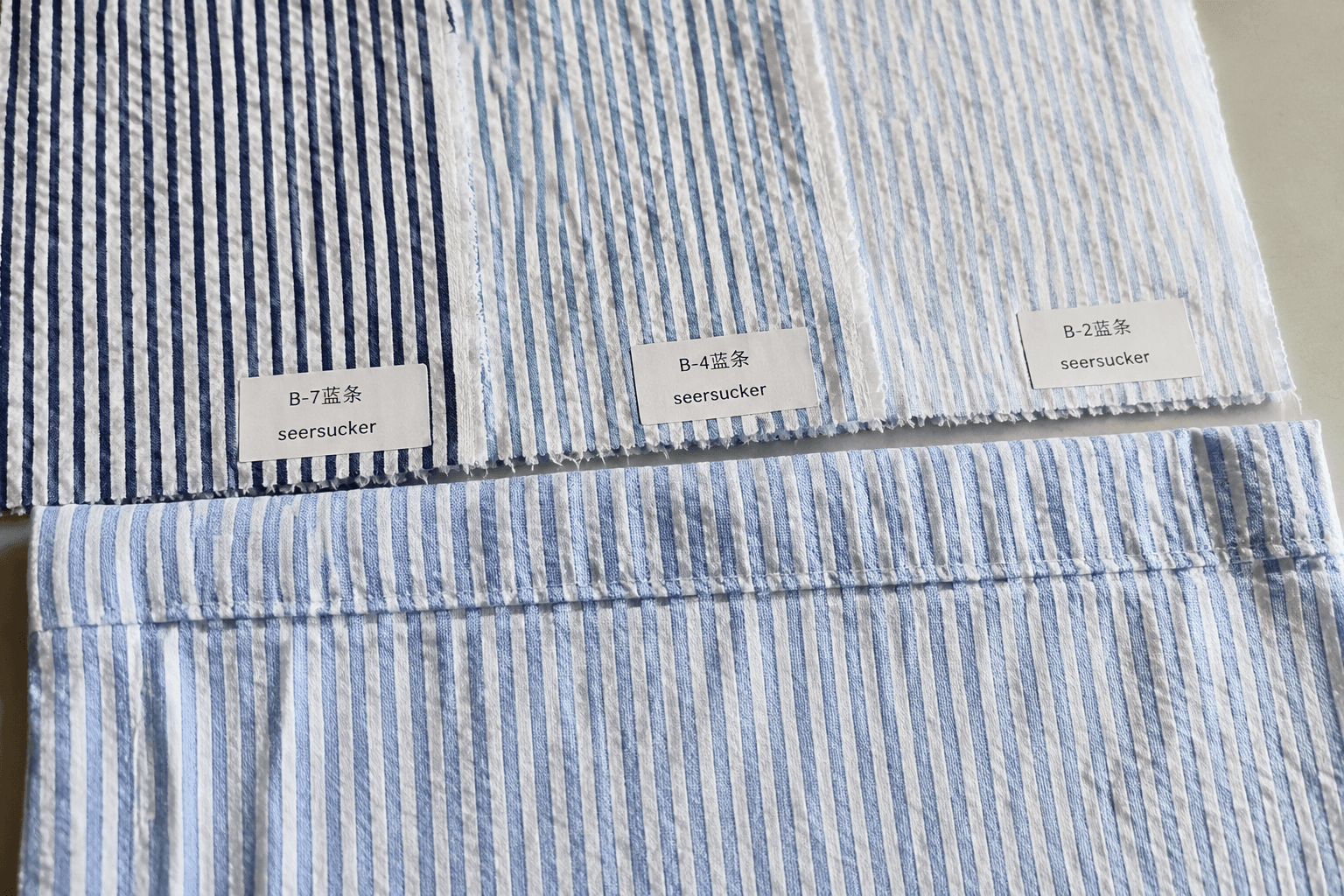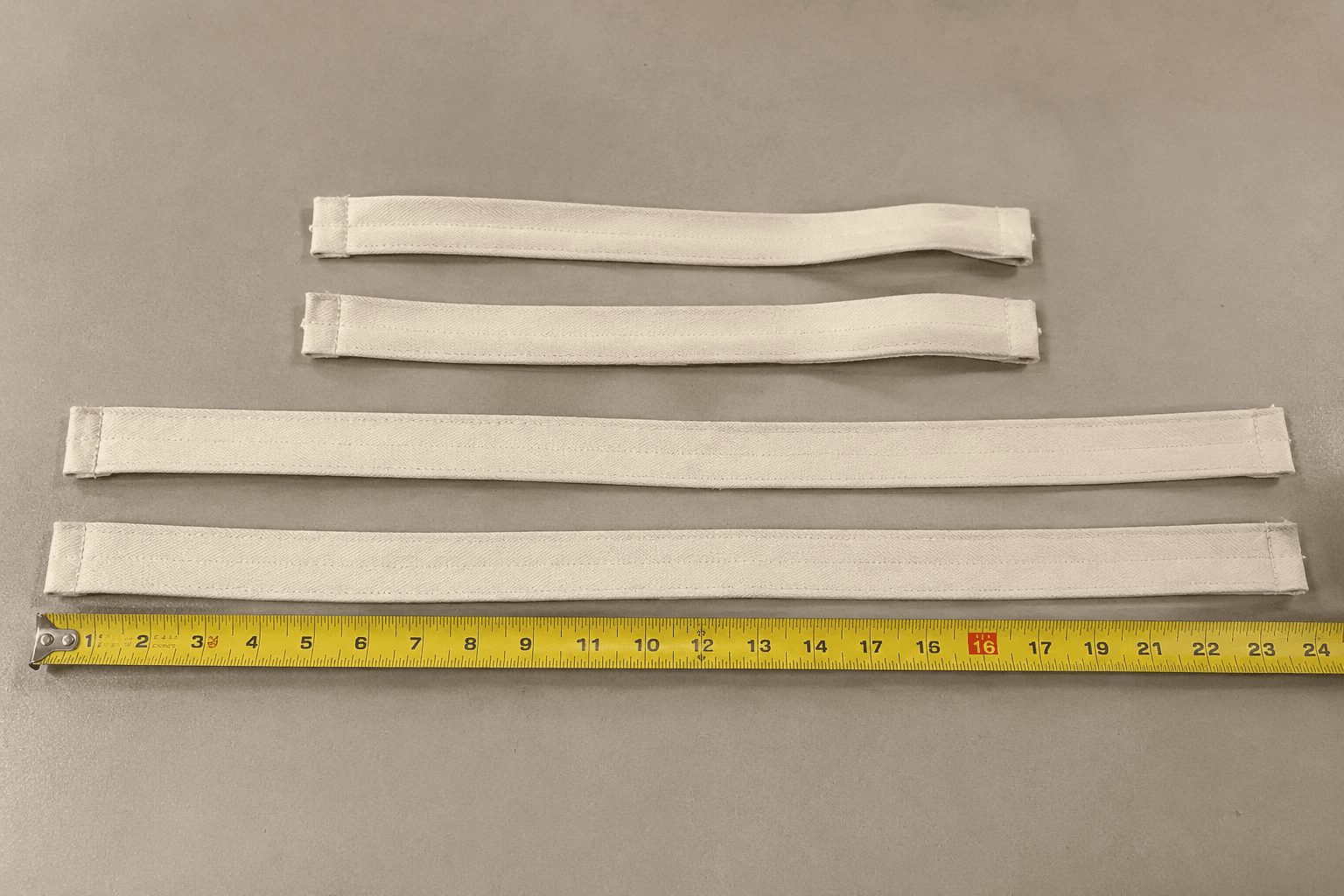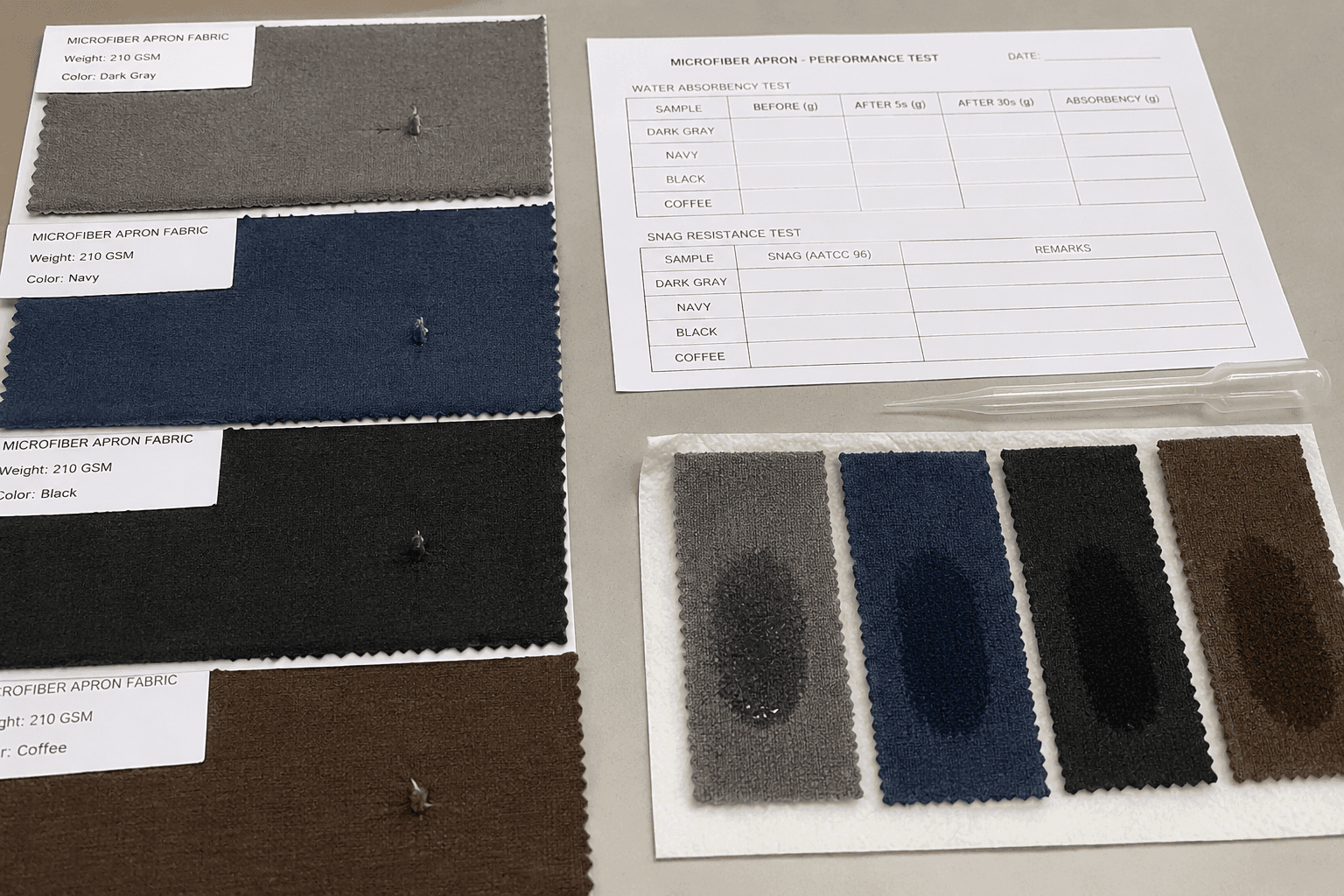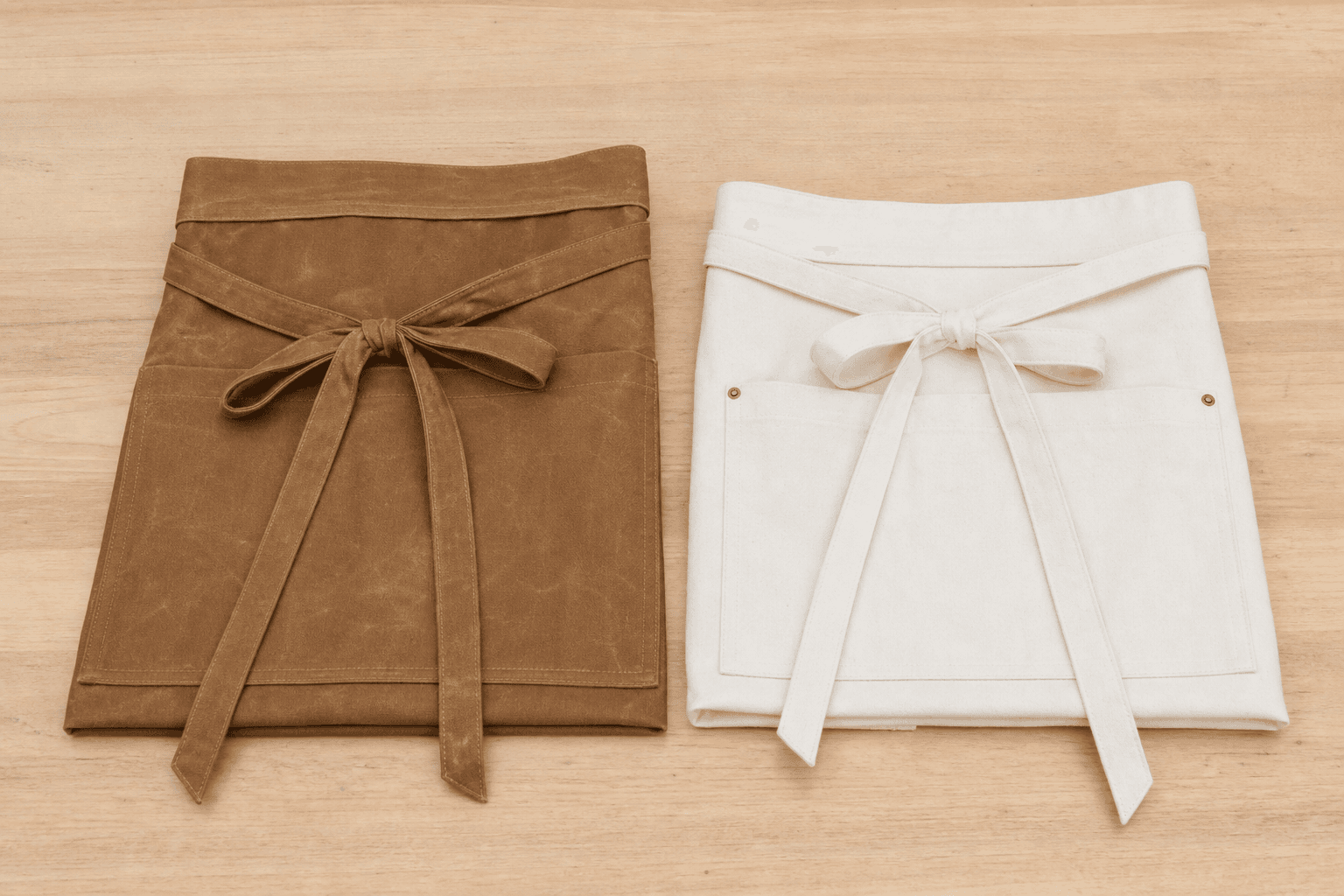
For apron buyers, the choice between a waxed canvas apron and a cotton canvas apron is not only a fabric question. It affects unit cost, production flow, packing method, care labeling, return risk, and how the product will look after 3 months of bar, kitchen, studio or workshop use. Both materials can be excellent, but they solve different problems.
In our Zhejiang apron factory, cotton canvas is the more common base for bulk custom aprons because it is stable in cutting, predictable in sewing, and flexible for dyeing, printing and washing. Waxed canvas is ordered less frequently but has a strong position in premium hospitality, coffee, leather goods, florist, woodworking and outdoor retail programs where a water resistant apron and aged surface character are part of the product brief.
This article compares waxed vs cotton canvas from a sourcing perspective: GSM and ounce ranges, durability, water resistance, sewing requirements, MOQ, price impact, care instructions and lead-time risk. The goal is to help buyers brief the right apron, avoid over-specification, and quote with fewer surprises.
- Waxed canvas is more water resistant, but it is not the right choice for industrial laundry or high-heat drying.
- Cotton canvas is usually 20-45% lower in FOB cost than a comparable waxed canvas apron, depending on weight, wax finish and hardware.
- For barista apron fabric, 10-12 oz cotton canvas is often sufficient unless the brand requires splash resistance and patina.
- Waxed canvas needs looser packing and careful handling because fold marks, pressure shine and surface scratches are part of the material behavior.
- Cotton canvas supports more decoration methods, including pigment print, discharge print, embroidery, enzyme wash and garment dye.
- MOQ and lead time are usually higher for waxed canvas, especially when the buyer requires a custom color or custom wax level.
What sourcing teams mean by a waxed canvas apron
A waxed canvas apron is normally made from cotton canvas or cotton-poly canvas that has been treated with paraffin wax, beeswax blend, microcrystalline wax, or a factory-developed wax emulsion. The wax sits in and on the fabric surface, giving the apron a dry-oily handfeel, darker color depth, visible crease marks and improved resistance to splashes. In apron production, the most common base cloth is 10 oz to 16 oz canvas, equal to roughly 340-540 GSM before finishing. After waxing, the practical handfeel is heavier and stiffer than the same base fabric without wax.
Buyers should not treat waxed canvas as a waterproof fabric. It is better described as water resistant. Light coffee splashes, hand-washing spray, florist moisture and short outdoor exposure will bead better than untreated cotton. However, water can still penetrate through needle holes, seams, pocket corners and prolonged pressure points. If a customer expects full waterproof protection for dishwashing or food processing, TPU-coated polyester, PU-coated Oxford, rubberized fabric or PVC-free coated fabric may be more appropriate than waxed canvas.
For apron programs, waxed canvas is usually chosen for appearance as much as performance. The fabric develops patina: crease lines, lighter high-wear areas and small surface marks. This is attractive for premium workwear-style aprons, but it must be accepted by the brand and communicated to the end user. A sourcing manager should confirm whether the market sees patina as a feature or a defect before approving bulk production.
- Common waxed apron weights are 10 oz, 12 oz, 14 oz and 16 oz canvas, with 12 oz and 14 oz being the most balanced for hospitality.
- A full bib apron in 12 oz waxed canvas typically weighs 350-480 g per piece before hardware, depending on size and strap system.
- Waxed canvas is suitable for barista, florist, barber, leather workshop, light carpentry and premium retail apron categories.
- Waxed canvas is not suitable for hot tumble drying, chlorine bleach, industrial wash tunnels or kitchens requiring daily high-temperature laundering.
Cotton canvas apron basics: weight, weave and finishing
A cotton canvas apron is made from plain-weave or duck-weave cotton fabric, usually in the range of 8 oz to 16 oz. For bulk custom aprons, the most requested weights are 10 oz and 12 oz because they give a good balance of durability, sewing speed, wearer comfort and cost. In GSM terms, buyers normally see 280-320 GSM for lighter canvas, 340-380 GSM for midweight canvas and 400-500 GSM for heavy-duty canvas.
Cotton canvas has two main sourcing advantages. First, it is more forgiving in production. It cuts cleanly, feeds consistently through lockstitch and bartack machines, and accepts topstitching without the needle heating or wax drag that can occur in waxed fabric. Second, it supports many post-treatments. We can pigment dye it, garment wash it, enzyme wash it, print it, embroider it, or combine contrast pockets and straps without major compatibility issues.
For a barista apron fabric, 10-12 oz cotton canvas is often the standard choice. It has enough body to hold a front pocket, pen pocket, towel loop and cross-back strap structure, but it does not feel as rigid as 14-16 oz fabric during a full shift. If the end user works near espresso machines, syrup stations or wet counters, cotton canvas can be treated with a light water-repellent finish, though this will not age like a true waxed canvas apron.
- 8 oz canvas is suitable for promotional aprons, retail gifting and light kitchen use where cost and softness are priorities.
- 10 oz canvas is a strong all-purpose option for cafe, bakery, server and home cooking apron programs.
- 12 oz canvas is commonly used for premium barista aprons and brand uniforms where structure and durability matter.
- 14-16 oz canvas works for workshop aprons, but it increases sewing difficulty, carton weight and wearer heat retention.
Waxed canvas apron durability: abrasion, seams and real service life
Durability should be separated into fabric abrasion, seam strength, color change and care tolerance. A waxed canvas apron performs well in abrasion because the waxed surface reduces friction in some dry-use conditions and the fabric is usually a dense canvas base. For a cafe, florist counter, workshop bench or retail demonstration environment, a 12 oz or 14 oz waxed canvas apron can maintain its structure for 12-24 months of regular use if it is spot cleaned and air dried.
The weak points are rarely the flat body panels. They are the neck strap attachment, waist tie bartacks, pocket corners, split hem, metal rivet holes and any area where waxed fabric is folded into multiple layers. A heavy 14 oz waxed canvas body with leather straps and brass hardware looks premium, but it also creates thick points. Factories must adjust needle size, presser foot pressure, stitch length and bartack density. If the stitch density is too high, the seam can perforate the fabric and reduce tear resistance around the bartack.
Cotton canvas can also be highly durable, especially when the buyer specifies correct construction. For example, a 12 oz cotton canvas apron with 301 lockstitch seams, 8-10 stitches per inch, reinforced pocket corners and 42-stitch bartacks at stress points can outperform a poorly engineered waxed apron. Fabric choice is important, but construction is what prevents returns.
- For waxed canvas, we normally recommend 7-9 stitches per inch to avoid over-perforating dense fabric.
- For heavy aprons, stress points should use bartacks or box-x reinforcement, especially at strap joins and pocket corners.
- Metal rivets improve appearance and perceived strength, but they must be tested for pull-out strength and corrosion resistance.
- Leather straps should be removable if the buyer wants easier spot cleaning and lower risk of color transfer during storage.
- A production sample should be checked after bending, folding, pocket loading and 24-hour hanging to see how the apron behaves in real use.
Water resistance and care: where waxed vs cotton canvas changes the user experience
The clearest functional difference in waxed vs cotton canvas is water behavior. Untreated cotton canvas absorbs water quickly. It can be comfortable and breathable, but spills soak into the yarn. A waxed canvas apron repels light liquid on the surface, so coffee, tea, plant spray or small splashes can often be wiped away before they penetrate. This makes waxed canvas attractive for baristas, florists, grooming shops and some workshop users.
Care is the trade-off. Cotton canvas can usually be machine washed, although shrinkage, fading and print durability depend on the dye and decoration method. A typical preshrunk cotton canvas apron may still shrink 3-5% after home washing unless sanforized or garment washed. Waxed canvas should not be machine washed in normal programs because detergent and agitation remove wax and create uneven appearance. Most waxed canvas care labels say spot clean with cold water, brush off dry dirt, hang dry, and re-wax if needed.
For B2B buyers, the care requirement affects customer satisfaction. If the apron is supplied to restaurants that use a laundry service, waxed canvas is risky. If the apron is sold as a premium retail item or used by independent cafes with staff-managed cleaning, the care story is more acceptable. The product page, hangtag and internal sales sheet should not promise easy washability unless the fabric has been tested under the exact cleaning method.
- Cotton canvas care can include machine wash at 30 degrees C, low tumble or line dry, depending on print and trim.
- Waxed canvas care should normally specify spot clean only, no machine wash, no dry cleaning, no bleach and no tumble dry.
- Water-repellent cotton canvas sits between the two options, but most C0 or fluorine-free finishes lose performance after repeated washing.
- For food service uniforms with centralized laundering, cotton canvas or polyester-cotton canvas is usually safer than waxed canvas.
- For retail aprons with a workwear look, waxed canvas can justify higher price if the buyer accepts visible wear and surface marks.
Cost comparison for a waxed canvas apron and a cotton canvas apron
From a factory quotation perspective, a waxed canvas apron usually costs more for four reasons: the base fabric is heavier, the wax finishing adds cost, sewing speed is slower, and packing requires more care. For a basic full bib apron in 12 oz cotton canvas with cotton webbing straps, a realistic FOB China range may be about USD 3.20-5.80 per piece at 1,000-3,000 pcs, depending on size, pockets, color, decoration and compliance requirements. The same design in 12 oz waxed canvas may be about USD 5.20-8.80 per piece. With leather straps, brass hardware and rivets, it can move into USD 8.50-14.00 per piece.
These are not fixed prices. Cotton market price, dye lot quantity, wax formula, fabric width, cutting efficiency and hardware specification can shift the quote. A large apron with cross-back straps and multiple pockets consumes more fabric than a simple waist apron. A 90 cm x 70 cm bib apron may use roughly 0.75-0.95 m of fabric depending on width and marker efficiency, while a short bistro apron may use far less. For waxed fabric, cutting waste can be slightly higher because visible creases, stains or roll-end pressure marks may need to be avoided.
MOQ is also different. Cotton canvas in black, natural, navy or khaki can often be sourced with lower MOQ because mills and dye houses run these colors frequently. For custom dyed cotton canvas, 500-1,000 pcs per color may be possible depending on fabric weight and schedule. Waxed canvas often needs 1,000-2,000 pcs per color to control fabric and finishing cost. Custom wax level, custom color or small-batch hand-wax effect can increase both MOQ and lead time.
- Typical sample time for cotton canvas aprons is 5-10 days after artwork, fabric and trims are confirmed.
- Typical sample time for waxed canvas aprons is 7-14 days because fabric availability and wax behavior must be checked.
- Bulk production for cotton canvas is commonly 25-35 days after PP sample approval for 1,000-5,000 pcs.
- Bulk production for waxed canvas is commonly 35-50 days after approval, especially when fabric needs custom waxing.
- Decoration, packaging, metal trims, leather straps, wash testing and inspection level can add 3-10 days to either program.
Decoration, branding and compliance limits
Cotton canvas gives buyers more branding flexibility. Screen printing, pigment printing, heat transfer, woven label, embroidery, leather patch and direct embroidery are all common. On 10-12 oz cotton canvas, embroidery is stable if the logo is not too small and the factory uses correct backing. For printed aprons, the buyer should confirm crocking, wash fastness and color fastness, especially on dark dyed fabric. A low-cost print that looks fine on a sales sample can fail after 5-10 washes if ink and curing are not matched to the fabric.
A waxed canvas apron limits decoration choices. Screen printing on waxed surfaces can have adhesion problems. Heat transfer can be affected by wax migration and temperature. Embroidery is possible, but needle marks are permanent and the fabric may show pressure marks around the embroidery frame. Many premium waxed apron programs use woven labels, debossed leather patches, metal nameplates or external patch pockets instead of large direct prints. If a buyer wants a clean corporate logo with sharp Pantone color, cotton canvas is normally easier.
Compliance should also be discussed early. For EU and US retail, buyers may request REACH, CPSIA, Prop 65, azo-free dye, nickel release, formaldehyde and colorfastness tests. Waxed fabric can introduce additional questions about wax composition, odor, oil transfer and packaging staining. If leather straps are included, leather testing and color migration become part of the risk. It is better to define the test package before sampling, because material changes after sample approval can restart the approval cycle.
How to brief a waxed canvas apron project to a China factory
A clear tech pack reduces quotation gaps. For a waxed canvas apron, the factory needs more than a photo reference. We need finished size, fabric weight, wax type or desired handfeel, color standard, strap material, hardware finish, pocket layout, decoration method, care label language, packing method and inspection requirements. If the buyer only says “heavy waxed canvas apron,” one supplier may quote 10 oz lightly waxed cotton and another may quote 16 oz heavily waxed canvas with leather straps. The price difference can be more than USD 4.00 per piece.
For cotton canvas, the brief should still be precise, but the tolerance window is wider. Buyers should specify whether the apron must be preshrunk, garment washed, enzyme washed, soft handfeel, rigid handfeel, organic cotton, recycled cotton blend or standard BCI cotton. They should also state the expected use: cafe uniform, retail kitchen apron, workshop apron, promotional apron or chef apron. The fabric and construction should follow the use case, not only the target price.
Before bulk production, we recommend one fit sample and one pre-production sample in actual fabric and trims. For waxed canvas, the PP sample should be folded, packed and left for at least 24 hours to review crease behavior and possible transfer. For cotton canvas, the PP sample should be washed if the care label allows washing. The buyer should approve both appearance and after-care performance, not just the flat sample photo.
- Provide target FOB price, target retail price and annual volume so the factory can choose a realistic fabric route.
- Confirm whether patina, crease marks and color variation are acceptable for waxed canvas before sampling starts.
- State the exact care expectation because machine washable and waxed canvas are usually conflicting requirements.
- Send logo artwork in vector format and define Pantone or TCX color standards for fabric, print and trims.
- Approve carton packing direction for waxed aprons if visible fold lines are a concern in retail presentation.
Decision guide: choosing waxed canvas apron or cotton canvas apron
Choose a waxed canvas apron when the product needs a premium workwear look, light water resistance and visible aging. It fits independent cafe uniforms, barista retail merchandise, florist aprons, barber aprons, maker workshops and outdoor lifestyle brands. The buyer should accept higher cost, longer lead time, spot-clean care and more natural variation from piece to piece. In these categories, the surface character can be part of the value.
Choose a cotton canvas apron when the program needs stable color, scalable production, easy decoration and washability. It is the better default for restaurant chains, cooking schools, promotional programs, private-label kitchen textiles and brand uniforms that require frequent cleaning. Cotton canvas also gives sourcing teams more room to hit price points under USD 5.00 FOB while keeping acceptable strength and presentation.
For many buyers, the best solution is not an extreme. A 12 oz cotton canvas apron with reinforced stitching, darker color, cross-back straps and a water-repellent finish may meet the actual service requirement without the care limitations of wax. Alternatively, a waxed canvas pocket panel on a cotton canvas body can create a premium touch while controlling cost and stiffness. The right specification should come from the end-user environment, not only the appearance of a reference photo.
- Use waxed canvas when the buyer values water resistance, patina and premium positioning more than machine washability.
- Use cotton canvas when the buyer values lower cost, easier care, print quality and color consistency.
- Use 10-12 oz canvas for most cafe and barista programs; move to 14 oz only when extra structure is needed.
- Use removable leather straps or cotton webbing straps to reduce care and color-transfer problems.
- Request fabric swatches before sample making because photos rarely show wax level, stiffness or true surface behavior.